

From new equipment and tire inventory to garage construction and business expansion, Auto Shop Lend helps automotive businesses find financing options to keep their shops running and growing.

Automotive property financing, repair shop technology financing, and vehicle repair shop financing can help qualified automotive business owners explore funding for eligible real estate, technology upgrades, equipment, and other business needs. Fleet repair facility financing and tire equipment loans can provide additional options for eligible facility improvements, service equipment, tire machines, and expansion projects.
Financing options designed around the needs of automotive repair and service businesses.
Get the funding you need to keep the parts, tires, and products your customers need in stock.
Upgrade the tools and equipment that help your technicians work efficiently and serve more customers.
Take your shop to the next level with financing options for improvements, expansion, and growth.
Whether you’re looking for equipment, inventory, construction, repairs, or expansion financing, start by telling us about your business and what you’re looking to accomplish.
Your shop is different from a typical business. Your financing needs can involve equipment, inventory, facilities, vehicles, tools, and expansion.
Whether you need inventory financing, construction financing, or funding for your next expansion, explore options for the needs that matter to your business.
When equipment needs replacing or inventory needs replenishing, access to the right financing can help you keep your business operating.
Opening another location? Expanding your garage? Adding services? Financing can help you turn your next business opportunity into a plan.
Whether you’re building a new garage, adding equipment, stocking up on inventory, or expanding your automotive business, Auto Shop Lend can help you explore financing options for your next move.
Affiliate Disclosure: We are an affiliate marketing website and may receive compensation from lending partners. We are not a lender, do not make credit decisions, and do not guarantee approval. Loan terms and rates are determined by individual lenders.
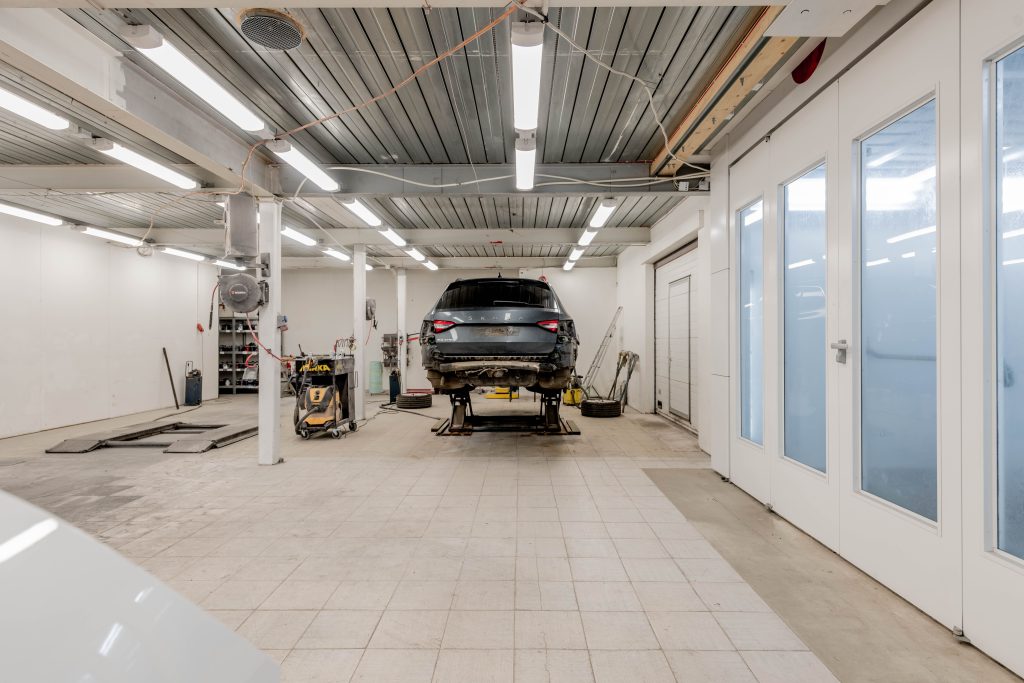
From everyday business needs to major expansion projects, explore financing options designed around automotive businesses and the work they do every day.
Auto Shop Lend focuses on financing for automotive businesses. The site helps shop owners explore financing options for business needs such as equipment, inventory, construction, expansion, and other shop-related expenses.
Depending on the financing option, funds may be used for business needs such as equipment, inventory, facility improvements, construction, expansion, and other qualified expenses.
Auto shops often need specialized equipment to operate and grow. Auto Shop Lend helps businesses explore financing options for equipment and other business needs.
Tire inventory can represent a significant expense for tire dealers and automotive service businesses. Inventory financing can help eligible businesses explore funding for stocking the products they need.
Garage construction financing can help eligible automotive businesses explore funding for building, expanding, or improving their facilities.
Yes. Auto repair shop expansion may require additional space, equipment, inventory, or facility improvements. Auto Shop Lend helps businesses explore financing options for these types of growth projects.
Transmission shops have specialized equipment, tools, inventory, and operating needs. Auto Shop Lend provides financing-focused resources for automotive businesses looking for funding options.
Last Updated: August 27, 2026
Welcome to AutoShopLend.com. These Terms and Conditions (“Terms”) govern your access to and use of the AutoShopLend.com website, including its content, forms, tools, links, information, and related services.
By accessing or using AutoShopLend.com, you agree to these Terms. If you do not agree with these Terms, please do not use the website.
AutoShopLend.com provides informational, advertising, affiliate marketing, and financing-related resources for automotive businesses, including auto repair shops, mechanic shops, tire businesses, collision repair facilities, body shops, fleet repair operations, and related businesses.
AutoShopLend.com is not a lender, bank, credit union, or financial institution.
AutoShopLend.com does not directly make loans, extend credit, make credit decisions, or guarantee financing approval.
The website may connect visitors with independent third-party lenders, brokers, financing marketplaces, financial service companies, or other providers.
Any financing ultimately offered to you is provided by the applicable third party and is subject to that provider’s underwriting requirements, terms, conditions, disclosures, and approval process.
Using AutoShopLend.com does not guarantee that you will receive a financing offer or be approved for financing.
We make no guarantee regarding:
Financing terms vary according to the provider, applicant, business, credit profile, financial condition, requested amount, intended use of funds, and other factors considered by the provider.
You are responsible for reviewing and understanding all terms before accepting any financing product.
Information published on AutoShopLend.com is provided for general informational and educational purposes.
Nothing on the website should be interpreted as individualized financial, investment, legal, accounting, or tax advice.
Articles, guides, examples, calculators, charts, illustrations, and other content may discuss financing concepts, but they should not be considered recommendations that a particular financing product is appropriate for you.
You should consult appropriately qualified professionals regarding significant business, financial, legal, accounting, or tax decisions.
AutoShopLend.com may refer or connect users to independent third-party providers.
These companies are separate businesses and are responsible for their own products, services, underwriting, disclosures, privacy practices, communications, and agreements.
AutoShopLend.com does not control a third party’s approval process or determine the terms it may offer.
If you choose to proceed with a third-party provider, your relationship with that company is governed by the agreements, disclosures, privacy policies, and terms established between you and that provider.
You should carefully review those documents before entering into any transaction.
AutoShopLend.com participates in affiliate marketing and advertising relationships.
We may receive compensation from third parties when visitors click certain links, submit information, request a quote, complete a financing request, apply for a product, become a customer, or complete another qualifying action.
Compensation may influence which companies, products, advertisements, or links appear on the website and where they are displayed.
Compensation does not guarantee that a particular financing provider or product is appropriate for your business.
For additional information, please review our Advertising Disclosure.
AutoShopLend.com may provide forms or links that allow users to request information about business financing.
A form may be operated by AutoShopLend.com or by an independent third-party provider.
When you submit a request, information may be transmitted to or collected directly by financing companies, lenders, brokers, marketplaces, lead-generation partners, or other businesses that may respond to your request.
Submitting information does not constitute an approval or financing commitment.
Before submitting sensitive personal or financial information, review the disclosures, consent language, privacy policy, and terms associated with the applicable form or provider.
We attempt to provide useful information, but financing programs, lending requirements, tax laws, government programs, interest-rate environments, and other financial information can change.
We do not warrant that all website information will always be complete, accurate, current, or suitable for a particular purpose.
Government financing programs and tax information should be verified directly with the appropriate government agency or qualified professional before you rely upon them.
Similarly, financing terms should be verified directly with the financing provider.
If website content conflicts with the official terms supplied by a lender, government agency, or other provider, you should rely on the official source.
AutoShopLend.com may publish hypothetical financing examples, budgets, charts, graphs, payment examples, or business scenarios.
Unless specifically identified as verified factual data from a cited source, these examples are provided solely to illustrate concepts.
Hypothetical examples are not:
Actual costs, financing terms, revenues, expenses, and business results can differ substantially.
By using AutoShopLend.com, you agree to provide accurate information when submitting forms and to use the website only for lawful purposes.
You agree not to intentionally provide false information, impersonate another person or business, attempt unauthorized access to the website, interfere with website operation, introduce malicious software, scrape the website in violation of applicable law, misuse forms, or use the website to engage in fraudulent or unlawful conduct.
You are responsible for determining whether any financing product, service, or business decision is appropriate for your circumstances.
AutoShopLend.com is intended primarily for adults and businesses seeking information concerning commercial financing and automotive business services.
By submitting a financing request or other business inquiry, you represent that you have the legal capacity and appropriate authority to provide the submitted information and make the request.
The website is not intended for children.
AutoShopLend.com may contain links to websites operated by lenders, financing companies, government agencies, advertisers, affiliates, equipment companies, and other third parties.
These websites are independently operated.
AutoShopLend.com is not responsible for the availability, security, privacy practices, accuracy, content, products, services, representations, or conduct of independently operated third-party websites.
A link does not necessarily constitute an endorsement of every statement, product, or service offered by the third party.
You access external websites at your own discretion and should review their terms and privacy policies.
Unless otherwise indicated, website content created for AutoShopLend.com, including text, design elements, branding, graphics, page layouts, and other original materials, may be protected by applicable copyright, trademark, and intellectual-property laws.
You may view website content for personal or legitimate business informational purposes.
You may not reproduce, republish, distribute, sell, modify, or commercially exploit protected website content without appropriate permission, except where otherwise permitted by law.
Third-party names, trademarks, logos, images, and other intellectual property belong to their respective owners.
Your use of AutoShopLend.com is also subject to our Privacy Policy.
The Privacy Policy describes how information may be collected, used, disclosed, and otherwise handled through the website.
Third-party financing companies and other providers maintain their own privacy practices. You should review the applicable third party’s privacy policy before submitting personal or financial information.
When you contact us electronically or submit information through the website, you consent to receiving communications necessary to respond to your inquiry, subject to applicable law and the permissions provided at the time of submission.
If you separately consent to marketing communications from a third party, those communications are governed by the consent language and policies applicable to that provider.
Submitting a financing inquiry should not be interpreted as waiving rights provided by applicable communications or consumer-protection laws.
Your use of AutoShopLend.com does not create an attorney-client, accountant-client, financial adviser-client, fiduciary, lender-borrower, or similar professional relationship between you and AutoShopLend.com.
Likewise, simply visiting the website or reading its content does not create a financing relationship with any third-party company.
A relationship with a financing provider is established only according to that provider’s applicable processes and agreements.
To the extent permitted by applicable law, AutoShopLend.com and its content are provided on an “as is” and “as available” basis.
We do not warrant that the website will always be available, uninterrupted, error-free, secure, or free from harmful components.
We also do not warrant that information on the website will meet every user’s requirements or produce a particular financial or business outcome.
Some jurisdictions do not permit certain warranty exclusions, so portions of this section may not apply to you.
To the fullest extent permitted by applicable law, AutoShopLend.com and its owners, operators, affiliates, representatives, and service providers will not be liable for indirect, incidental, special, consequential, or punitive damages arising from or related to your use of the website or reliance on its content.
This includes, where permitted by law, losses arising from financing decisions, third-party services, business interruptions, lost profits, lost opportunities, data loss, or reliance on website information.
Nothing in these Terms excludes liability that cannot legally be excluded or limited.
To the extent permitted by applicable law, you agree to indemnify and hold harmless AutoShopLend.com and its owners, operators, affiliates, representatives, and service providers from claims, damages, liabilities, costs, and expenses arising from your unlawful misuse of the website, your violation of these Terms, or your infringement of another party’s rights.
This provision applies only to the extent permitted by applicable law.
We may modify, suspend, discontinue, restrict, or change any part of AutoShopLend.com at any time.
We do not guarantee that every page, financing connection, provider, article, tool, or website feature will remain continuously available.
We may also update or remove outdated content without notice.
We may revise these Terms and Conditions periodically.
Changes may be made to reflect modifications to our website, business practices, affiliate relationships, services, technologies, or applicable legal requirements.
When these Terms are materially updated, the “Last Updated” date at the top of this page should be changed accordingly.
Continued use of the website following an update constitutes acceptance of the revised Terms to the extent permitted by law.
These Terms are intended to be governed by applicable laws of the United States and, where appropriate and legally enforceable, the laws of the State of Ohio, without regard to conflict-of-law principles.
Nothing in these Terms is intended to eliminate rights or protections that cannot legally be waived under applicable federal or state law.
If any provision of these Terms is determined to be invalid, unlawful, or unenforceable, the remaining provisions will continue in effect to the extent permitted by law.
These Terms, together with the Privacy Policy, Advertising Disclosure, and other applicable website policies and disclosures, constitute the terms governing your use of AutoShopLend.com.
Separate terms presented by a third-party financing provider govern your relationship with that provider.
Questions regarding these Terms and Conditions may be directed to:
AutoShopLend.com
935 Obenour Ct.
Monroe, Ohio 45050
Phone: (513) 596-6297
Website Owner Note: This is a general Terms and Conditions template and not legal advice. Because AutoShopLend.com operates in the financing lead-generation/affiliate space, I recommend having an attorney review the final Terms together with your Privacy Policy, Advertising Disclosure, financing-request forms, TCPA/text-message consent language, and the agreements you have with lenders or lead partners. Those documents should accurately reflect what your particular website and partners actually do.
Operating or expanding an automotive service business can require significant capital. Commercial real estate, service bays, vehicle lifts, diagnostic systems, tire machines, alignment equipment, shop-management software, parts inventory, and facility improvements can quickly turn a growth project into a substantial investment.
The appropriate financing structure depends on what a business intends to purchase. Commercial real estate has a much longer useful life than diagnostic software, while tire machinery creates a different financial requirement from payroll or parts inventory. Separating these costs can help owners determine how much capital they actually need and which financing structures are worth investigating.
For owners researching financing through AutoShopLend.com, the following sections examine property purchases, technology upgrades, fleet operations, equipment investments, working capital, and long-term expansion planning.
Automotive property financing can be relevant when a business wants to purchase, construct, renovate, or expand a facility rather than continuing to lease. Property requirements can vary considerably between a small mechanic garage, collision center, tire dealer, and heavy-duty service operation.
Repair shop technology financing addresses a different part of the investment. Modern facilities may rely on diagnostic scanners, shop-management platforms, alignment technology, ADAS calibration systems, digital inspections, computers, and other technology.
Broader vehicle repair shop financing may potentially combine several qualifying needs, depending on the provider. An expansion could include renovations, machinery, technology, inventory, and operating capital rather than a single purchase.
For businesses servicing commercial vehicles, fleet repair facility financing might support a project involving larger service bays, heavy-duty lifts, specialty diagnostic systems, compressors, parts storage, or facility improvements.
Businesses researching tire equipment loans may be primarily interested in tire changers, wheel balancers, alignment systems, lifts, compressors, and related equipment.
The SBA’s 7(a) program currently permits eligible financing for real estate and buildings, short- and long-term working capital, machinery and equipment, supplies, and qualifying ownership changes. The maximum 7(a) amount is $5 million.
Owners considering Automotive property financing should compare purchasing a building with continuing to lease. Ownership may provide greater control over renovations and future facility planning, but it also introduces property maintenance, taxes, insurance, and a substantial long-term financial commitment.
Repair shop technology financing should normally be evaluated separately because technology can have a considerably shorter useful life than commercial real estate. Diagnostic equipment and software may need upgrades long before a building requires replacement.
With vehicle repair shop financing, owners can develop a complete project budget showing property, construction, equipment, technology, inventory, and operating requirements as separate categories.
A business investigating fleet repair facility financing should pay particular attention to property specifications. Commercial trucks and fleet vehicles may require greater ceiling heights, larger doors, additional maneuvering space, reinforced floors, outdoor parking, and specialized service areas.
Likewise, tire equipment loans should be based on the actual machinery required by the operation rather than simply purchasing the largest available equipment package.
SBA’s 504 program is another option qualifying businesses can investigate for major fixed assets. SBA describes it as long-term, fixed-rate financing for assets that promote business growth, with a maximum loan amount of $5.5 million.
Automotive property financing may provide the physical location for a growing company, but the building alone does not create an efficient modern service operation. Technology has become an increasingly important part of automotive repair.
Businesses exploring repair shop technology financing might be considering diagnostic scanners, alignment systems, ADAS calibration technology, digital vehicle inspections, shop-management platforms, customer communication systems, computers, or other qualifying assets.
The right vehicle repair shop financing strategy should account for the useful life of these investments. Durable machinery and rapidly evolving electronic technology should not automatically be treated identically.
For a commercial operation, fleet repair facility financing might include technology capable of supporting multiple vehicle types, fleet maintenance scheduling, diagnostic work, inventory management, and service documentation.
A tire operation using tire equipment loans may also need technology beyond the tire machines themselves. Alignment systems, computerized wheel balancers, TPMS equipment, diagnostic tools, and management software can contribute to the complete project.
SBA currently permits eligible 7(a) proceeds to be used for purchasing and installing machinery and equipment, including certain AI-related expenses.
Owners should obtain current vendor quotations and understand ongoing subscription, calibration, maintenance, and upgrade costs before committing to technology.
The location selected through Automotive property financing can be especially important for fleet operations. A facility serving trucks, vans, delivery vehicles, municipal vehicles, or commercial fleets may need substantially more space than a passenger-car repair garage.
Repair shop technology financing can potentially support the diagnostic and management systems necessary for handling higher vehicle volumes, subject to the provider’s requirements and permitted uses.
General vehicle repair shop financing could also be relevant when an existing mechanic business wants to add fleet maintenance as a new service category.
More specialized fleet repair facility financing may be considered when the project involves heavy-duty lifts, larger compressors, commercial diagnostic systems, additional service bays, parts inventory, or facility improvements.
Depending on the services offered, tire equipment loans could help qualified businesses acquire machinery necessary for commercial tire service.
Owners should carefully analyze customer concentration before making a major fleet-related investment. A company that expects one commercial customer to generate a large percentage of its future revenue has a different risk profile from an operation serving many independent accounts.
Long-term contracts and customer relationships can be valuable, but projections should remain conservative when determining how much debt a business can reasonably support.
Before seeking Automotive property financing, owners should calculate the complete real-estate requirement. Purchase price or construction cost is only part of a project that could also require renovations, parking improvements, utilities, signage, security, and environmental or zoning-related work.
When repair shop technology financing is part of the project, technology expenses should have their own budget category.
Similarly, vehicle repair shop financing should be based on actual quotations whenever possible rather than rough estimates.
Businesses considering fleet repair facility financing should include specialized equipment, construction requirements, additional technicians, parts inventory, and an operating reserve.
Companies evaluating tire equipment loans should budget for installation, electrical work, compressed-air connections, accessories, training, freight, and other costs associated with placing equipment into service.
The following graph is hypothetical and provided only as a budgeting example. It is not an industry average, financing quote, approval estimate, or recommendation.
| Example investment | Amount | Share |
|---|---|---|
| Building/property improvements | $350,000 | 35% |
| Shop machinery | $200,000 | 20% |
| Operating reserve | $150,000 | 15% |
| Diagnostic/technology systems | $100,000 | 10% |
| Parts and inventory | $75,000 | 7.5% |
| Tire/alignment machinery | $50,000 | 5% |
| Software/office systems | $40,000 | 4% |
| Marketing/signage | $35,000 | 3.5% |
| Total | $1,000,000 | 100% |
Property/improvements    ███████████████████████████████████ 35%
Shop machinery           ████████████████████                20%
Operating reserve        ███████████████                     15%
Diagnostic technology    ██████████                          10%
Parts/inventory          ███████▌                            7.5%
Tire/alignment machinery █████                               5%
Software/systems         ████                                4%
Marketing/signage        ███▌                                3.5%
Real businesses should replace these illustrative numbers with property information, contractor estimates, equipment quotations, payroll projections, and company-specific financial data.
Qualified companies researching Automotive property financing may want to compare conventional commercial mortgages with SBA-backed programs. Both 7(a) and 504 can potentially address qualifying real-estate projects, but their structures and permitted uses differ.
For repair shop technology financing, 7(a) can be particularly relevant to investigate because SBA permits eligible proceeds for machinery and equipment as well as several other business purposes.
Owners considering vehicle repair shop financing can also examine 7(a) when the project combines multiple qualifying purposes. SBA currently lists real estate, operating capital, machinery, equipment, furniture, fixtures, supplies, and ownership changes among permitted uses.
Large fixed-asset projects involving fleet repair facility financing may potentially fit 504 when the applicable eligibility and project requirements are satisfied. The program can support qualifying land, buildings, construction, renovations, and long-term machinery. It cannot be used for working capital or inventory.
Smaller tire equipment loans needs might also warrant investigating SBA Microloans. The Microloan program currently provides up to $50,000 and permits qualifying proceeds for machinery, equipment, inventory, supplies, furniture, fixtures, and operating capital.
A company may successfully obtain Automotive property financing and still encounter financial pressure if the project consumes too much available cash.
Similarly, repair shop technology financing addresses technology investments but does not eliminate the need to pay technicians, utilities, insurance, suppliers, and other everyday expenses.
Owners evaluating vehicle repair shop financing should therefore determine how much liquidity the company should retain after completing the proposed investment.
Businesses using fleet repair facility financing may have particularly significant operating requirements because commercial repair jobs can involve expensive components, specialized technicians, and substantial inventory.
Even businesses obtaining tire equipment loans should consider how much cash is necessary to stock tires, employ technicians, advertise services, and maintain normal operations.
SBA’s 7(a) program permits qualifying short- and long-term working capital. Its Working Capital Pilot provides eligible businesses with lines of credit up to $5 million, with SBA identifying timely financial statements and reporting among important considerations for businesses using the program.
The lesson is straightforward: owning a valuable building and modern machinery does not eliminate the need for sufficient cash flow.
Offers for Automotive property financing should be evaluated based on the entire obligation. Owners should consider interest, fees, repayment period, down-payment or equity requirements, collateral, guarantees where applicable, and total expected repayment.
The same applies to repair shop technology financing. A lower payment produced by a longer term does not necessarily mean the financing has a lower overall cost.
When evaluating vehicle repair shop financing, owners should compare offers using consistent assumptions. Payment frequency and term can make seemingly similar products materially different.
For fleet repair facility financing, management should stress-test projected repayment under several revenue scenarios. Expansion may increase capacity, but additional service bays do not automatically produce additional customers.
Companies reviewing tire equipment loans should compare the expected productive life of the machinery with the proposed repayment period.
SBA’s current program comparison says 7(a) rates are negotiated between the borrower and lender subject to SBA maximums. It generally lists maturities of 10 years or less, except for qualifying real estate or equipment with a useful life exceeding 10 years; real-estate financing can extend to 25 years.
Owners should understand every material provision of an agreement before accepting financing.
Companies seeking Automotive property financing can prepare property information, financial statements, tax documents, bank records, existing debt schedules, and renovation or construction estimates as applicable.
Businesses seeking repair shop technology financing can add vendor quotations, equipment descriptions, implementation expenses, and explanations of how the proposed investment supports operations.
Applications for vehicle repair shop financing may also benefit from clearly separating requested proceeds into categories rather than presenting one unexplained total.
For fleet repair facility financing, an established business can use historical information to demonstrate revenue, customer volume, expenses, cash flow, and the financial performance of existing operations.
Businesses applying for tire equipment loans can prepare equipment quotations that identify the specific tire changers, balancers, alignment systems, lifts, compressors, or other machinery being purchased.
For SBA programs, applicants work with participating lenders or intermediaries rather than receiving ordinary business financing directly from SBA. The agency’s program comparison currently lists 7(a) at up to $5 million, 504 at up to $5.5 million, and Microloans at up to $50,000.
Accurate documentation cannot guarantee approval, but it gives both management and potential providers a clearer understanding of the proposed transaction.
Strategic Automotive property financing can become part of a company’s long-term development when an owner moves from leasing to ownership, expands an existing building, or purchases another location.
Future repair shop technology financing may also become necessary because diagnostic platforms, ADAS systems, EV equipment, software, and other technologies continue to change.
An effective vehicle repair shop financing strategy should therefore account for future capital expenditures rather than focusing exclusively on the company’s immediate requirements.
Growing commercial operations may eventually revisit fleet repair facility financing when additional contracts, technicians, or vehicles exceed the capacity of the existing location.
Likewise, tire equipment loans can become relevant as machinery wears out, customer volume grows, or the company adds alignment and commercial tire services.
Owners can maintain an equipment schedule showing purchase dates, condition, expected remaining useful life, and estimated replacement dates. Similar planning can be used for property improvements, technology, vehicles, and other major assets.
SBA also changed its cumulative 7(a) and 504 policy effective July 4, 2026. Under the new policy, qualified borrowers that secure a 7(a) loan first may access up to $5 million through 7(a) and up to $5 million through 504, for as much as $10 million in combined SBA-backed financing. This does not mean every business qualifies for either program or amount.
Automotive companies can have very different capital requirements. A neighborhood mechanic garage may need a handful of lifts and diagnostic equipment, while a fleet facility could require commercial property, large service bays, heavy-duty machinery, significant inventory, and substantial operating reserves.
The financing process should start with a detailed project plan. Obtain actual property information, contractor estimates, equipment quotations, technology costs, staffing projections, and inventory requirements. Separate long-term assets from short-term operating expenses and determine how much cash the business can contribute without leaving itself undercapitalized.
Current SBA programs provide several avenues worth researching. The 7(a) program can provide up to $5 million and permits qualifying uses that include real estate, machinery, equipment, and operating capital. The 504 program can provide up to $5.5 million for qualifying major fixed assets but excludes operating capital and inventory. Microloans provide up to $50,000 for smaller eligible needs.
Those programs can be compared with banks, credit unions, equipment-finance providers, commercial mortgage providers, and other business-financing sources. Approval, amounts, rates, fees, collateral requirements, guarantees, and repayment terms vary by provider and applicant.
For additional information about financing for automotive businesses, visit AutoShopLend.com. AutoShopLend.com operates as an affiliate marketplace and does not independently make credit decisions. Financing availability and terms depend on independent providers and applicant qualifications.