

From new equipment and tire inventory to garage construction and business expansion, Auto Shop Lend helps automotive businesses find financing options to keep their shops running and growing.

Mechanic business financing options and EV repair shop financing may help qualified automotive business owners invest in equipment, technology, working capital, and facility improvements. Entrepreneurs researching financing a mechanic shop startup, a tire shop loan, or auto repair shop expansion loans can explore potential funding solutions for opening, acquiring, or expanding an automotive service business.
Financing options designed around the needs of automotive repair and service businesses.
Get the funding you need to keep the parts, tires, and products your customers need in stock.
Upgrade the tools and equipment that help your technicians work efficiently and serve more customers.
Take your shop to the next level with financing options for improvements, expansion, and growth.
Whether you’re looking for equipment, inventory, construction, repairs, or expansion financing, start by telling us about your business and what you’re looking to accomplish.
Your shop is different from a typical business. Your financing needs can involve equipment, inventory, facilities, vehicles, tools, and expansion.
Whether you need inventory financing, construction financing, or funding for your next expansion, explore options for the needs that matter to your business.
When equipment needs replacing or inventory needs replenishing, access to the right financing can help you keep your business operating.
Opening another location? Expanding your garage? Adding services? Financing can help you turn your next business opportunity into a plan.
Whether you’re building a new garage, adding equipment, stocking up on inventory, or expanding your automotive business, Auto Shop Lend can help you explore financing options for your next move.
From everyday business needs to major expansion projects, explore financing options designed around automotive businesses and the work they do every day.
Auto Shop Lend focuses on financing for automotive businesses. The site helps shop owners explore financing options for business needs such as equipment, inventory, construction, expansion, and other shop-related expenses.
Depending on the financing option, funds may be used for business needs such as equipment, inventory, facility improvements, construction, expansion, and other qualified expenses.
Auto shops often need specialized equipment to operate and grow. Auto Shop Lend helps businesses explore financing options for equipment and other business needs.
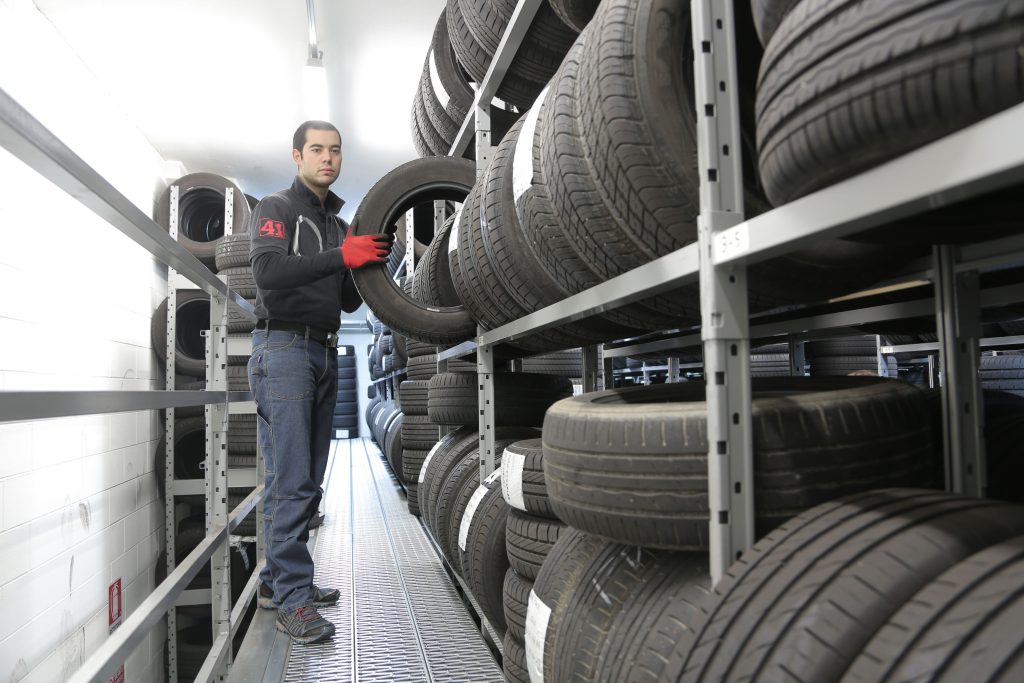
Tire inventory can represent a significant expense for tire dealers and automotive service businesses. Inventory financing can help eligible businesses explore funding for stocking the products they need.
Garage construction financing can help eligible automotive businesses explore funding for building, expanding, or improving their facilities.
Yes. Auto repair shop expansion may require additional space, equipment, inventory, or facility improvements. Auto Shop Lend helps businesses explore financing options for these types of growth projects.
Transmission shops have specialized equipment, tools, inventory, and operating needs. Auto Shop Lend provides financing-focused resources for automotive businesses looking for funding options.
Running an automotive service business can require significant capital. Modern shops may need vehicle lifts, alignment systems, diagnostic scanners, tire machines, compressors, specialty tools, management software, inventory, employee training, and substantial working capital. Shops preparing for electric vehicles can face another layer of investment in specialized diagnostic equipment, charging infrastructure, battery-service tools, safety equipment, and technician education.
The right financing structure depends on what the business is trying to accomplish. A first-time owner opening a four-bay garage has different needs from an established operation adding six bays or purchasing another location. Likewise, buying equipment is different from financing payroll or acquiring commercial property.
For AutoShopLend.com, understanding these distinctions can help owners determine how much capital they need and which financing structures deserve consideration.
There are numerous Mechanic business financing options available to qualified automotive businesses, including conventional term financing, equipment financing, lines of credit, SBA-backed programs, and other commercial financing structures. Each can serve a different purpose.
Demand for EV repair shop financing may arise when an established garage wants to add electric-vehicle capabilities. Investments might include diagnostic systems, insulated tools, battery-handling equipment, charging equipment, shop modifications, and specialized employee training.
Someone considering financing a mechanic shop startup should begin with a complete project budget. The owner may need capital for a lease deposit, renovations, lifts, compressors, diagnostic tools, inventory, computers, software, signage, insurance, payroll, and an operating reserve.
A tire shop loan might be used for qualifying equipment or other business purposes depending on the provider and financing structure. Tire changers, wheel balancers, alignment equipment, lifts, compressors, and inventory can represent substantial expenditures for a new or growing operation.
Established owners investigating auto repair shop expansion loans should determine whether the project involves equipment, construction, real estate, working capital, an additional location, or a combination of these needs.
The financing request should ultimately begin with a defined business purpose rather than an arbitrary dollar amount.
Comparing Mechanic business financing options becomes easier after separating long-lived assets from short-term expenses. Equipment that may remain productive for many years generally has different financing characteristics than advertising, payroll, or rapidly turning inventory.
For EV repair shop financing, owners should identify exactly which capabilities they plan to add. A business performing basic EV maintenance may have substantially different requirements from one preparing for high-voltage battery diagnostics and more complex repair services.
When financing a mechanic shop startup, obtaining written equipment quotations can improve budgeting. Owners can identify the number of lifts required, determine tool and diagnostic costs, price office technology, and estimate facility improvements before seeking capital.
A tire shop loan should similarly be connected to a realistic operating plan. A new tire business might require mounting and balancing machines, alignment systems, racks, compressors, service vehicles, point-of-sale technology, and initial inventory.
For businesses evaluating auto repair shop expansion loans, equipment purchases may accompany construction. Adding service bays can require new lifts, electrical work, air lines, lighting, doors, drainage, diagnostic equipment, and other improvements.
SBA’s current 7(a) program permits eligible financing to be used for machinery and equipment, furniture, fixtures, supplies, real estate, and working capital. Its current individual maximum is $5 million.
Among the Mechanic business financing options available to entrepreneurs, SBA-backed financing deserves consideration when the business and applicant meet applicable requirements. SBA currently identifies starting a business as an eligible use within its program comparison information.
Entrepreneurs interested in EV repair shop financing at the startup stage should avoid purchasing expensive technology simply because it is available. Equipment choices should reflect the services the business expects to perform and the vehicles common in its target market.
Planning for financing a mechanic shop startup also means accounting for expenses incurred before meaningful revenue begins. Buildout, equipment installation, insurance, permits, inventory, recruiting, employee training, and initial marketing can consume capital before the first repair order is completed.
A startup seeking a tire shop loan should develop revenue projections based on realistic customer volume, pricing, labor capacity, inventory turnover, and operating expenses. Projections should include weaker scenarios as well as the expected case.
Entrepreneurs comparing auto repair shop expansion loans should remember that expansion financing generally concerns an established operation, while a new business has a different risk profile and documentation history.
SBA says its 7(a) program can finance short- and long-term working capital, equipment, supplies, real estate and certain other qualifying purposes. Applicants apply through participating providers rather than directly to SBA.
SBA 7(a) financing information
Before selecting among Mechanic business financing options, owners can prepare financial information explaining both the company and the project. Established operations may need financial statements, tax information, bank records, debt schedules, ownership information, and documentation supporting the proposed use of proceeds.
Applications involving EV repair shop financing can include equipment quotations and a description of how the investment fits the company’s services. If the project includes charging infrastructure or major electrical improvements, those costs should be documented separately.
For someone financing a mechanic shop startup, a business plan and realistic projections can be particularly important because the proposed business lacks an established operating history. The owner should be able to explain expected customers, services, pricing, expenses, staffing, competition, and cash requirements.
Applicants seeking a tire shop loan should understand how much money will be tied up in inventory. Carrying numerous brands, sizes, and categories of tires can create a different working-capital requirement than operating a general repair garage with relatively limited parts inventory.
Owners considering auto repair shop expansion loans can document existing performance and explain how the expansion is expected to increase capacity. If a four-bay shop plans to become a ten-bay facility, management can estimate additional technicians, vehicles serviced, equipment, payroll, and expected revenue.
SBA currently requires 7(a) applicants to be creditworthy and demonstrate reasonable repayment ability, in addition to satisfying other program requirements.
Evaluating Mechanic business financing options starts with knowing where the capital will go. Owners can divide the project into equipment, construction, technology, inventory, payroll, marketing, and working-capital categories.
A shop seeking EV repair shop financing might allocate part of its budget to diagnostic technology and another part to technician education and facility preparation. The exact requirements will depend on the services being added.
When financing a mechanic shop startup, an operating reserve can be particularly important. Rent, utilities, payroll, insurance, software subscriptions, and other expenses continue even when customer traffic takes longer than anticipated to develop.
A tire shop loan may need to address both equipment and inventory. Management should understand how much capital will remain available after machinery and opening inventory have been purchased.
Established businesses considering auto repair shop expansion loans can use the same budgeting approach, but their projections can incorporate historical financial results and existing customer demand.
This graph is a hypothetical example—not an industry average, financing quote, expected approval amount, or recommendation.
| Example investment | Amount | Share |
|---|---|---|
| Facility/buildout | $150,000 | 30% |
| Service equipment | $100,000 | 20% |
| Operating reserve | $75,000 | 15% |
| Diagnostic technology | $50,000 | 10% |
| Parts/tire inventory | $50,000 | 10% |
| EV equipment/training | $25,000 | 5% |
| Software/office systems | $25,000 | 5% |
| Marketing/signage | $25,000 | 5% |
| Total | $500,000 | 100% |
Facility/buildout       ██████████████████████████████ 30%
Service equipment       ████████████████████           20%
Operating reserve       ███████████████                15%
Diagnostic technology   ██████████                     10%
Parts/tire inventory    ██████████                     10%
EV preparation          █████                           5%
Software/systems        █████                           5%
Marketing/signage       █████                           5%
Separating expenditures this way can also help an owner determine whether one financing structure is appropriate for the entire project or whether different capital sources should be considered.
Some Mechanic business financing options can be used for multiple purposes, while others are specifically designed for long-term assets. This distinction becomes particularly important when an automotive company is purchasing real estate or constructing a larger service facility.
An established company researching EV repair shop financing might combine technology upgrades with a broader facility-modernization project. The financing structure should reflect which expenses are actually eligible under the selected program.
Owners financing a mechanic shop startup can investigate SBA’s 7(a) program because eligible proceeds can cover multiple business purposes. SBA currently lists working capital, machinery and equipment, furniture, fixtures, supplies, real estate, certain refinancing and ownership changes among permitted uses.
A tire shop loan involving a major property or long-lived equipment project could also lead an owner to investigate the 504 program. SBA currently describes 504 financing as long-term, fixed-rate financing for major fixed assets and lists a maximum of $5.5 million.
For larger projects involving auto repair shop expansion loans, 504 financing can potentially support eligible buildings, land, construction, renovations, and long-term machinery and equipment. However, SBA specifically says 504 proceeds cannot be used for working capital or inventory.
That distinction is particularly important for auto businesses because an expansion project may include both fixed assets and substantial inventory or operating-capital requirements.
The best Mechanic business financing options cannot be identified by looking at an advertised interest rate alone. Owners should examine the amount received, fees, repayment period, payment frequency, collateral requirements, guarantees, variable-rate provisions, prepayment conditions, and expected total repayment.
Companies using EV repair shop financing should compare the expected useful life of equipment with the financing period. Owners should also consider whether rapidly changing technology could affect how long specialized equipment remains productive.
Anyone financing a mechanic shop startup should test repayment against conservative revenue assumptions. If customer volume develops more slowly than expected, the business still needs sufficient cash to cover rent, payroll, utilities, insurance, suppliers, taxes, and financing payments.
Before accepting a tire shop loan, owners can model inventory turnover and gross margins alongside required payments. Capital tied up in slow-moving inventory can create cash-flow pressure even when the business appears profitable on paper.
Applicants comparing auto repair shop expansion loans can analyze whether expected incremental cash flow from additional bays, technicians, services, or locations can reasonably support the new obligation.
For 7(a), SBA says rates are negotiated between the borrower and participating provider subject to agency maximums. Terms also depend on factors including repayment ability and the purpose of the financing.
As the business grows, Mechanic business financing options can change. A company that initially relied on a modest equipment purchase may later need substantial capital for property, additional locations, acquisitions, fleet-service capabilities, or advanced diagnostic technology.
Demand for EV repair shop financing could also become part of a broader modernization strategy. Owners can evaluate EV services based on local vehicle demand, technician capabilities, required equipment, facility considerations, and expected return on investment.
After financing a mechanic shop startup, owners should maintain accurate financial records from the beginning. Income statements, balance sheets, cash-flow reports, receivables, payables, inventory records, and debt schedules can help management evaluate performance and prepare for future capital needs.
A company that originally obtained a tire shop loan might eventually expand into alignment, brakes, suspension, general maintenance, fleet services, or additional locations. Each expansion should have its own budget and financial justification.
Likewise, businesses considering auto repair shop expansion loans should compare the proposed expansion with alternatives. Adding bays to the existing property, purchasing another shop, constructing a larger facility, or acquiring a competitor can produce very different financial outcomes.
SBA currently offers 7(a), 504 and Microloan programs for qualifying small companies. Its Microloan program provides amounts up to $50,000 and permits qualifying proceeds for working capital, inventory, supplies, furniture, fixtures, machinery, and equipment, but not real-estate purchases or repayment of existing debt.
Automotive repair continues to require investment in people, facilities, tools, equipment, technology, inventory, and working capital. A successful financing strategy begins by identifying the actual project and then determining which type of capital fits it.
A new garage may need startup capital and an operating reserve. An established shop may want additional lifts or service bays. A tire operation could need inventory and equipment. Another business may be preparing its technicians and facility for electric vehicles. Larger companies might be considering commercial property, acquisitions, or multiple locations.
Federal programs can be part of that research. As of September 2026, SBA’s 7(a) program has a $5 million individual maximum and can support qualifying working capital, equipment, real estate and other business purposes. The 504 program currently offers up to $5.5 million for qualifying major fixed assets, including eligible real estate and long-term machinery, but does not fund working capital or inventory.
Business owners can also use SBA’s Lender Match service to identify participating providers. SBA notes that applicants ultimately apply directly through the provider and that individual programs and providers have their own eligibility requirements.
For additional internal information about automotive-industry financing, visit AutoShopLend.com. AutoShopLend.com operates as an affiliate marketplace and works to connect automotive businesses with financing resources; it does not independently make credit decisions. Approval, amounts, rates, fees, collateral requirements, guarantees, and repayment terms depend on the independent provider and applicant qualifications.