

From new equipment and tire inventory to garage construction and business expansion, Auto Shop Lend helps automotive businesses find financing options to keep their shops running and growing.

Transmission shop financing and auto service center startup capital can help qualified automotive business owners explore funding for opening, purchasing, equipping, or expanding a professional repair operation. Garage acquisition financing, brake lathe financing, and repair facility growth capital can provide additional funding options for eligible business acquisitions, equipment purchases, facility improvements, and expansion needs.
Financing options designed around the needs of automotive repair and service businesses.
Get the funding you need to keep the parts, tires, and products your customers need in stock.
Upgrade the tools and equipment that help your technicians work efficiently and serve more customers.
Take your shop to the next level with financing options for improvements, expansion, and growth.
Whether you’re looking for equipment, inventory, construction, repairs, or expansion financing, start by telling us about your business and what you’re looking to accomplish.
Your shop is different from a typical business. Your financing needs can involve equipment, inventory, facilities, vehicles, tools, and expansion.
Whether you need inventory financing, construction financing, or funding for your next expansion, explore options for the needs that matter to your business.
When equipment needs replacing or inventory needs replenishing, access to the right financing can help you keep your business operating.
Opening another location? Expanding your garage? Adding services? Financing can help you turn your next business opportunity into a plan.
Whether you’re building a new garage, adding equipment, stocking up on inventory, or expanding your automotive business, Auto Shop Lend can help you explore financing options for your next move.
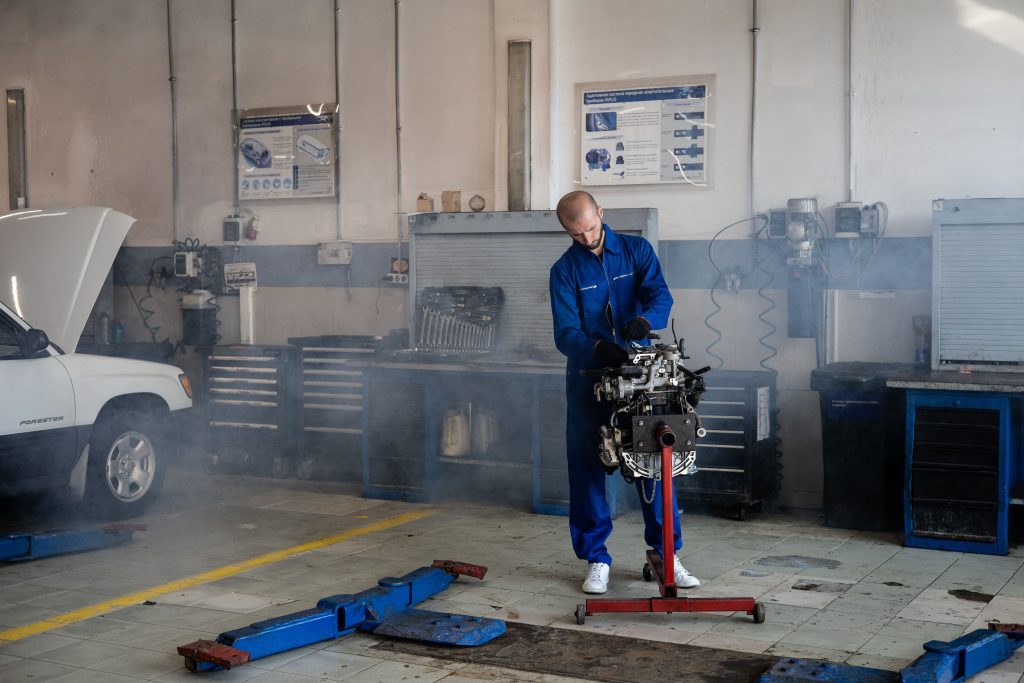
From everyday business needs to major expansion projects, explore financing options designed around automotive businesses and the work they do every day.
Affiliate Disclosure: We are an affiliate marketing website and may receive compensation from lending partners. We are not a lender, do not make credit decisions, and do not guarantee approval. Loan terms and rates are determined by individual lenders.
Auto Shop Lend focuses on financing for automotive businesses. The site helps shop owners explore financing options for business needs such as equipment, inventory, construction, expansion, and other shop-related expenses.
Depending on the financing option, funds may be used for business needs such as equipment, inventory, facility improvements, construction, expansion, and other qualified expenses.
Auto shops often need specialized equipment to operate and grow. Auto Shop Lend helps businesses explore financing options for equipment and other business needs.
Tire inventory can represent a significant expense for tire dealers and automotive service businesses. Inventory financing can help eligible businesses explore funding for stocking the products they need.
Garage construction financing can help eligible automotive businesses explore funding for building, expanding, or improving their facilities.
Yes. Auto repair shop expansion may require additional space, equipment, inventory, or facility improvements. Auto Shop Lend helps businesses explore financing options for these types of growth projects.
Transmission shops have specialized equipment, tools, inventory, and operating needs. Auto Shop Lend provides financing-focused resources for automotive businesses looking for funding options.
Thank you for visiting AutoShopLend.com. We help automotive business owners explore financing options for their business needs.
Whether you operate an auto repair shop, tire center, body shop, collision repair facility, mechanic garage, quick-lube business, detailing company, transmission shop, or another automotive service business, AutoShopLend.com is here to help you explore potential financing resources.
If you have questions about our website, financing opportunities, advertising relationships, or how our service works, please contact us using the information below.
AutoShopLend.com
935 Obenour Ct.
Monroe, Ohio 45050
Phone: (513) 596-6297
Website: AutoShopLend.com
Automotive businesses can have financing needs that differ significantly from those of many other industries. Equipment, tools, technology, inventory, facility improvements, and working capital can all require substantial investment.
AutoShopLend.com helps business owners explore potential financing for needs such as auto repair shop startups, tire shops, automotive equipment, vehicle lifts, alignment racks, diagnostic and testing equipment, tire changers, shop tools, business expansion, and eligible working-capital expenses.
The financing products available to you will depend on the independent provider, your business, the requested financing amount, creditworthiness, financial history, time in business, revenue, and other underwriting requirements.
If you are contacting AutoShopLend.com about financing, having some basic information available may make it easier to understand what you are looking for.
Helpful information can include the type of automotive business you own or plan to open, how long you have been in business, the approximate amount of financing you are seeking, how you intend to use the funds, and whether you are purchasing specific equipment.
Please do not send sensitive financial information, passwords, Social Security numbers, bank account information, or other confidential information through ordinary email or unsecured communications.
You may also contact us regarding general questions about AutoShopLend.com, including website content, advertising and affiliate relationships, corrections to information published on the site, technical problems, or other general inquiries.
When contacting us about a particular webpage, providing the page title or web address can help us identify the content you are referring to.
AutoShopLend.com is not a lender and does not make credit decisions.
We may help connect visitors with independent third-party lenders, financing companies, brokers, marketplaces, or other providers. AutoShopLend.com may receive compensation from third parties for referrals, leads, advertising, or other qualifying actions.
Submitting a request through AutoShopLend.com does not guarantee that you will receive a financing offer or be approved for financing.
Any approval decision, loan amount, interest rate, financing cost, repayment term, fees, collateral requirements, personal-guarantee requirements, and other financing conditions are established by the applicable third-party provider.
Before accepting financing, carefully review the provider’s complete agreement, disclosures, rates, fees, repayment requirements, and other terms.
Our goal at AutoShopLend.com is to make it easier for automotive entrepreneurs and established shop owners to explore financing resources relevant to their businesses.
For general questions or additional information, contact us at:
AutoShopLend.com
935 Obenour Ct., Monroe, Ohio 45050
Phone: (513) 596-6297
Running an automotive repair business requires more than technical knowledge and skilled technicians. Owners must also manage equipment purchases, real estate or lease expenses, payroll, inventory, technology, marketing, insurance, and working capital. Depending on the project, businesses may investigate Transmission shop financing, auto service center startup capital, garage acquisition financing, brake lathe financing, or repair facility growth capital to help fund eligible business expenses.
The appropriate financing strategy depends heavily on what the business is trying to accomplish. Starting a shop presents different financial challenges from purchasing an established operation. Likewise, financing a single piece of equipment is different from funding an expansion involving additional service bays, employees, and inventory.
The following guide explains these different situations, how owners can evaluate their financing needs, and what they should consider before taking on business debt.
Automotive businesses are capital-intensive because revenue-producing services often depend on expensive equipment. Even a relatively small independent shop may require vehicle lifts, diagnostic scanners, compressors, tire equipment, specialty tools, computers, software, storage systems, and significant parts inventory.
Specialized operations can require even more.
Transmission businesses may need transmission jacks, rebuilding equipment, lifts, diagnostic systems, parts-cleaning equipment, workbenches, specialty tools, and substantial inventory. Tire businesses require tire changers and balancing equipment. Full-service repair centers may need alignment racks, brake equipment, refrigerant recovery machines, welding equipment, and advanced diagnostic technology.
The building itself may also require improvements before the first customer arrives.
Owners therefore need to separate project costs into three broad categories: fixed equipment, facility expenses, and working capital. Understanding these categories makes it easier to determine what type and amount of financing could be appropriate.
Transmission shop financing can potentially help qualified owners fund eligible expenses associated with establishing, purchasing, equipping, or expanding a transmission repair operation.
Transmission repair is specialized work. A business may need equipment and tools that a general repair garage does not require. Before seeking Transmission shop financing, owners should prepare a detailed equipment list rather than estimating one large number.
Vendor quotes can help establish realistic costs for major purchases. The budget should also account for installation, freight, warranties, electrical work, employee training, and other expenses associated with putting equipment into service.
For an existing transmission business, Transmission shop financing may also be considered when replacing aging machinery or adding capacity.
However, purchasing additional equipment does not automatically produce additional revenue. Owners should determine whether existing customer demand supports the investment. If technicians are already turning away profitable jobs because equipment capacity is limited, expansion may have a stronger financial rationale than buying machinery simply because financing is available.
An entrepreneur opening an independent automotive facility may need auto service center startup capital before the business generates meaningful revenue.
The startup budget should include considerably more than repair equipment.
Potential expenses include security deposits, leasehold improvements, signage, computers, software, insurance, initial inventory, utility deposits, advertising, professional services, employee payroll, and cash reserves.
When estimating auto service center startup capital, owners should avoid building projections around immediate full capacity. New businesses generally need time to develop awareness, customer relationships, online reviews, commercial accounts, and repeat business.
A financing provider evaluating auto service center startup capital may have less historical business information to review than it would for an established company. The provider may therefore consider factors such as the applicant’s creditworthiness, automotive experience, available cash, business plan, collateral, projected cash flow, and other underwriting criteria.
There is no guarantee that a startup will qualify. Requirements vary among lenders and financing providers.
Some entrepreneurs prefer purchasing an operating repair business rather than building one from the ground up.
Garage acquisition financing may potentially be used by qualified borrowers to purchase an eligible existing automotive operation, depending on the financing program and provider.
Acquiring an existing business can provide immediate access to equipment, employees, customers, operating history, and established revenue. That does not mean every existing repair business is a good acquisition.
Before pursuing garage acquisition financing, prospective buyers should carefully investigate what they are purchasing.
Financial statements and tax returns can help buyers understand historical performance. Equipment should be inspected to determine condition and remaining useful life. Lease terms should be reviewed when the property is not included in the transaction.
Buyers considering garage acquisition financing should also understand how much of the purchase price relates to tangible assets versus goodwill and other intangible value.
Professional accounting and legal assistance can be valuable during this process.
Brake work remains an important service category for many automotive businesses, and specialized machinery can be part of a shop’s equipment strategy.
Brake lathe financing may provide qualified businesses with a way to acquire eligible brake-service equipment without paying the complete purchase price upfront.
Before using brake lathe financing, an owner should evaluate how frequently the equipment is expected to be used and whether bringing that capability in-house makes financial sense.
The calculation should consider more than the purchase price.
Installation, tooling, adapters, maintenance, technician training, repairs, and the expected useful life of the machine can all influence the real cost of ownership.
When considering brake lathe financing, compare the projected equipment payment and operating expenses against the economic benefit the machine could provide. Equipment should solve an identifiable business problem or support a realistic service opportunity.
Successful automotive businesses eventually encounter capacity limitations. The parking lot may be full, technicians may be waiting for lifts, service advisors may be overwhelmed, or the shop may routinely turn away profitable work.
Repair facility growth capital can potentially support eligible expansion projects for qualified businesses.
An established operation considering repair facility growth capital has an important advantage over a startup: historical information.
Management can examine repair orders, monthly revenue, gross margins, technician productivity, customer retention, appointment backlogs, and service demand. Those numbers can help determine whether expansion is justified.
Potential uses of repair facility growth capital could include eligible equipment purchases, facility improvements, additional working capital, or other expansion expenses, depending on the financing provider and product.
Expansion should still be approached cautiously. A larger facility creates additional expenses as well as additional capacity.
The following graph shows a completely hypothetical $300,000 automotive project. These numbers are illustrative only. They are not industry averages, financing offers, recommended spending amounts, or representations of what an automotive business will actually need.
Hypothetical allocation showing how a business might divide a project budget. These figures are examples only.
$0$25K$50K$75K$100KMajor shop equipmentFacility improvem…Tools and technologyInventory and sup…Working capitalMarketing, insura…
Actual automotive business costs can vary substantially by location, equipment, facility and project.
| Illustrative category | Hypothetical amount |
|---|---|
| Major shop equipment | $85,000 |
| Facility improvements | $65,000 |
| Tools and technology | $40,000 |
| Inventory and supplies | $30,000 |
| Working capital | $55,000 |
| Marketing, insurance and other | $25,000 |
| Total | $300,000 |
The example demonstrates why auto service center startup capital can involve considerably more than lifts and tools. It also shows why repair facility growth capital should be calculated from the entire expansion project rather than one highly visible purchase.
Not every automotive project requires the same financing structure.
A single machine may be a candidate for equipment financing, where the financing is connected primarily to the asset being purchased. A larger project involving construction, equipment, inventory, and working capital could require a different structure.
For example, brake lathe financing is relatively narrow because the business is evaluating a specific piece of machinery. An entire second-location expansion may involve several categories of expenditures.
Owners should therefore define the project before choosing a financing product.
Ask how much money is needed, what it will purchase, how long the assets should remain productive, and how much monthly cash flow is reasonably available for repayment.
Eligible automotive businesses may also want to investigate financing through lenders participating in U.S. Small Business Administration programs.
The SBA’s 7(a) program can be used for eligible purposes including acquiring or improving real estate, short- and long-term working capital, purchasing and installing machinery and equipment, refinancing certain business debt, and complete or partial changes of ownership. The current maximum for an individual 7(a) loan is $5 million.
That broad range of permitted uses means the program may be worth researching when comparing Transmission shop financing, auto service center startup capital, garage acquisition financing, or repair facility growth capital, provided the business and proposed transaction satisfy applicable requirements.
The SBA does not ordinarily make 7(a) loans directly to business owners. Participating lenders make the loans, while the SBA provides a government guarantee.
Official SBA 7(a) Loan Program
A 2026 SBA policy change also allows qualified borrowers to combine up to $5 million through 7(a) with up to $5 million through 504 for as much as $10 million in combined SBA-backed financing, subject to the requirements of the programs. The change became effective July 4, 2026.
This does not mean an automotive business automatically qualifies for those amounts. Eligibility, underwriting, project requirements, and ability to repay still matter.
Purchasing an established shop requires more due diligence than simply agreeing on a selling price.
Anyone investigating garage acquisition financing should understand the business’s historical financial performance and the assets being transferred.
Reviewing financial statements, tax records, equipment lists, leases, outstanding obligations, employee information, and other appropriate records can help a prospective buyer evaluate the transaction. Professional advisers can help determine which records should be reviewed.
A buyer should also determine whether the seller owns the real estate.
Purchasing a business and purchasing the building it occupies are separate transactions in many cases. If the shop leases its facility, the buyer needs to understand whether the existing lease can be transferred or whether a new agreement will be required.
Customer concentration also deserves attention. A business heavily dependent on one fleet account or commercial customer may have different risks from a shop with a diversified customer base.
Automotive equipment can remain productive for years, but not every machine has the same useful life.
Traditional mechanical equipment and rapidly evolving electronic technology should not necessarily be financed using identical assumptions.
Before financing equipment, owners should evaluate:
A shop using brake lathe financing, for example, should understand both the financing obligation and the expected productive life of the machine.
Equipment financing should ultimately support the operation rather than become an unnecessary financial burden.
Automotive equipment purchases can also have tax implications.
IRS Publication 946 explains depreciation and the Section 179 deduction. For tax years beginning in 2026, the IRS states that the maximum Section 179 expense deduction is $2.56 million, with the limit beginning to phase down when Section 179 property placed in service exceeds $4.09 million. Eligibility rules and limitations apply.
IRS Publication 946 — How to Depreciate Property
These rules can be relevant to a business purchasing equipment through brake lathe financing, but financing an asset does not by itself establish that a particular tax treatment applies.
Business owners should consult a qualified tax professional about their specific circumstances rather than purchasing equipment primarily because they expect a deduction.
For an established transmission operation, growth should be tied to measurable demand.
Before seeking Transmission shop financing, management can review historical repair orders, average job values, turnaround times, technician capacity, declined work, outsourced services, and customer wait times.
If the business regularly turns away profitable transmission work because existing equipment or facility capacity is inadequate, investment may be easier to justify.
The same principle applies to hiring. Adding equipment without enough trained employees to operate it can leave expensive assets underused.
Equipment, staffing, marketing, and working capital should therefore be evaluated as parts of one expansion plan.
Access to financing should not determine the size of an expansion.
Before requesting repair facility growth capital, owners should calculate the actual amount required and determine how much of the project can responsibly be funded from existing resources.
Suppose an expansion requires $200,000 but the business can safely contribute $50,000 while maintaining appropriate cash reserves. The owner can then investigate financing for the remaining requirement rather than automatically borrowing the full project amount.
Cash reserves matter because expansion can temporarily disrupt operations. Construction delays, equipment installation, hiring difficulties, or slower-than-expected customer growth can affect cash flow.
Conservative projections give the business more room for unexpected developments.
Entrepreneurs seeking auto service center startup capital should prepare before approaching financing providers.
A strong plan identifies the exact location, services offered, target market, equipment requirements, projected staffing, startup expenses, available owner investment, expected operating expenses, and realistic revenue assumptions.
It should also account for working capital.
Opening the doors is only the beginning. Payroll, rent, insurance, utilities, parts, marketing, software, and other expenses continue regardless of whether customer volume reaches projections immediately.
Planning for this period can be just as important as financing the equipment itself.
Your website already has an auto repair financing page that discusses startup financing, equipment, working capital, expansion, acquisitions, and other shop needs. You can use it as a primary internal destination from this article:
Additional internal-link opportunities include pages dedicated to equipment funding, shop acquisitions, working capital, transmission businesses, and expansion financing if those individual pages exist on your site. I am not inventing URLs for pages I could not verify.
Using descriptive anchor text around related subjects can help visitors move between relevant financing guides while strengthening the site’s internal topic structure.
Automotive financing works best when it begins with a clearly defined business objective.
Transmission shop financing may help qualified specialty repair businesses acquire eligible equipment, establish operations, or increase capacity. Auto service center startup capital may help entrepreneurs address the broader combination of equipment, facility, inventory, and operating expenses associated with establishing a new shop.
Garage acquisition financing can be relevant to qualified buyers purchasing an existing automotive operation, but careful due diligence remains essential before completing an acquisition. Brake lathe financing can provide a way to spread an eligible equipment purchase over time when the investment makes operational and financial sense. Repair facility growth capital may help established businesses undertake eligible expansion projects when historical demand supports additional capacity.
None of these financing approaches guarantees that a project will succeed or that an applicant will receive approval. Financing providers establish their own underwriting requirements, rates, fees, loan amounts, repayment structures, and eligibility standards.
The strongest approach is to determine exactly what the business needs, obtain real vendor and project estimates, build conservative projections, preserve adequate working capital, compare available financing carefully, and understand the complete repayment obligation before signing an agreement.
Disclaimer: AutoShopLend.com is not a lender and does not make credit decisions. Financing is subject to the requirements and approval of the applicable financing provider. This article is for general informational purposes and is not financial, legal, accounting, or tax advice.