
AUTOMOTIVE INVENTORY FUNDING IS AVAILABLE
AUTO REPAIR FINANCING MATCHING SERVICE
Get matched with lenders that specialize
in auto shop financing
- Soft credit pull
- No cost to you
- Private & secure
Soft Credit Pull
No Cost to You
Industry Specialists
One Application
Loan Programs
Financing for every shop need
Affiliate Disclosure: We are an affiliate marketing website and may receive compensation from lending partners. We are not a lender, do not make credit decisions, and do not guarantee approval. Loan terms and rates are determined by individual lenders.
Equipment Financing
Working Capital
Shop Build-Out & Expansion
Acquisition Loans
Fast Cash Advances
Commercial Real Estate
How It Works
A simple, confidential four-step
process
Apply once. We connect you with specialty lenders. You compare offers privately. You decide.
Tell Us About Your Shop
Get Matched
Compare Offers
Fund & Get Back to Work
Estimate Your Monthly Payment
Move the sliders to see how loan amount, term, and rate shape your monthly cost. Illustrative estimates only — your actual offer depends on your matched lender.
Rate slider is for illustration only. Actual rates vary by shop type, time in business, monthly revenue, lender, and credit profile.
Illustrative estimates only. Not an offer of credit. Actual terms determined by lender.
Who We Serve
Financing for every shop type
General Auto Repair
Body & Collision
Tire Shops
Quick Lube
Transmission
Auto Detailing
Fleet Service
Multi-Location
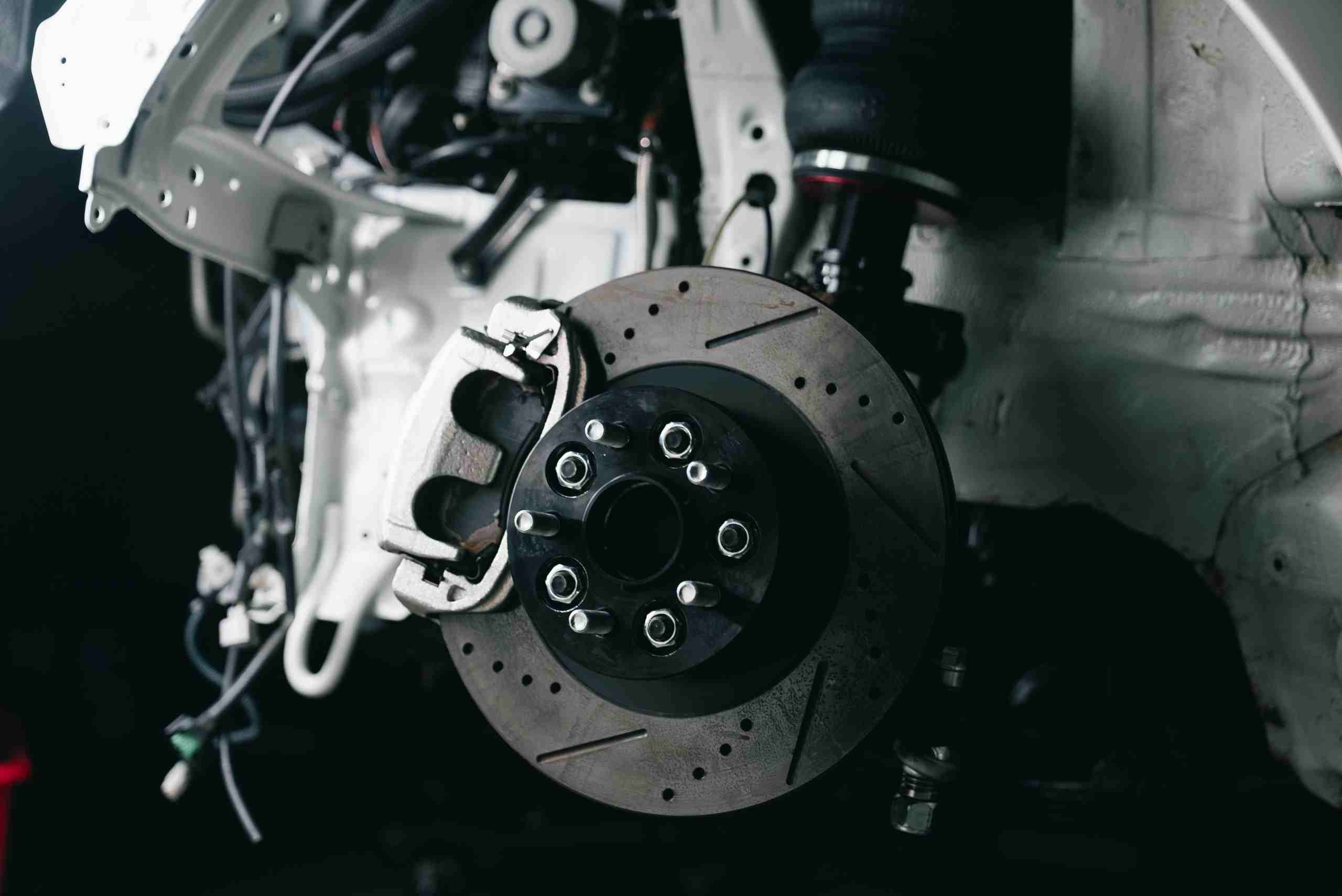
A lending network built for
auto shops
Shop-Specific Underwriting
One Profile, Multiple Offers
No Cost. No Commitment.
Confidential & Discreet
Ready to grow your shop?
Fleet Maintenance Financing for New York Taxi Companies: A Complete Guide to Managing Costs, Growth, and Vehicle Reliability
Operating a taxi company in New York City is unlike running almost any other transportation business in America. Vehicles operate around the clock, traffic congestion is constant, road conditions can be demanding, and passenger expectations remain high. Whether a company owns 10 taxis or manages a fleet of 500 vehicles, maintenance is one of the largest ongoing expenses.
For this reason, fleet maintenance financing has become an important financial tool for many fleet operators. Proper financing allows taxi companies to keep vehicles on the road, reduce downtime, preserve cash flow, and maintain profitability while managing the significant costs associated with maintaining a commercial transportation fleet.
This guide explains everything taxi fleet owners need to know about maintenance costs, financing options, fleet management strategies, technology investments, property ownership, and long-term growth.
Why Fleet Maintenance Matters for Taxi Companies
Unlike privately owned vehicles that may travel 10,000 to 15,000 miles annually, New York taxis often accumulate:
- 50,000 to 100,000 miles per year
- Heavy stop-and-go driving
- Continuous engine operation
- Frequent brake usage
- Constant passenger turnover
This accelerated wear increases:
- Tire replacement frequency
- Brake service intervals
- Suspension repairs
- Engine maintenance
- Transmission repairs
As a result, maintenance planning becomes essential.
Many operators rely on fleet maintenance financing to ensure repairs are performed promptly rather than delayed due to cash flow constraints.
Example New York Taxi Fleet
Let’s examine a fleet of 25 taxis.
Average vehicle value:
$35,000
Total fleet value:
$875,000
Depending on vehicle type, hybrid technology, and replacement schedules, many fleets are worth substantially more.
Common fleet vehicles include:
- Toyota Camry Hybrid
- Toyota RAV4 Hybrid
- Toyota Sienna
- Nissan Altima
- Ford Escape Hybrid
Typical Annual Maintenance Costs
A New York taxi experiences far greater wear than most consumer vehicles.
Estimated annual maintenance costs per vehicle:
| Maintenance Category | Annual Cost |
|---|---|
| Oil Changes | $500-$1,200 |
| Tires | $800-$2,500 |
| Brakes | $500-$2,000 |
| Suspension | $500-$3,000 |
| Engine Repairs | $1,000-$5,000 |
| Miscellaneous Repairs | $1,000-$4,000 |
Average annual maintenance cost per taxi:
$4,000 to $15,000
For a 25-vehicle fleet:
$100,000 to $375,000 annually
This explains why fleet maintenance financing remains one of the most valuable financial tools available to transportation operators.
Tire Replacement Costs
New York streets place tremendous stress on tires.
Common causes of accelerated wear include:
- Potholes
- Heavy traffic
- Constant braking
- Urban driving conditions
Typical annual tire budgets:
| Fleet Size | Annual Tire Cost |
| 10 Vehicles | $15,000 |
| 25 Vehicles | $37,500 |
| 50 Vehicles | $75,000 |
| 100 Vehicles | $150,000 |
Many operators use automotive inventory funding to maintain adequate tire inventories and replacement parts.
Brake System Expenses
Taxi drivers use brakes continuously throughout the day.
Common repairs include:
- Brake pads
- Rotors
- Calipers
- Hydraulic systems
Fleet brake expenses can exceed:
$25,000 to $100,000 annually
depending on fleet size.
Engine and Transmission Repairs
High mileage eventually leads to major component failures.
Common repairs include:
- Timing components
- Fuel systems
- Cooling systems
- Engine rebuilds
- Transmission replacements
Major repairs may cost:
$3,000 to $12,000+
per vehicle.
Why Financing Helps
Many fleet owners could pay maintenance costs directly.
However, financing offers advantages:
Preserve Working Capital
Cash remains available for:
- Payroll
- Insurance
- Marketing
- Vehicle acquisition
Reduce Downtime
Vehicles can be repaired immediately.
Improve Revenue Stability
Consistent maintenance keeps vehicles generating income.
These benefits are among the primary reasons taxi operators utilize fleet maintenance financing solutions.
Building an Internal Maintenance Facility
Many growing taxi companies eventually create their own repair operations.
Benefits include:
- Faster repairs
- Lower labor costs
- Better scheduling control
- Reduced outsourcing expenses
However, repair facilities require substantial investment.
Equipment Needed for Taxi Fleet Maintenance
Typical equipment includes:
| Equipment | Cost Range |
| Vehicle Lifts | $5,000-$25,000 |
| Alignment Equipment | $10,000-$50,000 |
| Tire Machines | $5,000-$20,000 |
| Balancers | $2,000-$15,000 |
| Diagnostic Systems | $5,000-$100,000 |
Many operators work with diesel repair shop financing providers when adding commercial service capabilities for support vehicles and shuttle fleets.
Technology Is Transforming Fleet Maintenance
Modern taxi fleets rely heavily on technology.
Common systems include:
- GPS tracking
- Telematics
- Maintenance scheduling software
- Driver monitoring systems
- Fuel management platforms
These investments improve:
- Vehicle uptime
- Driver accountability
- Fuel efficiency
- Maintenance forecasting
Many businesses fund these upgrades using fleet operations financing programs.
Fleet Operations Financing and Business Growth
A growing taxi company has numerous capital needs beyond maintenance.
Examples include:
- Software systems
- Dispatch technology
- Fleet tracking platforms
- Communication systems
- Driver onboarding
These investments frequently qualify under fleet operations financing programs.
As fleets become increasingly data-driven, fleet operations financing is helping operators modernize their businesses.
Purchasing Fleet Property
Many successful taxi operators eventually purchase commercial real estate.
Common property types include:
- Maintenance garages
- Dispatch centers
- Vehicle storage lots
- Fleet headquarters
- Mixed-use transportation facilities
Benefits include:
- Equity growth
- Stable occupancy costs
- Expansion flexibility
These purchases often utilize automotive property financing.
Understanding Automotive Property Financing
Automotive property financing helps businesses acquire or refinance commercial automotive facilities.
Eligible properties often include:
- Taxi depots
- Fleet maintenance facilities
- Transportation centers
- Vehicle storage locations
Many operators use automotive property financing when transitioning from leased locations to owner-occupied facilities.
Long-term ownership can significantly improve financial stability.
Inventory Management Challenges
Fleet maintenance requires large inventories of parts.
Examples include:
- Tires
- Brake components
- Filters
- Fluids
- Batteries
Maintaining adequate inventory can become expensive.
This is where automotive inventory funding becomes valuable.
Automotive Inventory Funding Explained
Automotive inventory funding allows operators to maintain critical replacement parts without tying up large amounts of working capital.
Benefits include:
- Improved parts availability
- Reduced repair delays
- Better purchasing flexibility
- Improved fleet uptime
Growing operators frequently utilize automotive inventory funding to support larger maintenance programs.
Hybrid and Electric Taxi Fleets
New York continues encouraging cleaner transportation solutions.
Many taxi fleets now include:
- Hybrid vehicles
- Plug-in hybrids
- Fully electric vehicles
These vehicles require:
- Specialized training
- High-voltage safety procedures
- Battery diagnostics
- Charging infrastructure
Future fleet investments may include:
- EV chargers
- Battery testing equipment
- Technician certifications
Sample Annual Budget for a 25-Taxi Fleet
| Category | Annual Cost |
| Maintenance & Repairs | $200,000 |
| Tires | $37,500 |
| Fuel | $300,000 |
| Insurance | $250,000 |
| Payroll | $400,000 |
| Technology | $50,000 |
Total Annual Operating Costs:
$1.24 Million+
Estimated Fleet Operating Expense Breakdown
Common Fleet Maintenance Mistakes
Delaying Repairs
Small problems often become major expenses.
Poor Record Keeping
Maintenance histories improve decision making.
Underestimating Tire Costs
Urban driving accelerates tire wear.
Ignoring Technology
Modern software can significantly reduce costs.
Inadequate Parts Inventory
Parts shortages create unnecessary downtime.
Internal Links
Consider linking internally to:
- Fleet Maintenance Financing
- Fleet Operations Financing
- Automotive Property Financing
- Automotive Inventory Funding
- Diesel Repair Shop Financing
- Commercial Vehicle Financing
- Fleet Equipment Loans
External Resources
Useful resources include:
- New York City Taxi and Limousine Commission (TLC)
- Federal Motor Carrier Safety Administration (FMCSA)
- U.S. Small Business Administration (SBA)
- Occupational Safety and Health Administration (OSHA)
Final Thoughts
Managing a New York taxi fleet requires much more than purchasing vehicles and hiring drivers. Maintenance expenses, tire replacement, technology upgrades, inventory management, property ownership, and operational efficiency all play critical roles in profitability. Without a structured maintenance strategy, downtime can quickly reduce revenue and increase operating costs.
Strategic use of fleet maintenance financing, automotive inventory funding, diesel repair shop financing, automotive property financing, and fleet operations financing can help taxi companies maintain reliable fleets, improve customer service, and position themselves for long-term growth. As transportation technology continues evolving, operators who invest in maintenance infrastructure and operational efficiency today are often best positioned to succeed tomorrow.
Automotive Inventory Funding: A Complete Guide for Automotive Parts Stores
The automotive parts industry is one of the largest and most essential sectors of the transportation economy. Every repair shop, dealership, fleet operator, collision center, and vehicle owner depends on parts suppliers to keep vehicles operating safely and efficiently. However, operating a successful automotive parts store requires a significant investment in inventory. Thousands of different parts must be stocked, reordered, stored, and managed to meet customer demand.
For many parts store owners, maintaining adequate inventory is one of the biggest financial challenges. This is where automotive inventory funding becomes a valuable business tool. By providing access to capital specifically designed for inventory purchases, funding solutions can help parts stores expand product offerings, improve customer service, increase sales, and remain competitive.
This guide explains everything parts store owners need to know about inventory financing, industry trends, operational challenges, growth opportunities, and strategies for building a successful automotive parts business.
What Is Automotive Inventory Funding?
Automotive inventory funding is financing designed to help automotive businesses purchase and maintain inventory without using all available cash reserves.
Rather than paying for large inventory orders upfront, business owners can obtain funding that allows them to:
- Purchase additional inventory
- Increase product selection
- Manage seasonal demand
- Improve cash flow
- Support expansion efforts
Many successful parts suppliers use automotive inventory funding to maintain adequate stock levels while preserving working capital for daily operations.
Why Inventory Matters
Unlike many retail businesses, automotive parts stores must stock thousands of products.
Customers expect immediate availability of:
- Brake pads
- Rotors
- Batteries
- Filters
- Belts
- Hoses
- Sensors
- Alternators
- Starters
- Suspension components
When parts are unavailable, customers often purchase from competitors.
Maintaining inventory directly impacts:
- Revenue
- Customer satisfaction
- Repeat business
- Market share
This is why automotive inventory funding is frequently viewed as a growth tool rather than simply a financing solution.
Example Automotive Parts Store
Consider a mid-sized independent automotive parts supplier.
Store size:
10,000 square feet
Inventory value:
$500,000 to $2 million
Annual sales:
$2 million to $10 million
Many successful operations maintain inventory investments representing 20% to 40% of annual revenue.
Common Categories of Inventory
Parts stores typically stock products in numerous categories.
Brake Components
Common products include:
- Brake pads
- Brake rotors
- Brake calipers
- Brake hoses
Engine Components
Examples include:
- Water pumps
- Fuel pumps
- Sensors
- Timing components
Electrical Parts
Common inventory includes:
- Batteries
- Alternators
- Starters
- Wiring components
Suspension and Steering
Parts often include:
- Ball joints
- Tie rods
- Control arms
- Shock absorbers
Fluids and Chemicals
Inventory may include:
- Motor oil
- Coolant
- Transmission fluid
- Brake fluid
Inventory Costs Add Up Quickly
Modern vehicles contain thousands of individual components.
A parts store may carry:
| Category | Inventory Value |
|---|---|
| Brake Parts | $100,000 |
| Electrical Components | $75,000 |
| Suspension Parts | $100,000 |
| Engine Components | $150,000 |
| Fluids & Chemicals | $50,000 |
| Miscellaneous Inventory | $125,000 |
Total Inventory:
$600,000
Many businesses use automotive inventory funding to maintain inventory at these levels.
Why Cash Flow Can Be Challenging
Parts stores often face timing issues.
Inventory must be purchased before sales occur.
Common challenges include:
- Supplier payment deadlines
- Seasonal demand fluctuations
- Economic uncertainty
- Unexpected sales spikes
Without adequate capital, growth opportunities may be lost.
Seasonal Demand Patterns
Different products experience varying demand throughout the year.
Winter Demand
Common products:
- Batteries
- Antifreeze
- Wiper blades
Summer Demand
Popular items:
- Cooling system parts
- Air conditioning components
- Fluids
Year-Round Demand
Steady sellers include:
- Brake parts
- Filters
- Oil
- Suspension components
Financing helps stores prepare for seasonal fluctuations without straining cash reserves.
Supplying Repair Shops
Many parts stores serve professional repair facilities.
Customers may include:
- General repair shops
- Tire centers
- Collision centers
- Fleet maintenance companies
Some customers purchase inventory daily.
Others maintain large commercial accounts.
Fleet Customers Create Opportunity
Commercial fleets require constant access to replacement parts.
Fleet operators often need:
- Brake systems
- Tires
- Filters
- Fluids
- Electrical components
Many suppliers supporting fleet customers also work alongside businesses utilizing fleet maintenance financing solutions.
Growing fleet accounts often increase inventory requirements substantially.
Fleet Maintenance Financing and Parts Demand
Commercial vehicle operators depend heavily on reliable parts availability.
Companies utilizing fleet maintenance financing frequently perform maintenance on larger schedules and higher volumes.
As a result, parts suppliers serving these customers often experience:
- Larger orders
- More frequent purchases
- Greater inventory turnover
This relationship between inventory management and fleet maintenance financing can create substantial growth opportunities for parts distributors.
Commercial Property Requirements
As parts businesses expand, facility requirements increase.
Growing companies may need:
- Larger warehouses
- Distribution centers
- Additional retail locations
Purchasing property often becomes a strategic decision.
These acquisitions frequently utilize automotive property financing.
Automotive Property Financing for Expansion
Larger inventory operations require substantial storage space.
Benefits of ownership include:
- Equity accumulation
- Stable occupancy costs
- Facility customization
- Long-term appreciation
Businesses often use automotive property financing when acquiring:
- Retail locations
- Warehouses
- Distribution centers
- Commercial automotive properties
Successful distributors frequently utilize automotive property financing as part of broader growth plans.
Supporting Diesel Repair Facilities
Many automotive parts suppliers support commercial truck operations.
Products may include:
- Heavy-duty filters
- Commercial brake systems
- Suspension components
- Engine parts
These customers often rely on diesel repair shop financing to purchase equipment and expand service capabilities.
As diesel repair businesses grow through diesel repair shop financing, demand for replacement parts often increases as well.
Technology and Inventory Management
Modern inventory systems have transformed the parts industry.
Common software capabilities include:
- Real-time inventory tracking
- Automated reordering
- Supplier integration
- Sales forecasting
- Warehouse management
Technology helps reduce:
- Overstocking
- Stockouts
- Shrinkage
- Administrative costs
Inventory Turnover Matters
One of the most important performance metrics is inventory turnover.
A healthy store balances:
- Product availability
- Cash flow
- Storage costs
Inventory sitting too long ties up capital.
Inventory moving too quickly may result in stock shortages.
Estimated Inventory Allocation
| Inventory Category | Percentage |
| Engine Components | 25% |
| Brake Systems | 20% |
| Suspension Parts | 20% |
| Electrical Components | 15% |
| Fluids & Chemicals | 10% |
| Miscellaneous Parts | 10% |
Inventory mix varies depending on market demand and customer base.
Working Capital Considerations
Parts stores require ongoing working capital for:
- Payroll
- Rent
- Utilities
- Marketing
- Insurance
- Inventory replenishment
Strong cash flow management is critical.
Common Inventory Mistakes
Overstocking Slow-Moving Parts
Excess inventory ties up capital.
Understocking High-Demand Parts
Lost sales can quickly impact profitability.
Poor Forecasting
Inventory decisions should be data-driven.
Ignoring Technology
Manual systems often create costly inefficiencies.
Failing to Diversify Suppliers
Supplier disruptions can impact product availability.
The Future of Automotive Parts Stores
Several trends are shaping the industry.
Electric Vehicles
EVs require different replacement parts than traditional vehicles.
Hybrid Vehicles
Hybrid technology continues expanding.
Fleet Growth
Commercial fleets remain major customers.
Increased Vehicle Complexity
More sophisticated vehicles require more specialized components.
Businesses that adapt early may gain competitive advantages.
Internal Links
Consider linking internally to:
- Automotive Inventory Funding
- Fleet Maintenance Financing
- Automotive Property Financing
- Diesel Repair Shop Financing
- Fleet Operations Financing
- Auto Parts Business Loans
- Commercial Inventory Financing
External Resources
Useful resources include:
- Auto Care Association
- U.S. Small Business Administration (SBA)
- Occupational Safety and Health Administration (OSHA)
- National Institute for Automotive Service Excellence (ASE)
Final Thoughts
Operating an automotive parts store requires much more than simply stocking shelves. Inventory management, supplier relationships, customer service, technology, warehouse operations, and financial planning all contribute to long-term success. Because inventory represents one of the largest investments a parts supplier makes, maintaining adequate stock while preserving cash flow is critical.
Strategic use of automotive inventory funding, combined with an understanding of customer demand, technology, and growth opportunities, can help parts stores increase sales, improve service levels, and remain competitive. Businesses that effectively leverage inventory financing while supporting customers utilizing fleet maintenance financing, diesel repair shop financing, automotive property financing, and fleet operations financing often position themselves for sustainable long-term growth in an increasingly competitive automotive marketplace.