
TIRE EQUIPMENT LOANS ARE AVAILABLE
AUTO REPAIR FINANCING MATCHING SERVICE
Get matched with lenders that specialize
in auto shop financing
- Soft credit pull
- No cost to you
- Private & secure
Soft Credit Pull
No Cost to You
Industry Specialists
One Application
Loan Programs
Financing for every shop need
Affiliate Disclosure: We are an affiliate marketing website and may receive compensation from lending partners. We are not a lender, do not make credit decisions, and do not guarantee approval. Loan terms and rates are determined by individual lenders.
Equipment Financing
Working Capital
Shop Build-Out & Expansion
Acquisition Loans
Fast Cash Advances
Commercial Real Estate
How It Works
A simple, confidential four-step
process
Apply once. We connect you with specialty lenders. You compare offers privately. You decide.
Tell Us About Your Shop
Get Matched
Compare Offers
Fund & Get Back to Work
Estimate Your Monthly Payment
Move the sliders to see how loan amount, term, and rate shape your monthly cost. Illustrative estimates only — your actual offer depends on your matched lender.
Rate slider is for illustration only. Actual rates vary by shop type, time in business, monthly revenue, lender, and credit profile.
Illustrative estimates only. Not an offer of credit. Actual terms determined by lender.
Who We Serve
Financing for every shop type
General Auto Repair
Body & Collision
Tire Shops
Quick Lube
Transmission
Auto Detailing
Fleet Service
Multi-Location
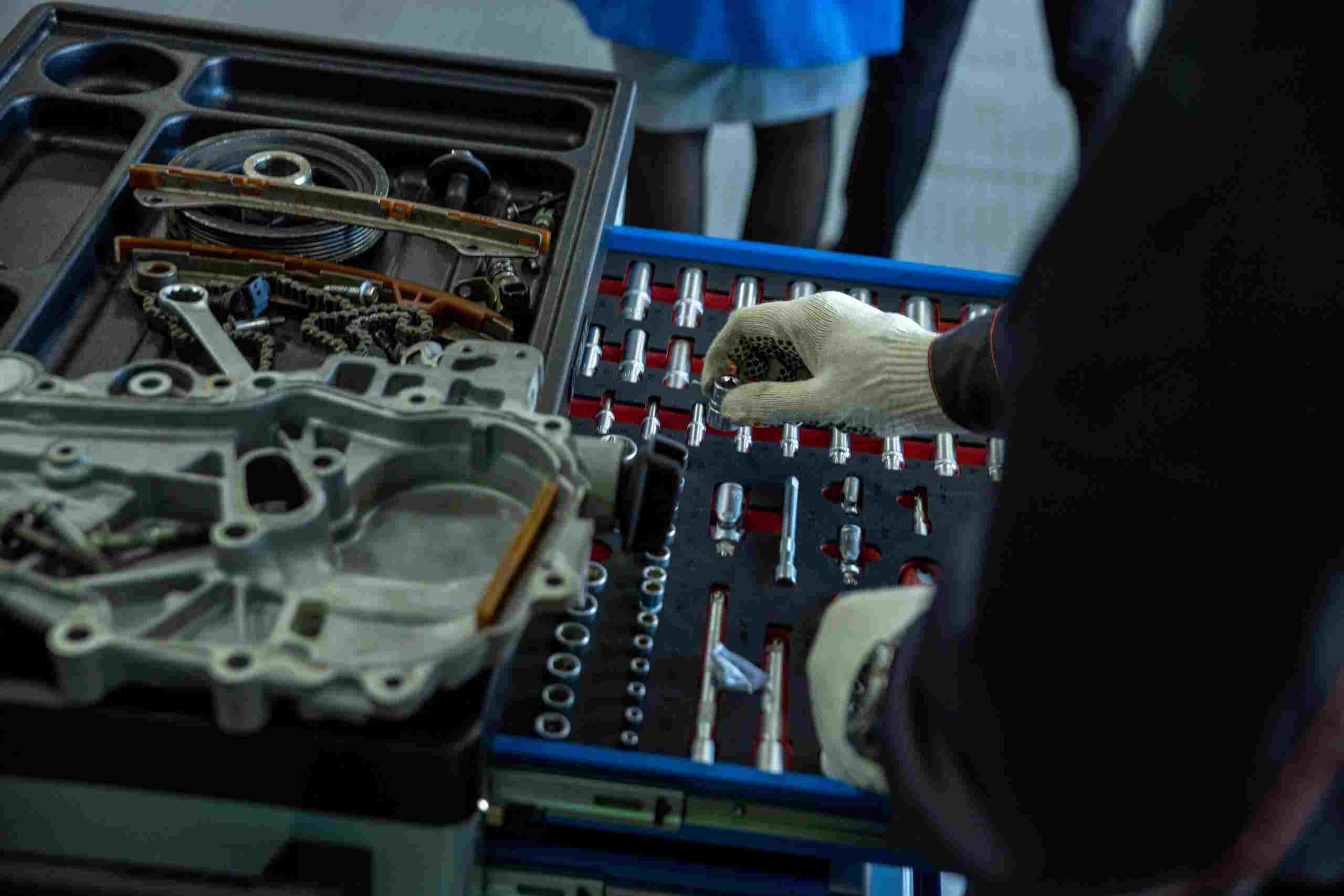
A lending network built for
auto shops
Shop-Specific Underwriting
One Profile, Multiple Offers
No Cost. No Commitment.
Confidential & Discreet
Ready to grow your shop?
Vehicle Painting Equipment Financing: Complete Guide to Funding a Modern Automotive Paint and Collision Facility
The automotive refinishing industry is one of the most specialized sectors of vehicle repair. Whether repairing accident damage, restoring classic cars, repainting commercial fleets, or applying custom finishes, paint and body shops require expensive equipment, specialized facilities, environmental controls, and highly trained technicians.
Because startup and expansion costs can easily reach hundreds of thousands—or even millions—of dollars, many shop owners turn to vehicle painting equipment financing to acquire the tools and technology needed to remain competitive.
This guide explains everything you need to know about automotive paint equipment, facility requirements, startup costs, expansion opportunities, financing options, and how tire equipment loans, tire shop expansion funding, mechanic business financing, and drivetrain repair financing can support a diversified automotive business.
What Is Vehicle Painting Equipment Financing?
Vehicle painting equipment financing helps automotive businesses purchase paint booths, compressors, spray systems, drying equipment, preparation stations, mixing systems, and environmental control equipment.
Financing may be used for:
- New paint booths
- Paint mixing rooms
- Spray guns
- Air compressors
- Prep stations
- Drying systems
- Ventilation equipment
- Shop expansion
- Working capital
- Facility improvements
Most professional paint facilities use vehicle painting equipment financing because equipment costs can quickly become overwhelming.
Why Automotive Painting Is Expensive
Many customers see only the finished paint job.
What they do not see includes:
- Environmental compliance systems
- Air filtration systems
- Paint storage rooms
- Mixing equipment
- Drying technology
- Dust control systems
- Specialized lighting
Modern paint operations require substantial investment before the first vehicle enters the shop.
Types of Automotive Paint Facilities
Small Collision Paint Shop
Typical services:
- Insurance repairs
- Panel repainting
- Bumper refinishing
Startup Cost:
$100,000 to $500,000
Mid-Sized Collision Center
Services include:
- Multiple paint bays
- Full vehicle refinishing
- Fleet work
Startup Cost:
$500,000 to $2 million
High-End Restoration Facility
Specializes in:
- Classic cars
- Show vehicles
- Custom paint projects
Startup Cost:
$1 million to $5 million+
Many of these businesses rely heavily on vehicle painting equipment financing during startup and expansion phases.
Paint Booths: The Largest Equipment Expense
The paint booth is often the centerpiece of the business.
Entry-Level Paint Booth
Cost:
$20,000 to $50,000
Mid-Range Paint Booth
Cost:
$50,000 to $150,000
Premium Downdraft Booth
Cost:
$150,000 to $500,000+
Installation costs can add another:
$20,000 to $100,000+
Most owners finance these purchases through vehicle painting equipment financing programs.
Spray Equipment Requirements
Professional facilities require multiple spray systems.
Common equipment includes:
- Base coat guns
- Clear coat guns
- Primer guns
- Touch-up systems
Typical Cost:
$500 to $5,000 per gun
A professional shop may invest:
$10,000 to $50,000+
in spray equipment alone.
Air Compressor Systems
Paint operations depend on clean, dry compressed air.
Requirements include:
- Industrial compressors
- Air dryers
- Filtration systems
- Air storage tanks
Typical Investment:
$10,000 to $100,000+
Without proper air quality, paint defects become common.
Paint Mixing Rooms
Modern facilities often maintain dedicated mixing rooms.
Features include:
- Climate control
- Ventilation systems
- Fire suppression
- Storage cabinets
Cost Range:
$10,000 to $100,000+
These systems improve accuracy and reduce waste.
Preparation Areas
Vehicle preparation is critical.
Prep areas may include:
- Sanding stations
- Dust extraction systems
- Surface cleaning equipment
- Specialized lighting
Investment:
$5,000 to $50,000+
Environmental Compliance
Paint shops face strict regulations.
Requirements often include:
- Air filtration
- VOC management
- Waste disposal systems
- Hazardous material storage
Compliance costs can range from:
$10,000 to $250,000+
depending on local regulations.
Staffing Requirements
A successful paint facility typically employs:
Paint Technicians
$50,000 to $120,000+
Body Technicians
$50,000 to $120,000+
Estimators
$50,000 to $100,000+
Shop Managers
$75,000 to $150,000+
Experienced painters are among the highest-paid technicians in the automotive industry.
Revenue Opportunities
Paint and refinishing services can be highly profitable.
Common projects include:
Insurance Repairs
$1,000 to $10,000+
Full Repaints
$3,000 to $20,000+
Fleet Refinishing
$5,000 to $100,000+
Custom Paint Jobs
$10,000 to $100,000+
Restoration Projects
$20,000 to $250,000+
Expanding Beyond Paint Services
Many successful paint shops eventually diversify.
Additional services include:
- Mechanical repair
- Tire services
- Drivetrain repair
- Collision reconstruction
Diversification helps stabilize revenue during slower periods.
Tire Department Opportunities
Paint and collision customers frequently need:
- Tire replacement
- Wheel replacement
- Alignments
Adding tire services can significantly increase revenue.
Equipment purchases are often supported by tire equipment loans.
Tire Equipment Needed
Common equipment includes:
| Equipment | Cost |
|---|---|
| Tire Changer | $5,000-$15,000 |
| Wheel Balancer | $5,000-$20,000 |
| Alignment Machine | $20,000-$80,000 |
| TPMS Tools | $2,000-$10,000 |
Many growing facilities use tire equipment loans to build complete service departments.
Tire Shop Expansion Funding
Some collision centers eventually open dedicated tire divisions.
Benefits include:
- Additional profit centers
- Higher customer retention
- Fleet service opportunities
- Increased service capacity
Large projects often utilize tire shop expansion funding to support facility growth.
What Tire Shop Expansion Funding Can Cover
Examples include:
- Additional service bays
- Inventory purchases
- Tire storage facilities
- New locations
- Equipment purchases
Many multi-service automotive facilities leverage tire shop expansion funding as they grow.
Mechanical Repair Opportunities
Many collision facilities discover that customers prefer one-stop service.
Mechanical offerings often include:
- Brake repairs
- Suspension repairs
- Diagnostic services
- Maintenance work
Expanding into these areas often requires mechanic business financing.
Mechanic Business Financing Benefits
Funding may be used for:
- Service lifts
- Diagnostic equipment
- Working capital
- Technician hiring
Many paint facilities use mechanic business financing to become full-service automotive centers.
Drivetrain Services Add Revenue
Transmission and drivetrain repairs can create substantial profits.
Services include:
- Transmission replacement
- Differential repairs
- Transfer case service
- Axle repairs
These projects often command high labor rates.
Drivetrain Repair Financing Opportunities
Specialized equipment may include:
- Transmission lifts
- Diagnostic scanners
- Rebuild tools
- Fluid exchange systems
Many shops utilize drivetrain repair financing to enter this market segment.
Typical Drivetrain Equipment Costs
| Equipment | Cost |
|---|---|
| Transmission Jack | $1,000-$5,000 |
| Diagnostic Scanner | $5,000-$30,000 |
| Rebuild Equipment | $10,000-$50,000 |
| Specialty Tools | $5,000-$25,000 |
Growth into these services often relies on drivetrain repair financing programs.
Example Paint Facility Budget
Mid-Sized Collision and Paint Center
| Category | Cost |
|---|---|
| Paint Booth | $150,000 |
| Air Systems | $50,000 |
| Prep Stations | $40,000 |
| Mixing Room | $30,000 |
| Facility Improvements | $200,000 |
| Working Capital | $100,000 |
Total Investment
$570,000
Typical Investment Breakdown
Example investment categories for a mid-sized vehicle painting and refinishing operation.
Common Mistakes to Avoid
Buying a Booth That’s Too Small
Future growth should be considered immediately.
Ignoring Air Quality
Poor compressed air creates paint defects.
Underestimating Compliance Costs
Environmental regulations can be significant.
Hiring Inexperienced Painters
Quality directly affects profitability.
Failing to Diversify
Additional services often improve long-term stability.
Internal Links
Consider linking internally to:
- Collision Repair Financing
- Auto Body Shop Equipment Loans
- Commercial Garage Expansion Loans
- Tire Shop Business Financing
- Automotive Working Capital Solutions
External Resources
Helpful resources include:
- Automotive Service Association (ASA)
- Occupational Safety and Health Administration (OSHA)
- U.S. Environmental Protection Agency (EPA)
- U.S. Small Business Administration (SBA)
Final Thoughts
Modern automotive paint operations require far more than spray guns and paint booths. Successful facilities need environmental controls, compressed air systems, preparation areas, trained technicians, compliance programs, and sufficient working capital to support daily operations. Startup costs can range from a few hundred thousand dollars to several million dollars depending on the size and scope of the operation.
Strategic use of vehicle painting equipment financing, tire equipment loans, tire shop expansion funding, mechanic business financing, and drivetrain repair financing can help business owners build diversified automotive operations while preserving cash flow. Whether your goal is opening a collision center, expanding a refinishing facility, or creating a full-service automotive business, the right financing strategy can provide the resources needed for sustainable growth and long-term profitability.
Tire Shop Expansion Funding: What It Takes to Grow from a 4-Bay Shop to a 10-Bay Tire Center
Expanding a tire business is often one of the fastest ways to increase revenue, improve customer retention, and build long-term company value. Many successful tire shop owners eventually reach a point where their current facility can no longer handle customer demand. Long wait times, crowded parking lots, overloaded technicians, and missed sales opportunities are all signs that expansion may be necessary.
For many growing businesses, tire shop expansion funding provides the capital needed to transform a small operation into a regional service center. Whether the goal is adding service bays, increasing inventory, improving customer experience, or introducing new services, proper planning is critical.
This guide explains everything involved in expanding a 4-bay tire shop into a 10-bay operation, including construction costs, equipment needs, staffing requirements, inventory expansion, financing options, and long-term revenue potential.
Why Tire Shops Expand
Most tire businesses expand because demand exceeds capacity.
Common signs include:
- Customers waiting days for appointments
- Technicians working at maximum capacity
- Limited parking
- Insufficient tire inventory storage
- Lost fleet opportunities
- Limited alignment capabilities
When a shop consistently turns away work, expansion often becomes more profitable than remaining the same size.
Many owners use tire shop expansion funding to accelerate growth rather than waiting years to accumulate cash reserves.
Example Shop Profile
Let’s examine a typical independent tire shop.
Current Shop
- 4 service bays
- 5,000 square feet
- 6 employees
- Annual revenue: $1.2 million
- Tire inventory: 1,500 units
Expanded Shop
- 10 service bays
- 12,000 square feet
- 15 employees
- Tire inventory: 4,000 units
- Fleet service department
- Alignment department
This type of growth can dramatically increase annual revenue and business valuation.
Building Expansion Costs
The largest expense is usually construction.
Commercial Automotive Construction Costs
| Type | Cost Per Sq Ft |
|---|---|
| Basic Construction | $125-$175 |
| Mid-Range Construction | $175-$250 |
| Premium Construction | $250-$400 |
Adding 7,000 square feet:
Low End
7,000 × $125
= $875,000
Mid-Range
7,000 × $200
= $1.4 million
Premium
7,000 × $300
= $2.1 million
Most projects rely on mechanic business financing to support these substantial investments.
Additional Service Bays
Expanding from 4 to 10 bays requires six new service stations.
Each bay generally includes:
- Vehicle lift
- Tire changer
- Wheel balancer
- Air system connections
- Tool storage
- Computer workstation
Average investment per bay:
$20,000 to $50,000
Total:
$120,000 to $300,000
Many owners use tire equipment loans to acquire these assets.
Tire Equipment Requirements
A larger shop needs more equipment.
Tire Changers
$5,000-$15,000 each
Wheel Balancers
$5,000-$20,000 each
Road Force Balancers
$10,000-$30,000 each
TPMS Equipment
$2,000-$10,000
Alignment Machines
$20,000-$80,000
These purchases are frequently financed using tire equipment loans because they directly generate revenue.
Tire Inventory Growth
One of the biggest expansion costs is inventory.
Current inventory:
1,500 tires
Expanded inventory:
4,000 tires
Average wholesale tire cost:
$140
Additional inventory investment:
2,500 × $140
= $350,000
Inventory often becomes one of the largest capital requirements during growth.
Warehouse and Storage Needs
A larger inventory requires additional space.
Typical additions include:
- Tire racking systems
- Warehouse shelving
- Inventory software
- Forklifts
- Storage cages
Storage improvements may cost:
$25,000 to $150,000
Customer Waiting Areas
Modern consumers expect more than folding chairs and a coffee machine.
Expanded facilities often add:
- Comfortable seating
- Wi-Fi
- Workstations
- Children’s areas
- Refreshment stations
Typical investment:
$20,000 to $100,000
Fleet Service Opportunities
One of the biggest reasons to expand is fleet work.
Potential clients include:
- Delivery companies
- Utility providers
- Construction companies
- Government fleets
- School districts
Fleet contracts can add hundreds of thousands of dollars in annual revenue.
This is one reason lenders frequently approve tire shop expansion funding projects.
Adding Mechanical Services
Many tire shops evolve into complete automotive service centers.
Common additions include:
- Brake repairs
- Suspension work
- Steering repairs
- Oil changes
- Diagnostics
Growth into these services often requires mechanic business financing.
Why Mechanical Services Increase Profitability
Mechanical repairs generally provide:
- Higher labor margins
- Additional customer retention
- More repeat business
- Better fleet opportunities
Many expanding tire centers use mechanic business financing to purchase lifts, tools, and diagnostic systems.
Vehicle Appearance Services
Many growing facilities eventually add:
- Paint correction
- Touch-up services
- Wheel refinishing
- Cosmetic repairs
Some larger operations even add collision and paint services.
These projects often involve vehicle painting equipment financing.
Paint Equipment Costs
Adding refinishing services may require:
Paint Booth
$50,000-$250,000
Air Systems
$10,000-$50,000
Spray Equipment
$5,000-$25,000
Prep Stations
$10,000-$50,000
Many operators use vehicle painting equipment financing to enter these markets without major cash outlays.
Drivetrain and Transmission Services
As shops grow, higher-ticket repair opportunities become attractive.
Examples include:
- Transmission replacement
- Differential repairs
- CV axle replacement
- Transfer case repairs
These services can generate significantly higher ticket averages than tire sales alone.
Expansion into these areas frequently utilizes drivetrain repair financing.
Equipment for Drivetrain Repairs
Examples include:
- Transmission jacks
- Specialty lifts
- Scan tools
- Fluid exchange machines
Investment:
$25,000 to $150,000+
Many businesses use drivetrain repair financing to support these upgrades.
Staffing Requirements
A 10-bay shop requires substantially more labor.
Current Shop
- 4 technicians
- 1 service advisor
- 1 manager
Expanded Shop
- 10 technicians
- 2 service advisors
- 1 manager
- 1 inventory specialist
- 1 fleet coordinator
Annual payroll increases can exceed:
$500,000 to $1 million
Technology Upgrades
Larger facilities need stronger technology systems.
Examples include:
- Point-of-sale software
- Inventory management
- Fleet scheduling
- Customer communication tools
- Digital inspections
Technology investments improve efficiency and customer satisfaction.
Revenue Potential
A 4-bay tire shop might generate:
$1.2 million annually
A properly managed 10-bay operation could generate:
$3 million to $6 million+
depending on services offered and market conditions.
Expansion Budget Example
| Category | Cost |
| Building Expansion | $1,400,000 |
| Tire Equipment | $200,000 |
| Inventory Increase | $350,000 |
| Technology | $50,000 |
| Working Capital | $200,000 |
| Staffing Ramp-Up | $150,000 |
Total Project Cost
$2.35 Million
Estimated Expansion Cost Breakdown
Internal Links
Consider linking internally to:
- Tire Shop Business Loans
- Tire Equipment Financing
- Auto Repair Shop Expansion Loans
- Fleet Maintenance Financing
- Working Capital for Automotive Businesses
External Resources
Useful resources include:
- SBA Business Expansion Programs
- Tire Industry Association (TIA)
- Automotive Service Association (ASA)
- National Federation of Independent Business (NFIB)
Final Thoughts
Growing from a 4-bay tire shop to a 10-bay automotive service center is a major undertaking, but it can dramatically increase revenue, customer capacity, and long-term business value. Expansion requires careful planning, significant capital investment, and a clear understanding of future demand.
Strategic use of tire shop expansion funding, tire equipment loans, vehicle painting equipment financing, mechanic business financing, and drivetrain repair financing allows business owners to build a more diversified and profitable operation while preserving cash flow. When properly executed, an expansion of this size can transform a small local tire shop into a regional automotive service destination.