
COLLISION SHOP FUNDING IS AVAILABLE
AUTO REPAIR FINANCING MATCHING SERVICE
Get matched with lenders that specialize
in auto shop financing
- Soft credit pull
- No cost to you
- Private & secure
Soft Credit Pull
No Cost to You
Industry Specialists
One Application
Loan Programs
Financing for every shop need
Affiliate Disclosure: We are an affiliate marketing website and may receive compensation from lending partners. We are not a lender, do not make credit decisions, and do not guarantee approval. Loan terms and rates are determined by individual lenders.
Equipment Financing
Working Capital
Shop Build-Out & Expansion
Acquisition Loans
Fast Cash Advances
Commercial Real Estate
How It Works
A simple, confidential four-step
process
Apply once. We connect you with specialty lenders. You compare offers privately. You decide.
Tell Us About Your Shop
Get Matched
Compare Offers
Fund & Get Back to Work
Estimate Your Monthly Payment
Move the sliders to see how loan amount, term, and rate shape your monthly cost. Illustrative estimates only — your actual offer depends on your matched lender.
Rate slider is for illustration only. Actual rates vary by shop type, time in business, monthly revenue, lender, and credit profile.
Illustrative estimates only. Not an offer of credit. Actual terms determined by lender.
Who We Serve
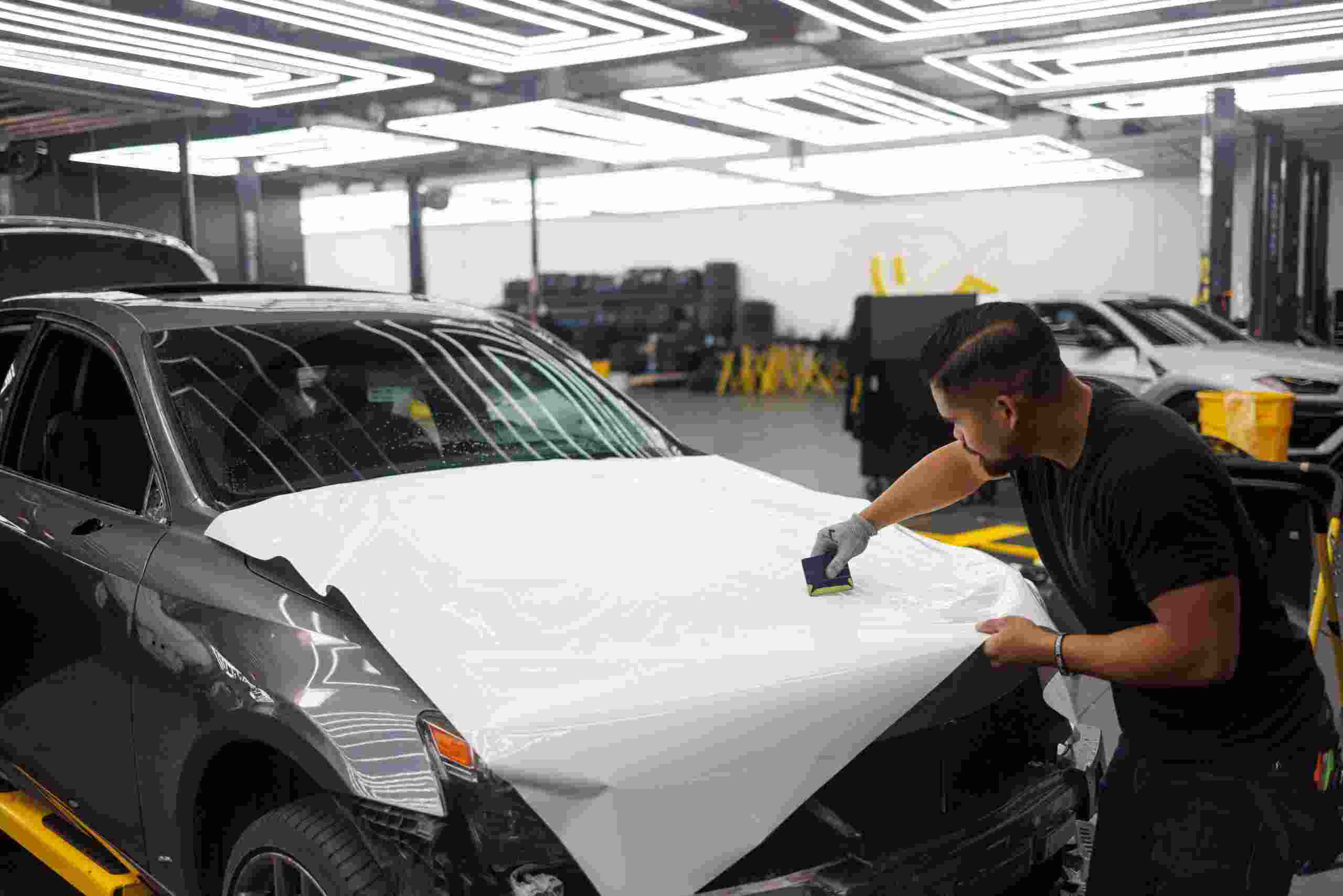
Financing for every shop type
General Auto Repair
Body & Collision
Tire Shops
Quick Lube
Transmission
Auto Detailing
Fleet Service
Multi-Location
A lending network built for
auto shops
Shop-Specific Underwriting
One Profile, Multiple Offers
No Cost. No Commitment.
Confidential & Discreet
Ready to grow your shop?
Collision Shop Funding: The Complete Guide to Financing, Equipment, Growth, and Profitability
Collision repair shops represent one of the most specialized sectors of the automotive industry. Every year, millions of vehicles require repairs resulting from accidents, weather damage, parking lot incidents, hail damage, vandalism, and other forms of physical damage. Modern vehicles are more complex than ever, requiring advanced equipment, trained technicians, specialized software, and significant capital investment.
Whether you’re starting a collision center, purchasing an existing operation, expanding your current facility, or preparing for electric vehicle repairs, access to capital can make the difference between success and stagnation. This is where Collision shop funding becomes a critical business tool.
This guide explains everything you need to know about financing a collision repair business, including startup costs, equipment requirements, facility needs, staffing, technology investments, and future opportunities.
What Is Collision Shop Funding?
Collision shop funding refers to financing solutions designed specifically for businesses that repair damaged vehicles.
Funding may be used for:
- Building construction
- Equipment purchases
- Paint booths
- Frame machines
- ADAS calibration systems
- Working capital
- Staffing
- Technology upgrades
Many successful operators use Collision shop funding to preserve cash flow while investing in business growth.
Why Collision Repair Remains Strong
Regardless of economic conditions, vehicle accidents continue to occur.
Demand is driven by:
- Traffic accidents
- Weather-related damage
- Insurance claims
- Fleet repairs
- Commercial vehicle damage
The average collision repair ticket has increased significantly due to vehicle complexity.
Modern repairs often require:
- Structural repairs
- Paint matching
- Sensor calibration
- Electronic diagnostics
This creates strong long-term demand for professional collision centers.
Startup Costs for a Collision Shop
Opening a collision facility can require substantial investment.
Small Independent Shop
2-4 bays
Estimated cost:
$250,000 to $750,000
Mid-Sized Collision Center
5-10 bays
Estimated cost:
$1 million to $5 million
Large Regional Facility
10+ bays
Estimated cost:
$5 million to $20 million+
Many entrepreneurs utilize Collision shop funding to cover these startup expenses.
Essential Collision Repair Equipment
Equipment represents one of the largest expenses.
Paint Booths
Cost:
$50,000 to $250,000+
Frame Machines
Cost:
$25,000 to $150,000+
Welders
Cost:
$5,000 to $50,000
Measuring Systems
Cost:
$10,000 to $100,000+
ADAS Calibration Equipment
Cost:
$20,000 to $150,000+
Paint Mixing Systems
Cost:
$10,000 to $100,000+
The total equipment investment often exceeds several hundred thousand dollars.
How to Finance an Auto Repair Shop
Many collision shop owners begin by researching how to finance an auto repair shop before opening their first location.
Common financing options include:
- Equipment financing
- Commercial loans
- SBA loans
- Working capital loans
- Real estate financing
Understanding how to finance an auto repair shop helps owners create realistic budgets and growth plans.
Facility Requirements
Collision centers require significantly more space than many general repair shops.
Typical facility features include:
- Repair bays
- Paint booth area
- Vehicle storage
- Customer reception
- Parts storage
- Calibration area
Most facilities require:
5,000 to 50,000+ square feet
depending on production volume.
Garage Building Loans for New Facilities
Many collision operators eventually purchase land or construct custom facilities.
Benefits include:
- Property ownership
- Equity growth
- Expansion flexibility
- Long-term cost stability
These projects often utilize garage building loans.
Typical projects funded through garage building loans include:
- New collision centers
- Paint facilities
- Multi-location expansions
- Mixed-use automotive properties
Staffing Requirements
A collision center may employ:
| Position | Quantity |
|---|---|
| Body Technicians | 3-20 |
| Painters | 1-10 |
| Estimators | 1-5 |
| Office Staff | 1-5 |
| Managers | 1-3 |
Payroll often becomes one of the largest ongoing expenses.
Technology Is Transforming Collision Repair
Modern vehicles contain advanced electronics.
Common technology investments include:
- Digital estimating systems
- Paint matching software
- Calibration platforms
- Customer communication software
- Workflow management systems
Technology increasingly drives profitability.
Dent Repair Equipment Financing
Many collision facilities offer paintless dent repair services.
Required equipment may include:
- Dent removal systems
- LED inspection lighting
- Specialized tools
- Mobile repair equipment
These investments often require dent repair equipment financing.
Adding dent repair services can create an additional profit center.
Why Dent Repair Equipment Financing Matters
Paintless dent repair continues growing due to:
- Hail damage claims
- Minor collision repairs
- Lease return preparation
- Retail customer demand
Many operators use dent repair equipment financing to enter this market without major upfront cash expenditures.
Electric Vehicles Are Changing the Industry
Electric vehicles present unique repair challenges.
Common requirements include:
- High-voltage safety equipment
- Battery diagnostic systems
- Specialized training
- EV repair bays
Many collision operators now pursue EV service center financing.
EV Service Center Financing and Future Growth
As EV adoption increases, collision facilities must adapt.
Investments may include:
| Equipment | Estimated Cost |
| Battery Diagnostic Systems | $10,000-$100,000 |
| High Voltage Safety Equipment | $2,000-$25,000 |
| Technician Training | $5,000-$50,000 |
| Charging Infrastructure | $10,000-$250,000 |
Many businesses use EV service center financing to prepare for future demand.
Forward-thinking owners increasingly view EV capability as a competitive advantage.
Revenue Potential
Collision repair remains highly profitable when managed effectively.
Typical annual revenue:
| Shop Type | Revenue Range |
| Small Shop | $500,000-$2 Million |
| Mid-Sized Shop | $2 Million-$10 Million |
| Large Facility | $10 Million-$50 Million+ |
Insurance relationships often drive significant business volume.
Estimated Startup Investment Breakdown
Common Mistakes to Avoid
Underestimating Equipment Costs
Collision equipment is expensive and highly specialized.
Ignoring EV Trends
Electric vehicles will continue growing.
Purchasing Insufficient Space
Future expansion should be considered.
Neglecting Technology
Modern repairs require advanced software and calibration systems.
Poor Cash Flow Planning
Insurance reimbursements can create delays.
Future Industry Trends
Several developments are shaping the future.
Electric Vehicles
Repair procedures continue evolving.
ADAS Systems
Calibration services are becoming essential.
Consolidation
Large collision chains continue acquiring smaller facilities.
Artificial Intelligence
Estimating software is becoming more sophisticated.
Increased Vehicle Complexity
Repair requirements continue growing.
Internal Links
Consider linking internally to:
- Collision Shop Funding
- How to Finance an Auto Repair Shop
- EV Service Center Financing
- Dent Repair Equipment Financing
- Garage Building Loans
- Auto Body Shop Equipment Financing
- Paint Booth Financing
External Resources
Helpful resources include:
- National Auto Body Council (NABC)
- Society of Collision Repair Specialists (SCRS)
- U.S. Small Business Administration (SBA)
- Occupational Safety and Health Administration (OSHA)
Final Thoughts
The collision repair industry offers significant opportunities for entrepreneurs willing to invest in equipment, technology, training, and facilities. However, startup and expansion costs can be substantial, often reaching hundreds of thousands or even millions of dollars. Success depends on proper planning, skilled technicians, strong insurance relationships, and access to capital.
Strategic use of Collision shop funding, combined with understanding how to finance an auto repair shop, can help owners build profitable and sustainable businesses. As facilities expand, EV service center financing, dent repair equipment financing, and garage building loans can provide the resources necessary to remain competitive and meet the evolving demands of modern vehicle repair.
EV Service Center Financing: Everything You Need to Know About Building an Electric Vehicle Repair Business
Electric vehicles are transforming the automotive industry faster than any technology shift since the invention of the internal combustion engine. Manufacturers are investing billions into EV production, governments are supporting charging infrastructure, and consumers are increasingly adopting electric transportation.
For automotive entrepreneurs, this transition creates a major opportunity. However, servicing electric vehicles is significantly different from repairing gasoline-powered vehicles. EV repair centers require specialized equipment, extensive technician training, unique facility designs, and substantial capital investment.
Because startup costs can be high, many business owners utilize EV service center financing to build and expand facilities capable of servicing modern electric vehicles.
This guide explains how EV repair shops differ from traditional repair facilities, the equipment required, startup costs, revenue opportunities, and financing strategies.
What Is EV Service Center Financing?
EV service center financing refers to funding designed specifically for businesses that service electric vehicles.
Financing may be used for:
- Diagnostic equipment
- Charging infrastructure
- Battery testing systems
- Facility upgrades
- Technician training
- Safety equipment
- Working capital
- Property acquisition
Many operators utilize EV service center financing to spread startup costs over several years while immediately entering the growing EV marketplace.
How EV Shops Are Different
Traditional repair shops focus heavily on:
- Engines
- Transmissions
- Fuel systems
- Exhaust systems
- Cooling systems
Electric vehicles eliminate many of these components.
Instead, EV repair centers focus on:
- Battery systems
- Electric motors
- Inverters
- Charging systems
- High-voltage electronics
- Software diagnostics
This requires an entirely different approach to service and technician training.
Why EV Demand Is Growing
Major manufacturers continue expanding EV production.
Examples include:
- Tesla
- Ford
- General Motors
- Hyundai
- Kia
- Rivian
- Lucid
- BMW
- Mercedes-Benz
As EV ownership increases, demand for qualified service centers will continue expanding.
Many business owners view EV service center financing as a long-term investment in the future of transportation.
High-Voltage Safety Requirements
One of the biggest differences between EV and traditional repair facilities is safety.
EV battery systems may operate between:
400 and 800 volts
Improper handling can create serious risks.
Required safety equipment often includes:
- High-voltage gloves
- Arc flash protection
- Face shields
- Insulated tools
- Lockout systems
Estimated investment:
$2,000 to $25,000+
Battery Diagnostic Equipment
Battery systems represent the most expensive component in most EVs.
Repair facilities often purchase:
- Battery analyzers
- Cell testing equipment
- Thermal imaging cameras
- Battery balancing systems
Estimated costs:
| Equipment | Cost Range |
|---|---|
| Battery Analyzer | $5,000-$50,000 |
| Thermal Camera | $2,000-$20,000 |
| Battery Testing Platform | $10,000-$100,000 |
These investments frequently require EV service center financing due to their substantial costs.
Vehicle Diagnostic Systems
Modern electric vehicles are heavily software-driven.
Required technology often includes:
- OEM scan tools
- Programming equipment
- Diagnostic subscriptions
- Calibration platforms
Many operators combine these purchases with how to finance an auto repair shop planning strategies during startup.
How to Finance an Auto Repair Shop for EV Services
When researching how to finance an auto repair shop, many entrepreneurs discover that EV facilities require significantly more technology than traditional repair centers.
Funding may be used for:
- Diagnostic software
- Battery testing equipment
- Technician certifications
- Facility modifications
Understanding how to finance an auto repair shop properly can prevent costly cash flow challenges during startup.
Charging Infrastructure
Most EV service centers install charging systems.
Common options include:
Level 2 Chargers
Cost:
$2,000-$15,000
DC Fast Chargers
Cost:
$50,000-$250,000+
Charging stations provide:
- Vehicle testing capabilities
- Customer convenience
- Additional revenue opportunities
Facility Modifications
Many existing garages require upgrades.
Common improvements include:
- Electrical service upgrades
- Dedicated battery work areas
- Safety zones
- Charging stations
- Ventilation improvements
Expansion projects often require garage building loans.
Garage Building Loans for EV Expansion
Many EV service centers outgrow traditional facilities.
Projects funded through garage building loans may include:
- New construction
- Facility expansions
- EV charging installations
- Specialized battery repair centers
Modern EV facilities often require more electrical infrastructure than traditional repair shops.
Technician Training
Technology alone is not enough.
Technicians require specialized certifications.
Training may include:
- High-voltage safety
- Battery diagnostics
- EV repair procedures
- OEM certification programs
Training costs can range from:
$2,000 to $25,000 per technician
Collision Repairs on EVs
Many electric vehicles involved in accidents require specialized repair procedures.
Battery inspections are often required after collisions.
This creates opportunities for businesses utilizing Collision shop funding.
Collision Shop Funding and EV Repair
Collision centers increasingly service electric vehicles.
Additional requirements may include:
- Battery inspection tools
- High-voltage safety equipment
- Specialized repair procedures
Many operators use Collision shop funding when adding EV capabilities to existing collision facilities.
Dent Repair Services
Many EV owners seek cosmetic repair services.
Paintless dent repair remains popular because it preserves original finishes.
Equipment purchases may require dent repair equipment financing.
Dent Repair Equipment Financing for EV Facilities
EV owners often maintain vehicles meticulously.
Services frequently include:
- Paintless dent repair
- Cosmetic restoration
- Lease-return preparation
Many facilities use dent repair equipment financing to add profitable cosmetic services alongside mechanical repairs.
Example EV Service Center Startup Budget
| Category | Estimated Cost |
| Battery Equipment | $100,000 |
| Diagnostic Systems | $75,000 |
| Charging Infrastructure | $150,000 |
| Facility Improvements | $100,000 |
| Training | $50,000 |
| Safety Equipment | $25,000 |
Estimated Total:
$500,000+
Larger facilities may exceed several million dollars.
Estimated EV Startup Investment
Revenue Opportunities
EV service centers may generate revenue from:
- Battery diagnostics
- Battery replacement
- Charging system repairs
- Software updates
- Tire services
- Suspension repairs
- Cosmetic repairs
Many of these services command premium pricing due to limited competition.
Common Mistakes to Avoid
Underestimating Training Costs
Certification is essential.
Ignoring Electrical Infrastructure
Power upgrades can be expensive.
Delaying EV Preparation
Market demand continues increasing.
Purchasing Generic Equipment
OEM compatibility matters.
Failing to Market EV Services
Many EV owners actively seek qualified repair facilities.
Future Industry Trends
Several trends will continue driving growth.
Battery Technology Improvements
Repair procedures will evolve.
Charging Network Expansion
Infrastructure investments will increase.
Fleet Electrification
Commercial operators are adopting EVs.
Software-Based Repairs
Vehicle updates increasingly occur digitally.
Independent EV Service Centers
Demand for non-dealer repair options continues growing.
Internal Links
Consider linking internally to:
- EV Service Center Financing
- How to Finance an Auto Repair Shop
- Collision Shop Funding
- Dent Repair Equipment Financing
- Garage Building Loans
- EV Charging Equipment Financing
- Vehicle Diagnostic System Financing
External Resources
Helpful resources include:
- U.S. Department of Energy Alternative Fuels Data Center
- National Renewable Energy Laboratory (NREL)
- National Institute for Automotive Service Excellence (ASE)
- U.S. Small Business Administration (SBA)
Final Thoughts
Electric vehicle service centers represent one of the fastest-growing opportunities in the automotive industry. However, they require significantly different equipment, training, safety procedures, and infrastructure than traditional repair shops. Battery systems, charging equipment, software diagnostics, and high-voltage safety requirements create unique startup and operational challenges.
Strategic use of EV service center financing can help entrepreneurs acquire the specialized equipment necessary to compete in this growing market. When combined with knowledge of how to finance an auto repair shop, along with access to Collision shop funding, dent repair equipment financing, and garage building loans, business owners can build modern EV repair facilities that are positioned for long-term success as electric vehicle adoption continues accelerating.