
VEHICLE REPAIR SHOP FINANCING
AUTO REPAIR FINANCING MATCHING SERVICE
Get matched with lenders that specialize
in auto shop financing
- Soft credit pull
- No cost to you
- Private & secure
Soft Credit Pull
No Cost to You
Industry Specialists
One Application
Loan Programs
Financing for every shop need
Affiliate Disclosure: We are an affiliate marketing website and may receive compensation from lending partners. We are not a lender, do not make credit decisions, and do not guarantee approval. Loan terms and rates are determined by individual lenders.
Equipment Financing
Working Capital
Shop Build-Out & Expansion
Acquisition Loans
Fast Cash Advances
Commercial Real Estate
How It Works
A simple, confidential four-step
process
Apply once. We connect you with specialty lenders. You compare offers privately. You decide.
Tell Us About Your Shop
Get Matched
Compare Offers
Fund & Get Back to Work
Estimate Your Monthly Payment
Move the sliders to see how loan amount, term, and rate shape your monthly cost. Illustrative estimates only — your actual offer depends on your matched lender.
Rate slider is for illustration only. Actual rates vary by shop type, time in business, monthly revenue, lender, and credit profile.
Illustrative estimates only. Not an offer of credit. Actual terms determined by lender.
Who We Serve
Financing for every shop type
General Auto Repair
Body & Collision
Tire Shops
Quick Lube
Transmission
Auto Detailing
Fleet Service
Multi-Location
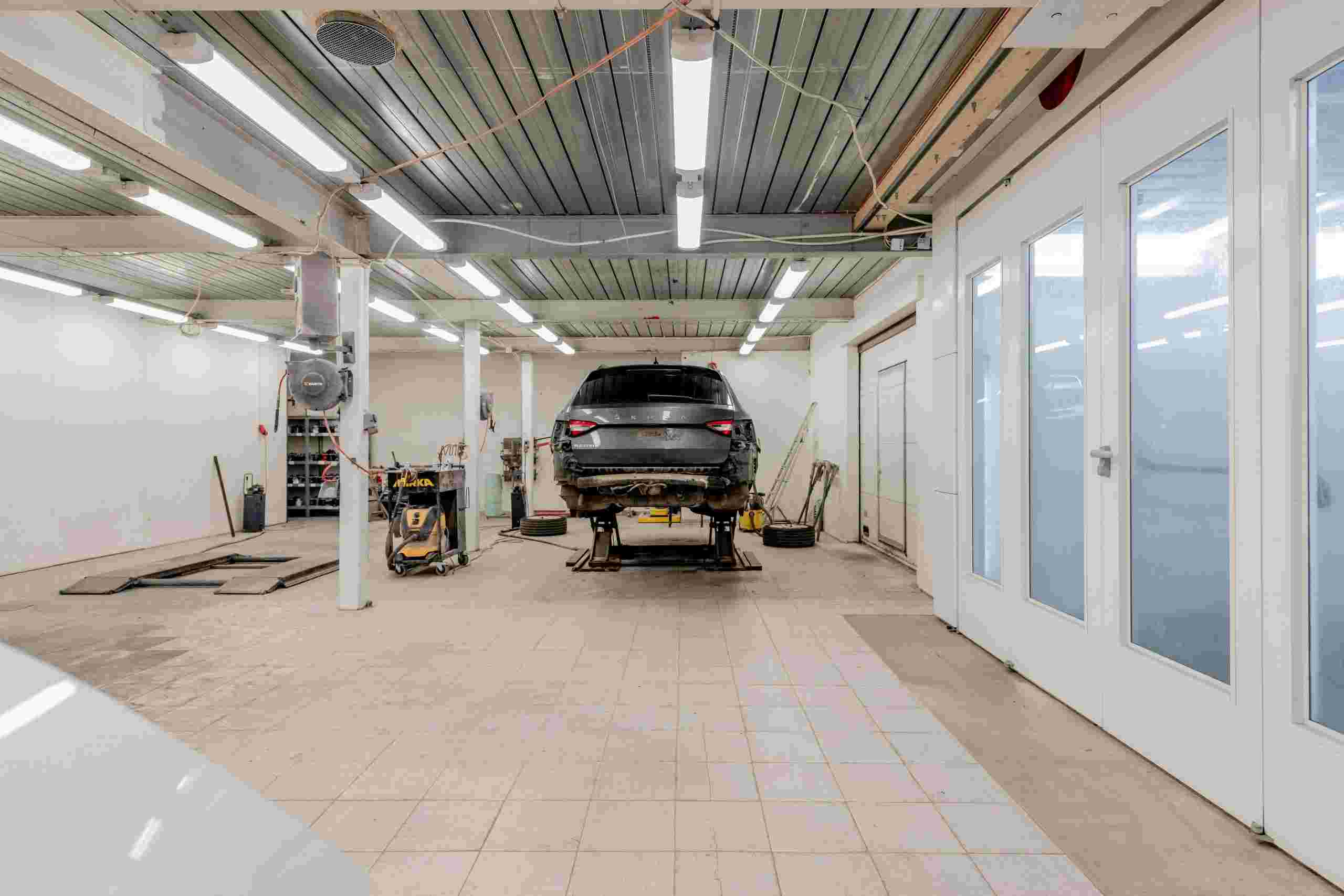
A lending network built for
auto shops
Shop-Specific Underwriting
One Profile, Multiple Offers
No Cost. No Commitment.
Confidential & Discreet
Ready to grow your shop?
Vehicle Repair Shop Financing: Complete Guide for Body Shop Owners
The collision repair industry continues to be one of the most important segments of the automotive service market. Every year, millions of vehicles require body repairs resulting from accidents, weather damage, vandalism, and everyday wear and tear. For entrepreneurs looking to enter the industry or expand an existing operation, vehicle repair shop financing can provide the capital needed to purchase equipment, renovate facilities, hire technicians, and support long-term growth.
Unlike a general repair facility, a body shop requires specialized equipment, extensive floor space, paint systems, and highly trained technicians. Startup costs can range from a few hundred thousand dollars to several million dollars depending on the size of the operation. Understanding these costs and financing options can help owners build a successful and profitable business.
Why Body Shops Require Significant Capital
Body shops differ from traditional repair facilities because they handle structural repairs, paint work, refinishing, and cosmetic restoration.
Common services include:
- Collision repair
- Frame straightening
- Dent repair
- Paint refinishing
- Glass replacement
- ADAS calibration
- Structural repairs
- Insurance claim work
Many owners use vehicle repair shop financing because the equipment required is expensive and often difficult to purchase outright.
Small Body Shop Example
A small startup collision center might include:
- 4 repair bays
- 5,000 square feet
- 4 to 6 employees
- One paint booth
- One frame machine
Estimated Startup Costs
| Category | Estimated Cost |
|---|---|
| Facility Improvements | $75,000 |
| Paint Booth | $100,000 |
| Frame Machine | $50,000 |
| Tools | $30,000 |
| Diagnostic Equipment | $25,000 |
| Working Capital | $75,000 |
| Total | $355,000 |
Many startups use vehicle repair shop financing to preserve cash while acquiring essential equipment.
Medium-Sized Body Shop
A growing collision center typically includes:
- 8 to 12 bays
- 10,000 to 15,000 square feet
- Multiple painters
- Dedicated estimating area
- Customer waiting room
Typical investment:
$1 million to $3 million
Revenue often exceeds:
$2 million to $5 million annually.
Large Regional Collision Center
Large facilities may include:
- 20+ repair bays
- Multiple paint booths
- Dedicated aluminum repair areas
- ADAS calibration departments
- Fleet repair contracts
Investment requirements frequently exceed:
$5 million to $15 million.
Major Equipment Requirements
Paint Booths
Paint booths are among the largest investments.
Typical costs:
| Paint Booth Type | Cost |
| Entry-Level | $50,000 – $100,000 |
| Mid-Level | $100,000 – $200,000 |
| Premium | $200,000 – $500,000+ |
Frame Machines
Structural repairs require:
- Frame racks
- Pulling towers
- Measuring systems
Cost:
$25,000 – $250,000+
Welding Equipment
Modern vehicles require:
- MIG welders
- Spot welders
- Aluminum welders
Cost:
$10,000 – $75,000
Paint Mixing Systems
Cost:
$5,000 – $30,000
Diagnostic Technology
Today’s vehicles contain sophisticated electronics.
Repair facilities often require:
- OEM scan tools
- ADAS calibration equipment
- Radar calibration systems
- Camera alignment systems
Many body shops utilize automotive funding solutions to purchase these systems because technology changes rapidly.
Diagnostic investments can range from:
$20,000 to $250,000.
Insurance Relationships
Insurance companies generate a large percentage of body shop revenue.
Many successful operators pursue:
- Direct repair program relationships
- Fleet contracts
- Commercial accounts
Strong insurer relationships often improve revenue consistency and cash flow.
Facility Acquisition and Expansion
Many collision centers begin by leasing space before eventually purchasing their own facilities.
Buying property can provide:
- Long-term stability
- Equity growth
- Greater operational control
Owners frequently work with automotive financing companies when financing facility acquisitions, renovations, and expansions.
Property costs vary dramatically by location.
Small Market
$300,000 – $1 million
Mid-Sized City
$1 million – $5 million
Major Metro Area
$5 million – $20 million+
Tire Equipment Opportunities
Many collision repairs require:
- Tire replacement
- Wheel balancing
- Alignments
Body shops frequently add tire departments to increase revenue.
Purchasing tire equipment often involves tire changer financing to acquire:
- Tire changers
- Wheel balancers
- Alignment equipment
- Tire inventory
Equipment investments may range from:
$20,000 to $200,000.
Staffing Requirements
A successful collision center requires skilled personnel.
Small Shop
- 2 Body Technicians
- 1 Painter
- 1 Estimator
- 1 Office Employee
Medium Shop
- 8 Technicians
- 2 Painters
- 2 Estimators
- Production Manager
Large Shop
- 20+ Technicians
- Multiple Paint Teams
- Quality Control Personnel
- Dedicated Management Staff
Finding and retaining qualified technicians remains one of the industry’s biggest challenges.
Working Capital Needs
Collision repair businesses often experience delays in insurance reimbursements.
This creates cash flow challenges involving:
- Payroll
- Parts purchases
- Rent
- Utilities
- Marketing
Many owners utilize auto repair capital providers to secure working capital for daily operations.
Working capital requirements may range from:
$50,000 to several million dollars depending on company size.
Revenue Potential
Collision repair work often produces high average repair orders.
Examples:
| Repair Type | Typical Ticket |
| Minor Damage | $1,000 – $3,000 |
| Moderate Damage | $3,000 – $8,000 |
| Structural Repair | $8,000 – $25,000+ |
Higher repair values often justify substantial equipment investments.
Typical Investment Breakdown
Financing Options Available
Several financing products are commonly used by body shop owners.
Equipment Financing
Useful for:
- Paint booths
- Frame machines
- Welders
- Compressors
SBA Loans
Suitable for:
- Business acquisitions
- Expansion projects
- Facility purchases
Commercial Real Estate Loans
Used for purchasing buildings and property.
Working Capital Financing
Supports:
- Payroll
- Inventory
- Marketing
- Seasonal fluctuations
Many owners combine multiple funding sources to create a complete financing package.
Growth Opportunities
Successful body shops frequently expand into:
- Fleet repair
- Glass replacement
- Paintless dent repair
- ADAS calibration
- Commercial vehicle repairs
- Detailing services
Expansion often creates additional revenue streams while maximizing facility utilization.
Internal Links
Suggested internal links for AutoShopLend.com:
- Collision Repair Equipment Financing
- Frame Machine Financing
- Tire Changer Financing
- Auto Shop Real Estate Financing
- Automotive Working Capital Loans
- Garage Acquisition Financing
- Commercial Auto Repair Loans
External Links
Helpful industry resources:
- Automotive Service Association (ASA)
- I-CAR Training Organization
- National Institute for Automotive Service Excellence (ASE)
- U.S. Small Business Administration (SBA)
Choosing the Right Funding Partner
Not every lender understands collision repair operations. Experienced automotive financing companies often provide programs tailored to equipment purchases, facility expansions, and acquisition opportunities. Likewise, specialized auto repair capital providers may offer faster approvals and more flexible underwriting than traditional banks.
When evaluating financing options, compare:
- Interest rates
- Repayment terms
- Down payment requirements
- Funding speed
- Industry experience
Many shop owners also explore automotive funding solutions that combine equipment financing with working capital to simplify growth projects.
Final Thoughts
The collision repair industry offers significant opportunities for business owners willing to invest in equipment, technology, and skilled labor. From small startup facilities to large regional operations, proper capitalization is often the difference between struggling and thriving.
Strategic use of vehicle repair shop financing can help body shop owners acquire equipment, expand facilities, and maintain healthy cash flow. Whether you’re purchasing paint booths through tire changer financing partnerships that also support shop equipment, evaluating automotive funding solutions, working with experienced automotive financing companies, or securing growth capital from auto repair capital providers, the right financing strategy can position your body shop for long-term success.
Automotive Funding Solutions: The Complete Guide to Every Funding Option Available for Automotive Businesses
The automotive industry is one of the largest sectors of the American economy, encompassing repair shops, collision centers, tire stores, dealerships, transmission shops, fleet service facilities, EV service centers, towing companies, and specialty automotive businesses. Regardless of size, nearly every automotive company eventually requires capital to grow, expand, purchase equipment, acquire property, hire employees, or manage cash flow.
This is where automotive funding solutions become essential. The term encompasses virtually every type of financing available to automotive businesses. Whether you’re opening your first repair shop or expanding a multi-location operation, understanding all available funding options can help you choose the right financing strategy.
This guide explores every major funding source available to automotive businesses and explains when each option makes the most sense.
What Are Automotive Funding Solutions?
Automotive funding solutions refer to financing products specifically used by automotive-related businesses to acquire assets, improve cash flow, purchase equipment, expand operations, or acquire other companies.
Common users include:
- Auto repair shops
- Collision centers
- Tire stores
- Dealerships
- Transmission shops
- Fleet service providers
- EV repair facilities
- Auto detailing companies
- Towing businesses
- Performance shops
Because automotive businesses often require expensive equipment and large facilities, access to capital can be critical to success.
Equipment Financing
Equipment financing is one of the most common forms of funding available.
It can be used to purchase:
- Vehicle lifts
- Tire changers
- Wheel balancers
- Frame machines
- Alignment racks
- Paint booths
- Diagnostic equipment
- Compressors
- Welding systems
With equipment financing, the equipment itself often serves as collateral.
Typical terms:
- 24 to 84 months
- Fixed monthly payments
- Fast approvals
Many businesses use automotive funding solutions of this type because they preserve working capital while allowing immediate equipment acquisition.
SBA Loans
The U.S. Small Business Administration supports several lending programs designed for business growth.
Common SBA programs include:
SBA 7(a)
Used for:
- Acquisitions
- Working capital
- Equipment
- Real estate
SBA 504
Used for:
- Owner-occupied real estate
- Large equipment purchases
Benefits include:
- Long repayment terms
- Competitive rates
- Higher borrowing limits
These loans are often ideal for established automotive businesses.
Commercial Real Estate Financing
Automotive facilities often occupy large buildings with multiple service bays.
Commercial real estate financing may be used for:
- Repair shops
- Collision centers
- Dealerships
- Tire stores
- Fleet maintenance facilities
Benefits include:
- Building equity
- Long-term occupancy control
- Protection from rising rents
Many growing companies use vehicle repair shop financing alongside commercial mortgages to fund complete expansion projects.
Working Capital Loans
Every automotive business experiences cash flow fluctuations.
Working capital loans may be used for:
- Payroll
- Marketing
- Inventory
- Utilities
- Insurance
- Seasonal slowdowns
These funding products are among the most flexible automotive funding solutions available.
Business Lines of Credit
A line of credit functions similarly to a business credit card.
Advantages include:
- Draw funds when needed
- Pay interest only on amounts used
- Reusable credit availability
Uses include:
- Emergency repairs
- Seasonal inventory purchases
- Unexpected expenses
Many successful operators maintain a line of credit even when they rarely use it.
Merchant Cash Advances
Some automotive businesses utilize merchant cash advances.
Benefits:
- Fast funding
- Flexible qualification
Drawbacks:
- Higher costs
- Daily or weekly repayment structures
These products are generally considered short-term funding solutions rather than long-term financing.
Inventory Financing
Inventory financing is particularly useful for:
- Tire shops
- Dealerships
- Parts distributors
Examples include:
- Tire inventory purchases
- Parts inventory
- Vehicle inventory
Inventory financing allows businesses to maintain stock without tying up excessive cash.
Acquisition Financing
Growth often occurs through acquisitions.
Examples include:
- Purchasing a repair shop
- Buying a tire store
- Acquiring a collision center
- Purchasing multiple locations
Acquisition financing may involve:
- SBA loans
- Commercial loans
- Seller financing
- Private equity
Many multi-location operators use auto repair capital providers when pursuing acquisitions because these lenders understand automotive industry valuations.
Vehicle Repair Shop Financing
One of the most popular funding categories is vehicle repair shop financing.
These loans may support:
- Facility expansion
- Equipment purchases
- Shop renovations
- New locations
- Acquisitions
Funding amounts can range from:
$10,000 to several million dollars.
Because repair shops represent a large portion of the automotive industry, specialized programs have become widely available.
Tire Equipment Financing
Tire departments often generate recurring revenue.
Common purchases include:
- Tire changers
- Wheel balancers
- Alignment equipment
- Tire inventory
Many businesses use tire changer financing to avoid large upfront equipment costs.
Typical investments range from:
$10,000 to over $200,000.
Equipment Leasing
Leasing provides an alternative to ownership.
Advantages include:
- Lower upfront costs
- Easier equipment upgrades
- Preserved cash flow
Leasing is especially common for:
- Diagnostic systems
- Alignment equipment
- Software platforms
Rapidly changing technology often makes leasing attractive.
Diagnostic Equipment Financing
Modern vehicles require sophisticated diagnostics.
Equipment may include:
- Scan tools
- ADAS calibration systems
- EV diagnostic equipment
- Battery analyzers
Because diagnostic systems can become outdated quickly, many operators work with automotive financing companies that specialize in technology-related financing.
Franchise Financing
Automotive franchise operators may require funding for:
- Franchise fees
- Buildouts
- Equipment
- Marketing
Examples include:
- Tire franchises
- Quick lube chains
- Collision repair franchises
Franchise lenders often provide specialized programs.
Fleet Financing
Businesses servicing commercial fleets often require capital for:
- Service trucks
- Equipment
- Mobile repair units
Fleet contracts frequently create opportunities for expansion financing.
Private Equity Funding
Larger automotive businesses may seek:
- Growth capital
- Acquisition funding
- Multi-location expansion
Private equity investors often target:
- Collision centers
- Tire chains
- Dealership groups
- Fleet service networks
Funding amounts may reach tens or even hundreds of millions of dollars.
Investor Funding
Some startups seek outside investors.
Investors may provide:
- Equity capital
- Strategic guidance
- Industry contacts
This approach may reduce debt obligations but dilutes ownership.
Revenue-Based Financing
Revenue-based financing uses company revenue to determine repayment.
Benefits include:
- Flexible payments
- Growth-oriented structures
This option may appeal to rapidly expanding businesses.
Automotive Financing Companies
Many businesses choose specialized automotive financing companies rather than traditional banks.
Advantages include:
- Industry knowledge
- Faster approvals
- Equipment expertise
- Flexible underwriting
Specialized lenders often understand the unique needs of repair shops and collision centers.
Typical Funding Allocation
Choosing the Right Funding Source
When evaluating funding options, consider:
- Loan term
- Interest rate
- Monthly payment
- Collateral requirements
- Approval speed
- Total borrowing cost
Different situations often require different funding solutions.
For example:
- Equipment purchases may fit equipment financing.
- Building purchases may fit commercial mortgages.
- Cash flow needs may fit lines of credit.
- Expansion projects may fit SBA loans.
Internal Links
Suggested internal links for AutoShopLend.com:
- Vehicle Repair Shop Financing
- Tire Changer Financing
- Alignment Rack Financing
- Hydraulic Lift Financing
- Garage Acquisition Financing
- Frame Machine Financing
- Auto Shop Real Estate Financing
- Working Capital for Auto Repair Shops
External Links
Helpful resources:
- U.S. Small Business Administration (SBA)
- Automotive Service Association (ASA)
- National Institute for Automotive Service Excellence (ASE)
- Federal Reserve Small Business Resources
Final Thoughts
The automotive industry offers a remarkable number of financing opportunities for businesses at every stage of growth. From startups opening their first repair facility to large regional operators acquiring multiple locations, there is a funding solution available for nearly every situation.
Understanding the full range of automotive funding solutions can help business owners make better decisions, preserve cash flow, and accelerate growth. Whether utilizing vehicle repair shop financing for expansion, tire changer financing for equipment purchases, partnering with experienced automotive financing companies, or working with specialized auto repair capital providers, the right financing strategy can provide the foundation for long-term success and profitability.