

From new equipment and tire inventory to garage construction and business expansion, Auto Shop Lend helps automotive businesses find financing options to keep their shops running and growing.

Garage financing specialists and automotive lift financing may help qualified automotive businesses obtain capital for facility improvements, service equipment, additional bays, and other eligible growth needs. A repair shop funding marketplace can help owners explore auto repair shop startup loans and compare potential options from auto repair capital providers for launching, expanding, or upgrading an automotive repair business.
Financing options designed around the needs of automotive repair and service businesses.
Get the funding you need to keep the parts, tires, and products your customers need in stock.
Upgrade the tools and equipment that help your technicians work efficiently and serve more customers.
Take your shop to the next level with financing options for improvements, expansion, and growth.
Whether you’re looking for equipment, inventory, construction, repairs, or expansion financing, start by telling us about your business and what you’re looking to accomplish.
Your shop is different from a typical business. Your financing needs can involve equipment, inventory, facilities, vehicles, tools, and expansion.
Whether you need inventory financing, construction financing, or funding for your next expansion, explore options for the needs that matter to your business.
When equipment needs replacing or inventory needs replenishing, access to the right financing can help you keep your business operating.
Opening another location? Expanding your garage? Adding services? Financing can help you turn your next business opportunity into a plan.
Whether you’re building a new garage, adding equipment, stocking up on inventory, or expanding your automotive business, Auto Shop Lend can help you explore financing options for your next move.
Affiliate Disclosure: We are an affiliate marketing website and may receive compensation from lending partners. We are not a lender, do not make credit decisions, and do not guarantee approval. Loan terms and rates are determined by individual lenders.
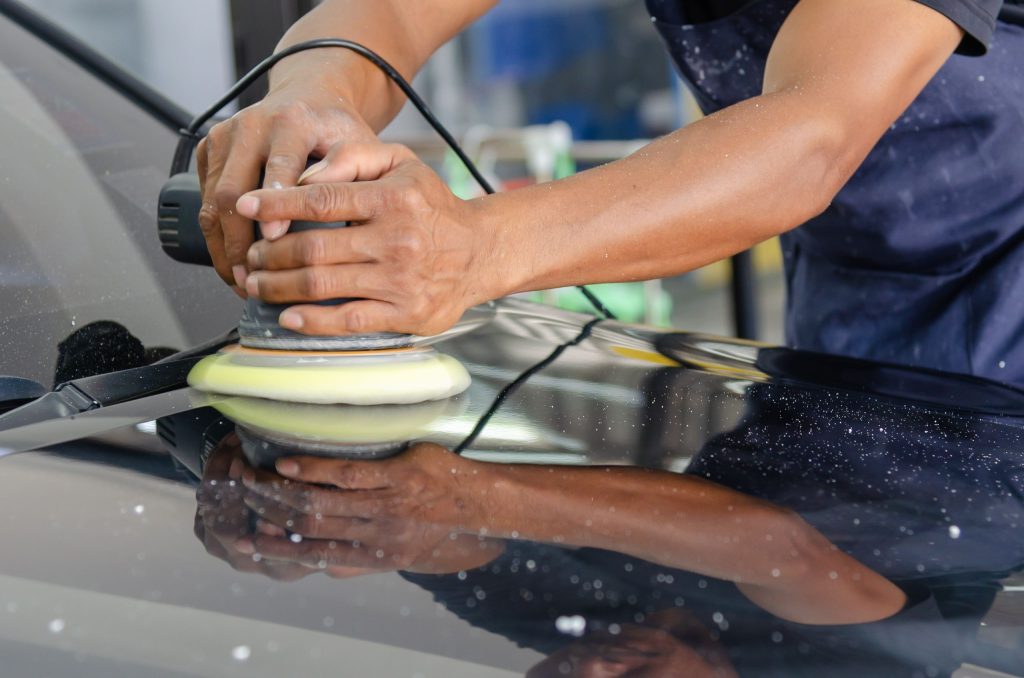
From everyday business needs to major expansion projects, explore financing options designed around automotive businesses and the work they do every day.
Auto Shop Lend focuses on financing for automotive businesses. The site helps shop owners explore financing options for business needs such as equipment, inventory, construction, expansion, and other shop-related expenses.
Depending on the financing option, funds may be used for business needs such as equipment, inventory, facility improvements, construction, expansion, and other qualified expenses.
Auto shops often need specialized equipment to operate and grow. Auto Shop Lend helps businesses explore financing options for equipment and other business needs.
Tire inventory can represent a significant expense for tire dealers and automotive service businesses. Inventory financing can help eligible businesses explore funding for stocking the products they need.
Garage construction financing can help eligible automotive businesses explore funding for building, expanding, or improving their facilities.
Yes. Auto repair shop expansion may require additional space, equipment, inventory, or facility improvements. Auto Shop Lend helps businesses explore financing options for these types of growth projects.
Transmission shops have specialized equipment, tools, inventory, and operating needs. Auto Shop Lend provides financing-focused resources for automotive businesses looking for funding options.
Opening or expanding an automotive repair business can require substantial capital. Owners may need commercial space, vehicle lifts, diagnostic systems, tire equipment, compressors, shop-management technology, tools, inventory, signage, renovations, and working capital before the business reaches its desired operating capacity.
The right financing structure depends on the project. A startup purchasing its first major pieces of equipment has different financial needs from an established operation adding service bays or acquiring another location. Owners should therefore begin with a detailed budget and realistic revenue projections rather than simply searching for the largest amount of financing available.
Below are nine areas automotive business owners can consider when evaluating funding for a startup, acquisition, equipment purchase, or expansion.
Finding capital begins with understanding exactly what the business needs. Garage financing specialists may help automotive business owners explore financing structures designed around equipment purchases, property improvements, working capital, or other eligible business expenses.
For businesses installing service bays, automotive lift financing can potentially help qualified applicants spread the cost of eligible lifting equipment over a defined repayment period rather than purchasing everything from available cash.
Owners who want to evaluate multiple possibilities may also investigate a repair shop funding marketplace that connects applicants with potential financing sources. A marketplace or matching service is different from a direct lender, so business owners should understand which company is actually providing the financing and making the credit decision.
Entrepreneurs opening their first locations may research auto repair shop startup loans for eligible expenses such as equipment, leasehold improvements, inventory, technology, furniture, and working capital.
Established auto repair capital providers may offer different structures depending on credit qualifications, business history, revenue, collateral, equipment, and intended use of funds.
The first step should be creating a detailed project budget. Owners can divide expenses into categories such as property, renovations, equipment, inventory, technology, and operating reserves. Doing so makes it easier to determine which financing structure may fit each expense.
Vehicle lifts are among the most important pieces of equipment in many repair facilities. Depending on the shop’s services, owners may require two-post lifts, four-post lifts, alignment lifts, or other specialized systems.
automotive lift financing may allow qualified businesses to obtain eligible equipment while preserving more existing capital for other expenses. Owners should consider the complete installed cost, including eligible accessories, site preparation, freight, installation, and related expenses where applicable.
Equipment purchases can also be discussed with Garage financing specialists when the overall project includes compressors, tire machines, alignment equipment, diagnostic technology, or additional service-bay equipment.
A repair shop funding marketplace may give business owners another way to investigate potential financing sources without assuming that every financing company offers identical products or underwriting requirements.
For a new operation, equipment may represent a significant part of the budget, making auto repair shop startup loans worth comparing with equipment-specific financing.
Different auto repair capital providers may evaluate applicants according to factors such as credit profile, business revenue, time in business, equipment value, cash flow, and overall repayment ability.
Owners should compare more than the monthly payment. Interest or financing charges, fees, maturity, repayment frequency, collateral requirements, personal guarantees, and prepayment provisions can significantly affect the actual cost of financing.
Starting a repair shop involves considerably more than buying tools. A new business may need deposits, renovations, equipment, computers, shop-management software, licenses, signage, initial inventory, marketing, insurance, and enough operating capital to survive the early months.
auto repair shop startup loans may potentially help qualified entrepreneurs finance eligible startup costs, but approval and available terms depend on the lender or financing program involved.
Working with Garage financing specialists can help an entrepreneur understand the distinction between equipment financing, term financing, working-capital products, and other structures.
Because lifts can represent a substantial upfront expense, automotive lift financing may also be evaluated separately when building the startup budget.
A repair shop funding marketplace can potentially provide access to more than one financing path, although being matched with a provider does not guarantee approval or particular terms.
Applicants should carefully investigate auto repair capital providers before accepting an offer. They should understand who the actual lender or financing company is, how payments work, what fees apply, and what obligations they are accepting.
Startup projections should remain conservative. Owners can estimate the number of repair orders required each month to cover payroll, occupancy costs, utilities, insurance, financing payments, parts, and other overhead. This break-even analysis can help determine whether the proposed debt level is realistic.
Automotive business financing is not a single product. A company might use equipment financing for machinery, a term loan for a larger project, or another form of business financing for qualifying operating expenses.
A repair shop funding marketplace can help owners investigate multiple potential financing paths while reducing the need to identify every possible source independently.
Businesses can also consult Garage financing specialists when their capital requirements involve a combination of equipment, facility improvements, expansion expenses, or other eligible investments.
If service-bay equipment represents the immediate priority, automotive lift financing may provide a more targeted alternative for qualified businesses.
Entrepreneurs without an established operating history may investigate auto repair shop startup loans, recognizing that startup underwriting can differ substantially from financing an established company with several years of revenue.
Likewise, auto repair capital providers can have different minimum qualifications, documentation requirements, repayment structures, and credit standards.
A marketplace should not eliminate due diligence. Owners should still review the financing agreement provided by the actual financing company.
Important questions include the total amount financed, total expected repayment, fees, payment frequency, maturity, collateral, personal guarantees, and whether early repayment changes the cost.
A financing comparison becomes much more useful when owners compare total economic cost rather than focusing exclusively on the advertised payment.
Consider a hypothetical entrepreneur planning a $450,000 automotive repair facility. The figures below are illustrative only and are not industry averages, lender offers, quotes, or recommendations.
| Example Expense | Illustrative Amount |
|---|---|
| Facility renovations | $105,000 |
| Lifts and bay equipment | $90,000 |
| Diagnostic and specialty equipment | $65,000 |
| General tools and shop equipment | $55,000 |
| Technology and office setup | $35,000 |
| Initial inventory and supplies | $35,000 |
| Working-capital reserve | $65,000 |
| Total | $450,000 |
Facility Renovations       $105,000  █████████████████████
Lifts & Bay Equipment       $90,000  ██████████████████
Diagnostic Equipment        $65,000  █████████████
Operating Reserve           $65,000  █████████████
General Shop Equipment      $55,000  ███████████
Technology                  $35,000  ███████
Inventory & Supplies        $35,000  ███████
In this hypothetical example, Garage financing specialists could potentially help the owner identify financing structures for qualifying portions of the project, while automotive lift financing might be considered specifically for eligible bay equipment.
A repair shop funding marketplace could provide another avenue for comparing available options, and auto repair shop startup loans might be investigated for broader eligible startup expenses.
The entrepreneur could then compare offers from auto repair capital providers based on total cost, repayment obligations, qualifications, and permitted uses.
The example demonstrates why owners should budget beyond machinery. A shop can have excellent equipment and still struggle if it does not retain enough cash for payroll, parts, utilities, insurance, marketing, and unexpected expenses.
Small Business Administration programs can provide another financing avenue for eligible automotive businesses.
The SBA describes 7(a) as its primary business loan program. Eligible uses can include acquiring or improving real estate and buildings, short- and long-term working capital, purchasing and installing machinery and equipment, furniture and supplies, certain debt refinancing, and changes of ownership. The maximum individual 7(a) loan amount is currently $5 million.
Entrepreneurs researching auto repair shop startup loans can therefore compare applicable SBA-backed financing with conventional alternatives. SBA’s current program comparison specifically includes starting a business among permitted 7(a) uses.
Similarly, businesses consulting Garage financing specialists can ask whether an SBA-backed structure might fit a larger equipment, facility, or expansion project.
Owners researching automotive lift financing may also compare equipment-specific products with SBA financing when the proposed purchase meets applicable program requirements.
A repair shop funding marketplace may help identify potential financing sources, but applicants interested specifically in SBA financing can also use the agency’s own lender resources.
Individual auto repair capital providers establish underwriting processes within the requirements of the financing programs they offer. SBA states that eligible 7(a) applicants generally must be operating for profit in the United States, meet applicable size requirements, be creditworthy, and demonstrate a reasonable ability to repay.
Owners can review the SBA 7(a) program and SBA lender and loan-program information directly.
Established repair shops frequently face different capital requirements than startups. A successful shop might need additional lifts, another technician, a larger waiting area, expanded parking, new diagnostic equipment, or an entirely new location.
Experienced Garage financing specialists may help qualified owners explore financing structures that correspond to the specific expansion project.
If additional service bays are the primary objective, automotive lift financing can potentially preserve cash while spreading qualifying equipment costs over time.
A repair shop funding marketplace can be useful when management wants to compare potential financing sources rather than approaching only one provider.
Although auto repair shop startup loans primarily appeal to entrepreneurs establishing new businesses, owners should understand how startup-oriented financing differs from the products available to established companies with documented revenue and operating history.
Comparing multiple auto repair capital providers can reveal meaningful differences in financing amounts, repayment schedules, underwriting criteria, collateral requirements, and overall costs.
Expansion should be supported by demand rather than optimism alone.
An owner can examine appointment backlogs, technician utilization, declined or referred work, average repair orders, bay utilization, and customer demand before deciding whether additional capacity is justified.
If existing bays regularly sit unused, purchasing additional lifts probably will not solve the underlying problem. Conversely, if technicians consistently lack available bay space while customers face long appointment delays, capacity expansion may deserve closer evaluation.
Financing a piece of equipment and determining its tax treatment are separate questions. Owners should evaluate the business merits of a purchase first and then discuss potential tax consequences with a qualified professional.
Businesses using automotive lift financing should determine whether the equipment fits their operational needs regardless of possible deductions.
Likewise, Garage financing specialists can explain financing structures, but personalized tax advice should generally come from an appropriately qualified tax professional.
A repair shop funding marketplace should not be treated as a substitute for accounting or tax guidance, and auto repair capital providers should not be relied upon to determine a particular taxpayer’s eligibility for a deduction.
Businesses obtaining equipment through auto repair shop startup loans should maintain accurate purchase and accounting records so their tax professionals can determine appropriate treatment.
IRS Publication 946 explains how taxpayers can recover the cost of qualifying business or income-producing property through depreciation. For tax years beginning in 2026, it states that the maximum Section 179 expense deduction is $2.56 million, with the limit reduced when the cost of applicable property placed in service exceeds $4.09 million. Additional requirements and limitations apply.
The IRS also explains that qualifying property must meet specific requirements; merely purchasing an asset for a business does not automatically mean every tax rule or maximum deduction applies.
Owners can review IRS Publication 946 and discuss their circumstances with their tax advisers.
The strongest financing strategy begins with the business plan rather than the financing offer.
Owners working with Garage financing specialists should be prepared to explain what they are purchasing, how the investment fits their business, and how repayment will be supported.
Businesses considering automotive lift financing should estimate equipment utilization and determine whether additional service capacity can realistically contribute enough gross profit to justify the investment.
When using a repair shop funding marketplace, owners should compare actual financing offers rather than assuming every matched provider will offer similar rates, fees, amounts, or repayment terms.
Entrepreneurs evaluating auto repair shop startup loans should maintain realistic expectations about how quickly a new facility can build customer volume. A working-capital reserve can be particularly important when revenue develops more slowly than projected.
Comparing auto repair capital providers should involve total financing cost, not simply the maximum amount offered.
For additional automotive-business financing information, owners can visit AutoShopLend.
Business owners should remember that matching services and affiliate websites are not necessarily lenders and do not make every credit decision themselves. Approval, amounts, rates or financing charges, and repayment terms depend on the actual provider and applicant qualifications.
Borrowing enough to complete a productive project can support growth. Borrowing simply because additional capital is available can create an unnecessary repayment burden.
Automotive repair businesses are capital-intensive operations. Even a relatively small facility can require substantial investments in service-bay equipment, diagnostic systems, tools, compressors, tire equipment, technology, inventory, renovations, and operating reserves.
Financing can potentially make these expenses easier to manage by allowing qualified businesses to spread eligible costs over time. The important question, however, is not simply whether financing is available. Owners need to determine whether the investment itself makes financial sense.
Start with a detailed budget. Obtain current equipment quotes, estimate installation and construction costs, calculate expected monthly overhead, and maintain an appropriate contingency for unexpected expenses. For an existing business, historical financial statements can help management develop realistic projections. A startup should generally be more conservative because it lacks an established operating history.
Different expenses may also justify different financing structures. Long-lived equipment, real estate, renovations, and short-term working-capital requirements do not necessarily belong under the same repayment schedule.
SBA programs can also be worth investigating. Current SBA guidance allows 7(a) proceeds to be used for purposes that include equipment, real estate, working capital, business startups, and certain ownership changes, subject to eligibility and lender requirements.
As of July 4, 2026, qualified borrowers may also combine up to $5 million through 7(a) with up to $5 million through 504 for as much as $10 million in combined SBA-backed financing. This does not increase the individual 7(a) maximum above $5 million.
Ultimately, a good financing decision should strengthen the repair business rather than simply increase its debt. Capital works best when it supports equipment, facilities, technology, or operating capacity that the company can realistically put to productive use.