
GARAGE EXPANSION FINANCING IS AVAILABLE
AUTO REPAIR FINANCING MATCHING SERVICE
Get matched with lenders that specialize
in auto shop financing
- Soft credit pull
- No cost to you
- Private & secure
Soft Credit Pull
No Cost to You
Industry Specialists
One Application
Loan Programs
Financing for every shop need
Affiliate Disclosure: We are an affiliate marketing website and may receive compensation from lending partners. We are not a lender, do not make credit decisions, and do not guarantee approval. Loan terms and rates are determined by individual lenders.
Equipment Financing
Working Capital
Shop Build-Out & Expansion
Acquisition Loans
Fast Cash Advances
Commercial Real Estate
How It Works
A simple, confidential four-step
process
Apply once. We connect you with specialty lenders. You compare offers privately. You decide.
Tell Us About Your Shop
Get Matched
Compare Offers
Fund & Get Back to Work
Estimate Your Monthly Payment
Move the sliders to see how loan amount, term, and rate shape your monthly cost. Illustrative estimates only — your actual offer depends on your matched lender.
Rate slider is for illustration only. Actual rates vary by shop type, time in business, monthly revenue, lender, and credit profile.
Illustrative estimates only. Not an offer of credit. Actual terms determined by lender.
Who We Serve
Financing for every shop type
General Auto Repair
Body & Collision
Tire Shops
Quick Lube
Transmission
Auto Detailing
Fleet Service
Multi-Location
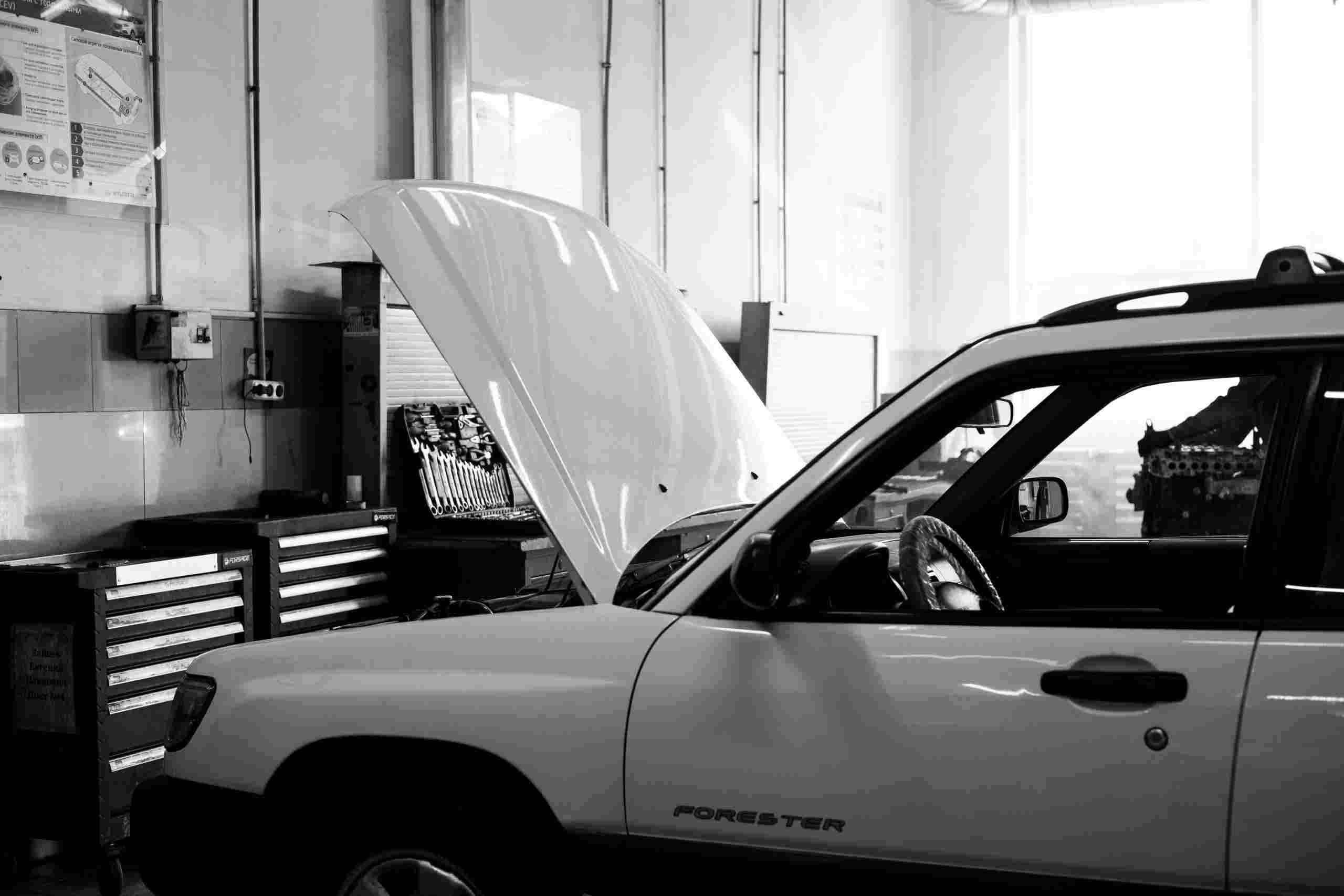
A lending network built for
auto shops
Shop-Specific Underwriting
One Profile, Multiple Offers
No Cost. No Commitment.
Confidential & Discreet
Ready to grow your shop?
Garage Expansion Financing: What It Costs to Double the Size of a General Mechanic Shop in Cincinnati, Ohio
Expanding a successful automotive repair business can be one of the most profitable investments an owner makes. Whether your shop is consistently booked weeks in advance, technicians are sharing bays, or customers are being turned away due to limited capacity, growth often becomes necessary rather than optional.
For many independent garage owners, Garage expansion financing provides the capital needed to increase service capacity, add new revenue streams, improve customer experience, and compete with larger regional service centers.
This guide explains everything a general mechanic shop owner should know before expanding, including costs, planning considerations, financing options, equipment needs, and realistic examples based on Cincinnati, Ohio market conditions.
Why Auto Repair Shops Expand
Most mechanic shops reach a point where demand exceeds available space.
Common signs include:
- Service bays operating at full capacity
- Long appointment wait times
- Insufficient parking
- Lack of alignment or diagnostic space
- Limited technician workstations
- Inability to add new services
Expansion allows owners to:
- Increase repair volume
- Hire additional technicians
- Add specialty services
- Improve workflow
- Increase annual revenue
Many lenders offer mechanic shop growth financing specifically for businesses that have demonstrated stable revenue and strong customer retention.
Example Cincinnati Auto Repair Shop
Let’s assume a typical independent garage in Cincinnati:
Current Facility
- 4 service bays
- 4,000 square feet
- 6 employees
- Annual revenue: $900,000
- Property owned by business
The owner wants to double capacity by expanding to:
Expanded Facility
- 8 service bays
- 8,000 square feet
- 12 employees
- Alignment area
- Larger waiting room
- Additional parking
This is where Garage expansion financing becomes critical.
Estimated Expansion Costs in Cincinnati
Construction costs vary depending on location and complexity.
Building Addition
Commercial garage construction costs:
| Item | Cost Per Sq Ft |
|---|---|
| Basic garage expansion | $110-$150 |
| Mid-range build | $150-$225 |
| Premium build | $225-$350 |
For a 4,000-square-foot addition:
Low-End Expansion
4,000 x $110 = $440,000
Mid-Range Expansion
4,000 x $175 = $700,000
High-End Expansion
4,000 x $275 = $1.1 million
Most Cincinnati shop expansions fall between $600,000 and $900,000.
Expansion Cost Breakdown
Architectural Design
$10,000 – $40,000
Permits
$5,000 – $25,000
Site Preparation
$15,000 – $100,000
Concrete Work
$50,000 – $200,000
Steel Construction
$150,000 – $400,000
Electrical Systems
$40,000 – $150,000
HVAC
$20,000 – $80,000
Plumbing
$10,000 – $50,000
Parking Expansion
$25,000 – $150,000
These expenses are commonly funded through repair shop scaling capital programs.
Typical Financing Needs
Most expanding garages require funding for multiple categories.
Real Estate
Building additions
Equipment
New lifts and tools
Working Capital
Payroll during expansion
Inventory
Parts inventory increases
Technology
Diagnostic systems
Marketing
Customer acquisition campaigns
Because expansion affects multiple areas simultaneously, many owners combine traditional loans with repair shop scaling capital solutions.
Service Bays Drive Revenue
The biggest advantage of expansion is adding more service bays.
Example:
4-bay shop:
- Average revenue per bay = $225,000 annually
- Total revenue = $900,000
8-bay shop:
- Revenue potential = $1.8 million annually
Doubling capacity often allows revenue to grow significantly faster than fixed costs.
This is one reason lenders frequently approve mechanic shop growth financing requests from established repair businesses.
Automotive Lift Financing
Every new service bay requires a vehicle lift.
Modern lift prices vary significantly.
Two-Post Lift
$3,500 – $8,000
Four-Post Lift
$5,000 – $12,000
Heavy-Duty Truck Lift
$15,000 – $50,000
In-Ground Lift
$25,000 – $100,000+
For four new bays:
| Lift Type | Estimated Cost |
|---|---|
| Budget | $16,000 |
| Mid-range | $32,000 |
| Premium | $80,000+ |
Many owners utilize automotive lift financing rather than paying cash.
Why Lift Financing Makes Sense
Vehicle lifts have long useful lives.
Benefits include:
- Preserving working capital
- Tax advantages
- Easier upgrades
- Predictable payments
Instead of spending $50,000 upfront, many owners spread costs over several years through automotive lift financing programs.
Shop Compressor Requirements
Compressed air powers:
- Impact guns
- Tire machines
- Sanding equipment
- Paint systems
- Air tools
Larger facilities require more capacity.
Small Compressor
$2,000 – $5,000
Mid-Sized Compressor
$5,000 – $15,000
Industrial Compressor
$15,000 – $50,000+
Expanding shops often need upgraded systems, making shop compressor financing a popular option.
Choosing the Right Compressor
As bay count increases, air demand rises dramatically.
An undersized compressor creates:
- Productivity losses
- Equipment failures
- Technician downtime
Many expanding garages use shop compressor financing to install industrial-grade systems capable of supporting future growth.
Additional Equipment Costs
Expansion usually requires:
Tire Equipment
$10,000 – $40,000
Alignment Machines
$30,000 – $120,000
Diagnostic Equipment
$10,000 – $80,000
Tool Storage
$5,000 – $50,000
ADAS Calibration Equipment
$20,000 – $150,000
Many owners bundle these purchases into broader mechanic shop growth financing packages.
Hiring Costs
Expansion requires more staff.
Typical additions include:
- Service advisors
- Technicians
- Parts personnel
- Shop manager
Annual labor costs can increase by:
$250,000 – $600,000+
Many lenders include payroll reserves within repair shop scaling capital approvals.
Revenue Opportunities After Expansion
Adding space allows new profit centers.
Examples include:
Alignment Services
$50,000-$200,000 annually
Fleet Maintenance
$100,000-$500,000 annually
Diesel Repair
$150,000-$1 million annually
ADAS Calibration
$50,000-$300,000 annually
Tire Sales
$100,000-$500,000 annually
These new services often justify the cost of Garage expansion financing.
Expansion Timeline
Most projects follow this schedule:
| Phase | Duration |
|---|---|
| Planning | 1-3 months |
| Financing Approval | 2-8 weeks |
| Design | 1-2 months |
| Permitting | 1-4 months |
| Construction | 4-12 months |
| Equipment Installation | 2-4 weeks |
Total project time:
Typical Timeline
8 to 18 months
Estimated Cincinnati Expansion Budget
Mid-Range Example
| Category | Cost |
|---|---|
| Building Addition | $700,000 |
| Lifts | $40,000 |
| Compressor | $20,000 |
| Diagnostic Equipment | $50,000 |
| Alignment Equipment | $60,000 |
| Parking Expansion | $50,000 |
| Working Capital | $80,000 |
| Contingency | $100,000 |
Total
$1.1 Million
This type of project commonly utilizes Garage expansion financing alongside equipment lending.
Cost Comparison Chart
Estimated costs for doubling a 4,000 sq ft mechanic shop to 8,000 sq ft.
Qualifying for Financing
Lenders generally evaluate:
- Time in business
- Annual revenue
- Cash flow
- Credit history
- Existing debt
- Property ownership
Shops with:
- 2+ years in business
- $500,000+ annual revenue
- Positive cash flow
typically receive the strongest offers for repair shop scaling capital.
Internal Links
Consider linking internally to:
- Auto Shop Equipment Financing
- Working Capital for Auto Repair Businesses
- Commercial Real Estate Loans
- Business Expansion Loans
- Equipment Leasing Programs
External Resources
Helpful resources include:
- U.S. Small Business Administration (SBA)
- Occupational Safety and Health Administration (OSHA)
- National Institute for Automotive Service Excellence (ASE)
- City of Cincinnati Business Services
Final Thoughts
Expanding a successful repair facility is often the fastest way to increase revenue and long-term business value. A typical Cincinnati mechanic shop seeking to double from 4,000 to 8,000 square feet should expect a total project cost ranging from roughly $700,000 on the low end to well over $1.5 million for premium builds and advanced equipment.
Strategic use of Garage expansion financing, repair shop scaling capital, mechanic shop growth financing, automotive lift financing, and shop compressor financing can allow owners to preserve cash while investing in the infrastructure needed for future growth. The most successful expansions begin with realistic budgeting, conservative revenue projections, quality contractors, and a financing structure that supports both construction and ongoing operations.
Automotive Lift Financing: What It Costs to Replace Three Vehicle Lifts and Everything Auto Shop Owners Need to Know
Vehicle lifts are among the most important pieces of equipment in any repair facility. Without them, technicians cannot efficiently inspect, diagnose, or repair vehicles. As lifts age, maintenance costs increase, safety risks rise, and productivity declines. For many shop owners, replacing multiple lifts at once can be a significant expense, which is why automotive lift financing has become one of the most common equipment funding solutions in the automotive industry.
Whether you operate a small independent garage, a multi-bay repair center, or a growing regional service operation, understanding lift replacement costs, financing options, and long-term benefits can help you make a smart investment decision.
Why Vehicle Lifts Eventually Need Replacement
Most quality lifts can last 15 to 25 years with proper maintenance. However, several factors eventually force replacement:
- Wear and tear on hydraulic systems
- Corrosion and rust
- Cable deterioration
- Obsolete replacement parts
- New safety requirements
- Increased vehicle weights
- Reduced lifting capacity
Many repair facilities discover that repairing old lifts becomes more expensive than replacing them.
This is where automotive lift financing allows shop owners to modernize their operations without depleting cash reserves.
The Most Common Types of Vehicle Lifts
Before replacing equipment, it’s important to understand the available options.
Two-Post Lifts
These are the most common lifts found in general repair shops.
Advantages:
- Lower cost
- Easier access underneath vehicles
- Minimal floor space required
Typical Cost:
$4,000 to $10,000 each
Four-Post Lifts
Popular for alignments and heavier vehicles.
Advantages:
- Greater stability
- Easier drive-on access
- Ideal for trucks and SUVs
Typical Cost:
$6,000 to $15,000 each
In-Ground Lifts
Often found in dealerships and premium service facilities.
Advantages:
- Cleaner appearance
- More workspace
- Improved customer perception
Typical Cost:
$25,000 to $100,000+ each
Heavy-Duty Truck Lifts
Designed for commercial fleets and diesel repair.
Typical Cost:
$20,000 to $75,000+ each
Many expanding facilities combine mechanic shop growth financing with equipment loans when upgrading to heavier-duty systems.
What Does It Cost to Replace Three Lifts?
Let’s assume a general mechanic shop replacing three aging two-post lifts.
Budget Replacement
Three lifts at $5,000 each:
- Equipment Cost: $15,000
- Installation: $3,000
- Electrical Upgrades: $2,000
- Permits and Inspection: $1,000
Total Cost
$21,000
Mid-Range Replacement
Three lifts at $8,000 each:
- Equipment Cost: $24,000
- Installation: $4,500
- Concrete Reinforcement: $5,000
- Electrical Work: $3,500
Total Cost
$37,000
Premium Replacement
Three lifts at $12,000 each:
- Equipment Cost: $36,000
- Installation: $6,000
- Facility Modifications: $8,000
- Electrical Upgrades: $5,000
Total Cost
$55,000
Most independent repair shops spend between $30,000 and $50,000 when replacing three lifts.
Many owners use automotive lift financing to spread these costs over three to seven years.
Why Financing Makes Sense
Many shop owners have sufficient cash to purchase lifts outright.
However, financing often provides strategic advantages.
Benefits include:
- Preserving working capital
- Maintaining emergency reserves
- Easier budgeting
- Faster equipment upgrades
- Potential tax advantages
Rather than spending $40,000 immediately, a shop may choose monthly payments that align with incoming revenue.
How New Lifts Increase Revenue
Many owners focus only on the cost of new lifts.
The bigger question is:
How much revenue do the lifts generate?
A productive technician often generates:
- $150,000 to $300,000 annually
Per service bay.
If new lifts reduce downtime by only 10%, the additional productivity can create thousands of dollars in annual revenue.
This is one reason lenders frequently approve repair shop scaling capital requests involving equipment replacement.
Hidden Costs of Old Lifts
Older lifts often create expenses that owners overlook.
These include:
Lost Technician Time
Even a few minutes per repair adds up significantly.
Increased Repairs
Hydraulic failures and cable replacements become common.
Parts Availability
Many older lift models no longer have readily available parts.
Safety Risks
OSHA violations and workplace injuries can become expensive.
Insurance Issues
Some insurers charge higher premiums when outdated equipment remains in service.
Replacing aging lifts often solves multiple operational problems simultaneously.
Installation Considerations
Installing new lifts is not always a simple swap.
Owners should evaluate:
Concrete Thickness
Most manufacturers require specific slab depths.
Electrical Capacity
Modern lifts may require upgraded circuits.
Bay Layout
Lift positioning affects workflow.
Ceiling Height
Insufficient clearance can limit functionality.
Future Growth
Plan for future equipment additions.
Many projects are funded alongside Garage expansion financing when facilities are already undergoing renovations.
Financing Options Available
Several funding solutions exist.
Equipment Loans
Most common option.
Benefits:
- Fixed payments
- Predictable terms
- Ownership at completion
Equipment Leasing
Benefits:
- Lower upfront costs
- Easier upgrades
- Flexible structures
SBA Financing
May be appropriate when equipment is part of a larger project.
Working Capital Loans
Useful when equipment replacement is urgent.
Many lenders combine repair shop scaling capital with equipment financing packages.
How Lenders Evaluate Applications
Common approval factors include:
Time in Business
Typically 2+ years preferred.
Revenue
Strong monthly sales improve approval odds.
Credit Profile
Business and personal credit may be reviewed.
Existing Debt
Current obligations affect borrowing capacity.
Equipment Value
The lifts themselves often serve as collateral.
Established shops usually qualify more easily than startups.
Adding Additional Bays During Lift Replacement
Some owners use lift replacement as an opportunity to expand.
For example:
Current Shop:
- 4 lifts
- 4 bays
New Layout:
- 6 lifts
- 6 bays
This approach may require both Garage expansion financing and equipment lending.
Although the initial investment increases, future revenue potential rises significantly.
Compressor and Air System Upgrades
Many shops discover that lift replacement exposes other infrastructure needs.
Common upgrades include:
- Air lines
- Electrical systems
- Compressor capacity
- Lighting improvements
When compressed air systems need replacement, owners frequently add shop compressor financing to the project.
This creates a more comprehensive modernization strategy.
Growth Opportunities After Upgrading
New lifts often allow shops to pursue additional services.
Examples include:
Truck Repair
Higher-capacity lifts support larger vehicles.
Fleet Services
Commercial accounts require efficient throughput.
Preventative Maintenance
Faster inspections increase volume.
Tire Services
Improved bay efficiency boosts productivity.
Many lenders view these revenue opportunities favorably when evaluating mechanic shop growth financing applications.
Example Financial Scenario
Assume a Cincinnati repair facility replaces three aging lifts.
Project Cost
$42,000
Financing Term
60 months
Approximate Payment
$800 to $950 per month depending on rate and structure.
If improved efficiency produces:
- One additional repair order per day
- Average ticket of $250
The lift upgrade could generate:
$65,000+ annually in additional revenue.
This demonstrates why automotive lift financing is often viewed as an investment rather than simply an expense.
Common Mistakes to Avoid
Buying the Cheapest Lift
Low-cost lifts may create reliability issues.
Ignoring Installation Costs
Equipment is only part of the budget.
Failing to Plan Growth
Future expansion should be considered now.
Underestimating Electrical Needs
Older facilities often require upgrades.
Delaying Replacement Too Long
Productivity losses can exceed financing costs.
Internal Links
Consider linking internally to:
- Auto Shop Equipment Financing
- Commercial Garage Expansion Loans
- Equipment Leasing for Repair Shops
- Auto Repair Working Capital
- Shop Renovation Financing
External Resources
Useful industry resources include:
- Automotive Service Association (ASA)
- Occupational Safety and Health Administration (OSHA)
- National Institute for Automotive Service Excellence (ASE)
- U.S. Small Business Administration (SBA)
Final Thoughts
For most independent repair facilities, replacing three aging vehicle lifts will cost between $20,000 and $55,000 depending on the lift type, installation requirements, electrical upgrades, and facility modifications. Modern lifts improve safety, technician productivity, customer confidence, and long-term profitability.
By combining automotive lift financing, repair shop scaling capital, mechanic shop growth financing, shop compressor financing, and Garage expansion financing when appropriate, shop owners can modernize their operations while preserving cash flow. The most successful equipment upgrades are planned with future growth in mind, ensuring that today’s investment supports the shop’s needs for years to come.