
AUTOMOTIVE BUSINESS STARTUP FUNDING
AUTO REPAIR FINANCING MATCHING SERVICE
Get matched with lenders that specialize
in auto shop financing
- Soft credit pull
- No cost to you
- Private & secure
Soft Credit Pull
No Cost to You
Industry Specialists
One Application
Loan Programs
Financing for every shop need
Affiliate Disclosure: We are an affiliate marketing website and may receive compensation from lending partners. We are not a lender, do not make credit decisions, and do not guarantee approval. Loan terms and rates are determined by individual lenders.
Equipment Financing
Working Capital
Shop Build-Out & Expansion
Acquisition Loans
Fast Cash Advances
Commercial Real Estate
How It Works
A simple, confidential four-step
process
Apply once. We connect you with specialty lenders. You compare offers privately. You decide.
Tell Us About Your Shop
Get Matched
Compare Offers
Fund & Get Back to Work
Estimate Your Monthly Payment
Move the sliders to see how loan amount, term, and rate shape your monthly cost. Illustrative estimates only — your actual offer depends on your matched lender.
Rate slider is for illustration only. Actual rates vary by shop type, time in business, monthly revenue, lender, and credit profile.
Illustrative estimates only. Not an offer of credit. Actual terms determined by lender.
Who We Serve
Financing for every shop type
General Auto Repair
Body & Collision
Tire Shops
Quick Lube
Transmission
Auto Detailing
Fleet Service
Multi-Location
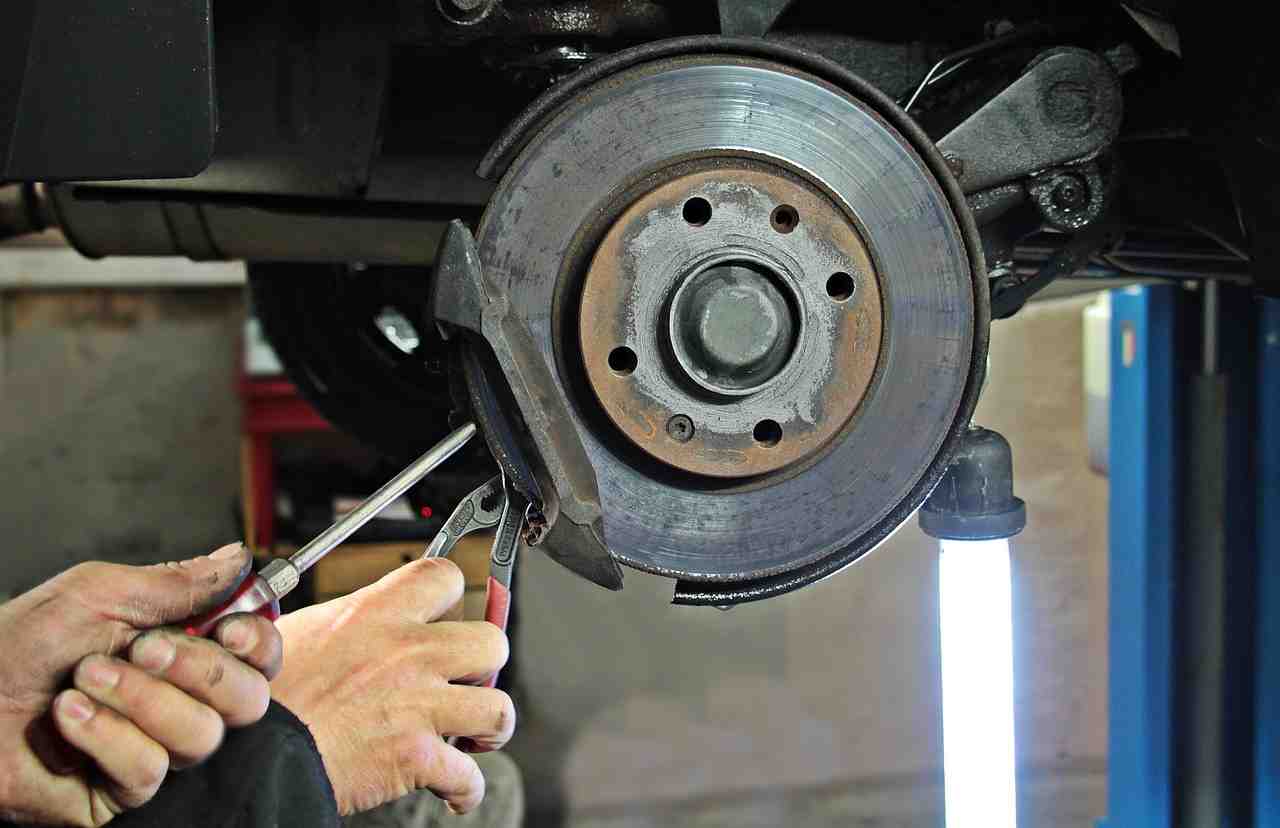
A lending network built for
auto shops
Shop-Specific Underwriting
One Profile, Multiple Offers
No Cost. No Commitment.
Confidential & Discreet
Ready to grow your shop?
Garage Building Loans: Financing a 4-Bay Automotive Repair Shop in St. Louis
Opening an automotive repair facility is a dream shared by many experienced technicians and automotive entrepreneurs. Whether the goal is to leave dealership employment, create a family-owned business, or establish a long-term investment, owning a repair facility offers both financial and personal rewards. However, building a repair shop requires substantial capital. Land acquisition, construction costs, equipment purchases, permits, and working capital can quickly push startup expenses into the hundreds of thousands of dollars.
This is where Garage building loans become an essential financing tool. These loans help automotive business owners acquire land, construct facilities, and create a repair operation capable of serving local customers for decades.
In this guide, we’ll use a hypothetical four-bay repair shop in St. Louis, Missouri as an example and explain everything involved in obtaining financing, constructing the facility, and successfully launching operations.
Why St. Louis Is a Strong Market
St. Louis provides several advantages for automotive repair businesses:
- Large metropolitan population
- Significant commuter traffic
- Four-season climate creating vehicle wear
- Growing suburban communities
- Diverse vehicle ownership
Many neighborhoods throughout the St. Louis area continue to support independent repair facilities that compete successfully against dealerships.
Because of this demand, many entrepreneurs seek Automotive business startup funding to establish local service centers.
The Example Project
Our example shop consists of:
- Four service bays
- 5,000 square foot building
- Customer waiting area
- Service advisor office
- Parking lot
- Parts storage room
- Technician work areas
The goal is to create a neighborhood repair facility capable of servicing approximately 20 to 30 vehicles per day.
Finding the Right Property
Before applying for financing, selecting the proper location is critical.
Ideal locations often include:
- High traffic roads
- Strong visibility
- Easy customer access
- Adequate parking
- Commercial zoning
In St. Louis, land suitable for automotive construction may range from:
$100,000 to $500,000+
depending on location.
Many lenders offering Garage building loans will evaluate the property before approving financing.
Construction Costs
Construction expenses vary based on:
- Building size
- Local labor costs
- Site preparation
- Materials
- Utility connections
A typical 5,000-square-foot repair facility may cost:
| Item | Estimated Cost |
|---|---|
| Land | $250,000 |
| Building Construction | $750,000 |
| Site Work | $100,000 |
| Parking Lot | $75,000 |
| Utility Connections | $50,000 |
| Permits & Fees | $25,000 |
| Total | $1,250,000 |
These figures illustrate why Garage building loans are often necessary.
Equipment Requirements
Once construction begins, equipment planning becomes essential.
A four-bay facility commonly requires:
Vehicle Lifts
Four lifts at:
$6,000–$15,000 each
Air Compressor System
Cost:
$5,000–$15,000
Tire Equipment
Cost:
$10,000–$30,000
Diagnostic Equipment
Cost:
$10,000–$50,000
Tool Storage
Cost:
$5,000–$25,000
Alignment Equipment
Cost:
$20,000–$80,000
Many owners include equipment purchases within their Automotive business startup funding package.
Working Capital Requirements
Many first-time owners underestimate working capital.
Before opening, funds may be needed for:
- Payroll
- Utilities
- Insurance
- Inventory
- Marketing
- Licensing
A healthy reserve often ranges from:
$100,000 to $250,000
depending on business size.
Loan Qualification Requirements
Most lenders offering Garage building loans evaluate:
Credit Score
Typically:
680+
Higher scores generally improve financing options.
Business Plan
Lenders want to understand:
- Market opportunity
- Revenue projections
- Competition
- Management experience
Industry Experience
Automotive experience significantly strengthens applications.
Down Payment
Most construction loans require:
10% to 30%
of total project costs.
Typical Loan Structure
Many construction loans include:
Construction Phase
Funds released in stages.
Permanent Financing Phase
Loan converts into long-term financing after completion.
Terms often range:
- 10 to 25 years
depending on lender programs.
Startup Budget Allocation
Technology Investments
Modern repair facilities increasingly depend on software.
Examples include:
- Shop management systems
- Customer communication platforms
- Appointment scheduling
- Marketing automation
Many owners include automotive CRM financing within their startup budget to improve customer retention and streamline operations.
Marketing Before Opening
Marketing should begin before opening day.
Effective strategies include:
- Google Business Profile setup
- Local SEO
- Social media campaigns
- Direct mail
- Community partnerships
These efforts help establish visibility before the first vehicle enters the shop.
Future Expansion Opportunities
After achieving stable operations, many shop owners pursue growth.
Common projects include:
- Adding additional bays
- Purchasing neighboring property
- Hiring more technicians
- Expanding service offerings
At this stage, auto repair shop expansion loans may provide the capital needed to support growth initiatives.
Multi-Location Growth
Some successful operators eventually open second and third locations.
Expansion may involve:
- New facilities
- Acquisitions
- Additional equipment
Many growing businesses use auto repair shop expansion loans to scale operations while preserving cash flow.
CRM Systems and Customer Retention
Customer retention remains one of the most profitable aspects of automotive repair.
Benefits of CRM systems include:
- Service reminders
- Marketing automation
- Appointment scheduling
- Customer history tracking
For this reason, automotive CRM financing has become increasingly popular among independent repair facilities seeking modern technology solutions.
Common Mistakes to Avoid
Underestimating Costs
Construction projects frequently exceed original estimates.
Choosing the Wrong Location
Visibility and traffic matter.
Insufficient Working Capital
Cash reserves are critical.
Delayed Marketing
Customer acquisition should begin before opening.
Ignoring Technology
Modern customers expect digital communication and scheduling.
Internal Links
Suggested internal links for AutoShopLend.com:
- Automotive Business Startup Funding
- Auto Repair Shop Expansion Loans
- Automotive CRM Financing
- Auto Repair Shop Startup Loans
- Vehicle Repair Shop Financing
- Automotive Funding Solutions
- Repair Shop Funding Marketplace
External Links
Helpful resources:
- U.S. Small Business Administration (SBA)
- Missouri Small Business Development Centers
- Automotive Service Association (ASA)
- National Institute for Automotive Service Excellence (ASE)
Final Thoughts
Building a four-bay repair facility in St. Louis can be an excellent long-term investment, but success requires careful planning, adequate capital, and realistic expectations. Construction costs, equipment expenses, technology investments, and working capital needs often exceed one million dollars before the doors officially open.
Fortunately, Garage building loans provide a practical solution for financing construction and property acquisition. Combined with Automotive business startup funding, technology investments supported by automotive CRM financing, and future growth opportunities funded through auto repair shop expansion loans, entrepreneurs can create a strong foundation for long-term success. By understanding the requirements, preparing a detailed business plan, and working with experienced lenders, automotive business owners can transform a simple idea into a thriving repair facility that serves the St. Louis community for years to come.
Auto Repair Shop Expansion Loans: Growing a 4-Bay Repair Shop Into an 8-Bay Automotive Service Center
For many automotive repair shop owners, growth is the ultimate goal. After years of building a customer base, establishing a reputation, and generating consistent revenue, there often comes a point when the existing facility simply cannot handle demand. Service bays stay full, technicians are booked days in advance, and customers begin looking elsewhere because appointments are unavailable.
At that stage, expanding the business becomes a logical next step. One of the most common expansion projects involves growing a four-bay repair shop into an eight-bay facility. While doubling the size of a shop can significantly increase revenue and profitability, it also requires substantial investment. This is where auto repair shop expansion loans become an important financial tool.
This guide explains everything involved in expanding a four-bay garage into an eight-bay operation, including construction costs, equipment requirements, staffing considerations, financing options, technology investments, and long-term profitability.
Why Expand From 4 Bays to 8 Bays?
Many repair shops reach capacity long before owners realize it.
Common signs include:
- Appointments booked weeks in advance
- Long customer wait times
- Limited technician workspace
- Inability to add new services
- Lost revenue opportunities
- Parking congestion
A four-bay facility may comfortably service:
- 12 to 20 vehicles daily
An eight-bay operation may service:
- 25 to 50 vehicles daily
The increase in capacity can dramatically improve annual revenue.
Many owners use auto repair shop expansion loans when demand exceeds available workspace.
Example Expansion Project
Let’s assume an existing repair facility currently includes:
- Four service bays
- 5,000 square feet
- Five employees
- Annual revenue of $900,000
The owner plans to expand to:
- Eight service bays
- 10,000 square feet
- Ten employees
- Potential annual revenue exceeding $2 million
The expansion may involve:
- Building additions
- New equipment
- Additional parking
- Technology upgrades
Evaluating Current Performance
Before applying for financing, lenders typically evaluate the existing business.
Important metrics include:
Revenue History
Consistent revenue growth strengthens applications.
Profitability
Lenders want to see positive cash flow.
Customer Retention
Strong repeat business supports expansion plans.
Industry Experience
Experienced ownership improves approval odds.
Many lenders offering auto repair shop expansion loans prefer businesses with at least two years of operating history.
Facility Expansion Costs
Adding four additional bays often requires significant construction.
Typical expenses include:
| Category | Estimated Cost |
|---|---|
| Building Addition | $250,000 – $750,000 |
| Concrete Work | $25,000 – $100,000 |
| Electrical Upgrades | $20,000 – $100,000 |
| Plumbing | $10,000 – $50,000 |
| HVAC Systems | $15,000 – $75,000 |
| Permits | $5,000 – $25,000 |
Total construction costs often range from:
$325,000 to over $1 million.
Equipment Requirements
New bays require additional equipment.
Typical purchases include:
Vehicle Lifts
Four additional lifts:
$25,000 – $80,000
Tire Equipment
Additional tire changers and balancers:
$10,000 – $50,000
Diagnostic Equipment
Additional scan tools and testing systems:
$10,000 – $100,000
Air Compressor Expansion
Upgraded compressed air systems:
$5,000 – $25,000
Many expansion projects are funded through auto repair shop expansion loans that include both construction and equipment costs.
Staffing Requirements
Additional bays require additional employees.
Expansion from four bays to eight bays often involves hiring:
- 3 to 5 technicians
- Additional service advisors
- Parts specialists
- Administrative support
Annual payroll increases may exceed:
$250,000 to $500,000
Owners should include payroll growth projections in their business plans.
Parking Requirements
Parking is frequently overlooked.
An eight-bay facility may require:
- Customer parking
- Employee parking
- Vehicle storage
- Tow truck access
Many municipalities have minimum parking requirements that affect site planning.
Technology Upgrades
Growing shops often require upgraded software.
Examples include:
- Shop management software
- Digital inspections
- Scheduling systems
- Customer communication tools
Many expanding facilities utilize automotive CRM financing to implement systems that improve customer retention and operational efficiency.
Why CRM Becomes More Important
As a shop doubles in size, customer management becomes increasingly complex.
CRM systems help:
- Track service history
- Automate reminders
- Manage fleet accounts
- Improve customer retention
- Generate marketing campaigns
Many successful expansion projects include automotive CRM financing within the overall growth budget.
Funding Sources
Several financing options may be available.
Commercial Expansion Loans
Designed specifically for growth projects.
SBA Loans
Often provide:
- Long repayment terms
- Competitive rates
- Large loan amounts
Equipment Financing
Supports:
- Lifts
- Compressors
- Diagnostic systems
Construction Financing
Supports:
- Building additions
- Renovations
- Site improvements
Startup vs Expansion Financing
Expansion financing differs from startup funding.
With expansion loans, lenders can evaluate:
- Existing revenue
- Customer base
- Financial performance
This often improves approval chances.
Many businesses initially utilized Automotive business startup funding to open their first facility and later use expansion loans to grow operations.
Revenue Potential After Expansion
Consider a typical example:
Four-Bay Shop
Annual Revenue:
$900,000
Eight-Bay Shop
Annual Revenue:
$1.8 Million – $2.5 Million+
Actual results depend on:
- Technician productivity
- Market demand
- Service mix
- Management effectiveness
Expansion Budget Allocation
A typical expansion project may allocate funds as follows:
- Building Addition: 50%
- Equipment: 20%
- Technology: 5%
- Working Capital: 15%
- Staffing & Training: 10%
This allocation helps maintain financial flexibility throughout the project.
The Importance of Working Capital
Many owners focus entirely on construction costs.
However, expansion often creates temporary disruptions.
Working capital helps cover:
- Payroll
- Utilities
- Marketing
- Inventory
- Unexpected expenses
Adequate reserves improve project success rates.
Real Estate Considerations
Some shops cannot physically expand their existing location.
In these situations, owners may consider:
- Purchasing adjacent property
- Relocating
- Building a larger facility
Many businesses originally funded through Garage building loans later return for additional financing when growth requires larger facilities.
Long-Term Business Value
Expanding from four bays to eight bays can substantially increase business valuation.
Benefits include:
- Higher revenue
- Greater profitability
- Increased market presence
- Stronger customer retention
- Improved acquisition value
Many buyers pay premium valuations for established multi-bay operations.
Internal Links
Suggested internal links for AutoShopLend.com:
- Automotive Business Startup Funding
- Garage Building Loans
- Automotive CRM Financing
- Auto Repair Shop Startup Loans
- Vehicle Repair Shop Financing
- Automotive Funding Solutions
- Repair Shop Funding Marketplace
External Links
Helpful resources:
- U.S. Small Business Administration (SBA)
- Automotive Service Association (ASA)
- National Institute for Automotive Service Excellence (ASE)
- Missouri Small Business Development Centers
Final Thoughts
Expanding a repair shop from four bays to eight bays can be one of the most profitable decisions an automotive business owner makes. Increased capacity often leads to higher revenue, stronger customer retention, improved technician productivity, and greater long-term business value.
Successful expansion requires careful planning, realistic budgeting, and access to financing. Many owners begin with Automotive business startup funding, later utilize Garage building loans for facility improvements, implement technology through automotive CRM financing, and ultimately rely on auto repair shop expansion loans to double the size of their operations. With proper planning and execution, a four-bay repair facility can evolve into a thriving eight-bay automotive service center capable of serving its community for decades.