
BODY SHOP FINANCING IS AVAILABLE
AUTO REPAIR FINANCING MATCHING SERVICE
Get matched with lenders that specialize
in auto shop financing
- Soft credit pull
- No cost to you
- Private & secure
Soft Credit Pull
No Cost to You
Industry Specialists
One Application
Loan Programs
Financing for every shop need
Affiliate Disclosure: We are an affiliate marketing website and may receive compensation from lending partners. We are not a lender, do not make credit decisions, and do not guarantee approval. Loan terms and rates are determined by individual lenders.
Equipment Financing
Working Capital
Shop Build-Out & Expansion
Acquisition Loans
Fast Cash Advances
Commercial Real Estate
How It Works
A simple, confidential four-step
process
Apply once. We connect you with specialty lenders. You compare offers privately. You decide.
Tell Us About Your Shop
Get Matched
Compare Offers
Fund & Get Back to Work
Estimate Your Monthly Payment
Move the sliders to see how loan amount, term, and rate shape your monthly cost. Illustrative estimates only — your actual offer depends on your matched lender.
Rate slider is for illustration only. Actual rates vary by shop type, time in business, monthly revenue, lender, and credit profile.
Illustrative estimates only. Not an offer of credit. Actual terms determined by lender.
Who We Serve
Financing for every shop type
General Auto Repair
Body & Collision
Tire Shops
Quick Lube
Transmission
Auto Detailing
Fleet Service
Multi-Location
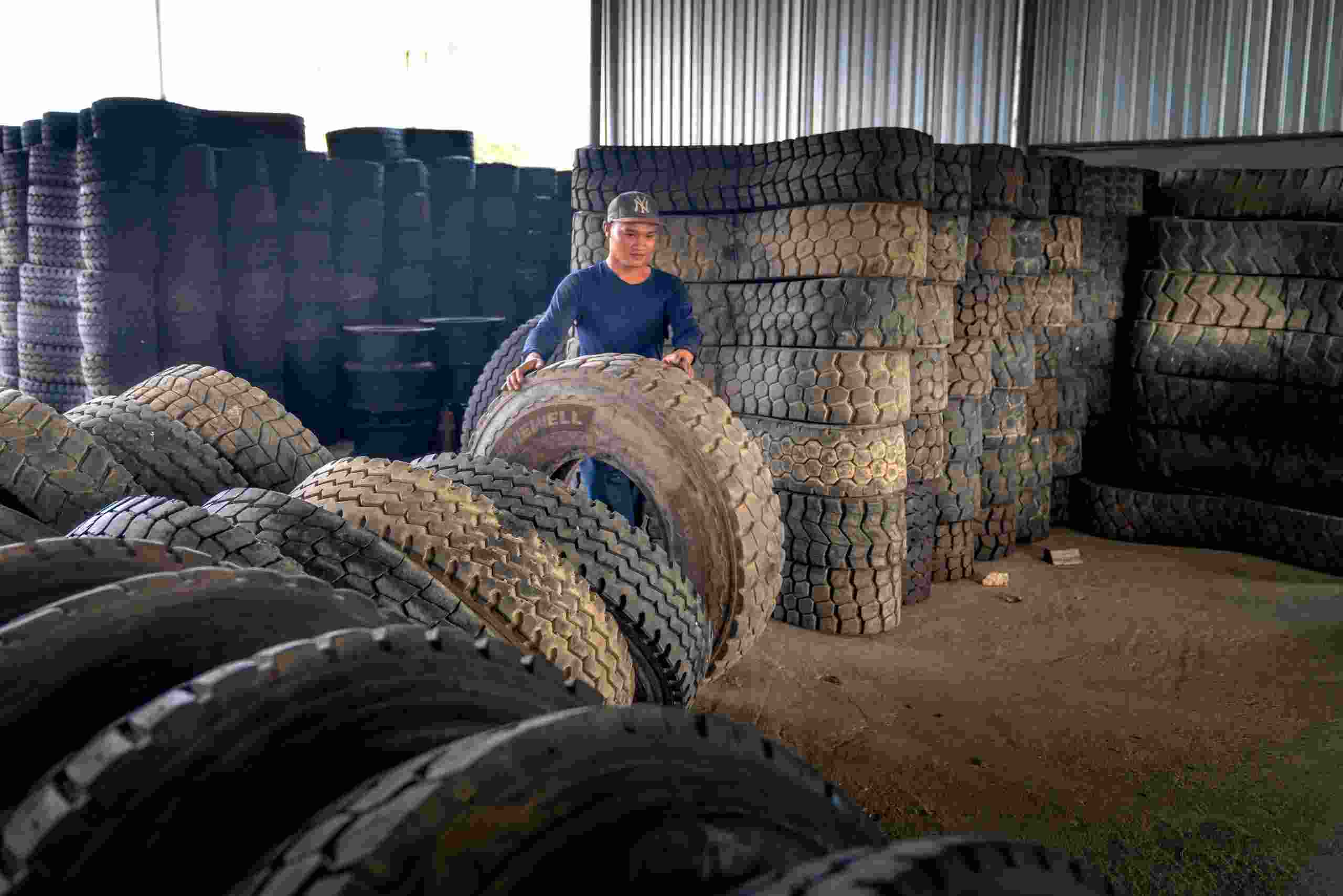
A lending network built for
auto shops
Shop-Specific Underwriting
One Profile, Multiple Offers
No Cost. No Commitment.
Confidential & Discreet
Ready to grow your shop?
Contact Us
Get in Touch with AutoShopLend.com
Thank you for visiting AutoShopLend.com. We appreciate your interest in our website and are here to help answer your questions about automotive business financing, equipment funding, repair shop expansion, working capital, and other commercial lending resources.
AutoShopLend.com is committed to providing educational information and connecting business owners with financing opportunities through our trusted lending and financial service partners.
Contact Information
AutoShopLend.com
A DBA of Feeboards LLC
Address
935 Obenour Ct
Monroe, OH 45050
Phone
(513) 643-0394
How We Can Help
Our team can assist with questions regarding:
- Automotive repair shop financing
- Equipment financing information
- Working capital resources
- Expansion funding options
- Commercial vehicle financing
- Lift and diagnostic equipment financing
- Tool financing resources
- Business funding educational content
- Website questions and general inquiries
If you have questions about information published on our website, please contact us using the information above.
Affiliate Disclosure
AutoShopLend.com is operated by Feeboards LLC and functions as an affiliate marketing website. We are not a bank, direct lender, broker, or financial institution.
Our website publishes educational content and may refer visitors to third-party lenders, financial institutions, or financing providers. If you choose to apply for financing through one of our partners, your application will be processed by that provider according to its own underwriting guidelines, terms, and privacy policies.
We may receive compensation if you click certain links or complete qualifying actions with our affiliate partners. This compensation helps support the operation of our website and allows us to continue providing free educational resources.
Customer Service
We strive to respond to all general inquiries as quickly as possible. Please allow up to 1–2 business days for a response.
Please note that because we are not the lender, we cannot:
- Approve or decline financing applications
- Change loan terms or payment schedules
- Provide updates on submitted applications
- Access your financial information held by a lender
- Make credit decisions
For questions regarding an existing loan or financing agreement, please contact your lender directly.
Partnership Opportunities
If you are a lender, equipment finance company, service provider, or business interested in partnering with AutoShopLend.com, we welcome the opportunity to discuss potential affiliate or advertising relationships.
Privacy Matters
Protecting your privacy is important to us. Any information you voluntarily provide when contacting us will be handled in accordance with our Privacy Policy. We encourage you to review that policy for additional information regarding how your information is collected and used.
Thank You
Thank you for visiting AutoShopLend.com. We appreciate the opportunity to be a trusted educational resource for automotive business owners seeking financing information and look forward to
Body Shop Financing: Complete Guide to Funding, Expansion, Equipment, and Growth
The collision repair industry is one of the largest segments of the automotive service market. From minor dent repairs to complete vehicle reconstruction after major accidents, body shops provide essential services that keep vehicles safe and roadworthy. However, operating a modern collision repair facility requires substantial capital investments in equipment, technology, real estate, inventory, and skilled labor.
This is where Body shop financing becomes critical. Whether you are opening your first collision center, purchasing a competitor, upgrading equipment, or expanding your facility, financing solutions can help preserve cash flow while supporting growth.
This guide explains everything you need to know about financing a body shop, including startup costs, equipment requirements, common loan structures, expansion opportunities, and how financing can support long-term profitability.
Understanding Body Shop Financing
Body shop financing refers to funding solutions designed specifically for collision repair businesses and automotive restoration facilities.
Financing can be used for:
- Building purchases
- Facility renovations
- Paint booth installation
- Frame machines
- Diagnostic equipment
- Working capital
- Payroll
- Inventory
- Expansion projects
- Shop acquisitions
Unlike traditional mechanic shops, body shops often require expensive specialized equipment and larger workspaces.
Why Body Shops Require Significant Capital
Modern vehicles are becoming increasingly complex.
Today’s repair facilities must work with:
- Aluminum body panels
- Carbon fiber components
- Advanced Driver Assistance Systems (ADAS)
- Complex paint matching systems
- Manufacturer repair certifications
As technology advances, equipment costs continue to rise.
Many owners use Body shop financing to remain competitive without draining operating reserves.
Typical Startup Costs for a Body Shop
Opening a collision repair facility can vary dramatically depending on size.
Small Independent Shop
| Category | Estimated Cost |
|---|---|
| Building Lease | $25,000 |
| Equipment | $100,000 |
| Paint Booth | $50,000 |
| Working Capital | $50,000 |
| Inventory | $25,000 |
Total
$250,000+
Mid-Sized Collision Center
| Category | Estimated Cost |
|---|---|
| Building | $500,000 |
| Equipment | $300,000 |
| Paint Booths | $150,000 |
| Staffing | $150,000 |
| Working Capital | $100,000 |
Total
$1.2 Million+
Large Regional Facility
Many regional operations exceed:
$3 million to $10 million+
This often requires substantial auto service center growth funding combined with commercial real estate financing.
Essential Equipment Every Body Shop Needs
Body shops rely on specialized equipment.
Paint Booths
One of the largest expenses.
Typical Cost:
$40,000 to $250,000+
Frame Machines
Used to straighten damaged vehicles.
Typical Cost:
$10,000 to $100,000+
Welding Equipment
Required for structural repairs.
Typical Cost:
$5,000 to $50,000
ADAS Calibration Systems
Increasingly required on newer vehicles.
Typical Cost:
$20,000 to $150,000+
Diagnostic Equipment
Typical Cost:
$5,000 to $50,000
These investments often qualify under Body shop financing programs.
The Growing Importance of Technology
Modern collision centers are becoming technology companies as much as repair facilities.
Advanced systems include:
- Repair management software
- Digital estimating
- Vehicle scanning
- Paint matching systems
- Customer communication platforms
Technology investments frequently become part of broader auto service center growth funding requests.
Collision Center Expansion Opportunities
Successful facilities often outgrow their original space.
Common expansion projects include:
- Additional repair bays
- Larger paint facilities
- Dedicated ADAS areas
- Expanded customer waiting areas
- Increased vehicle storage
Many owners seek collision center expansion financing to support these growth initiatives.
Example Expansion Scenario
Consider a Cincinnati collision center operating from:
- 8,000 square feet
- 8 repair bays
- Revenue of $2 million annually
The owner decides to expand to:
- 15,000 square feet
- 16 repair bays
- Two paint booths
- Dedicated calibration area
Estimated expansion costs:
| Category | Cost |
|---|---|
| Construction | $900,000 |
| Paint Booth | $150,000 |
| Equipment | $250,000 |
| Working Capital | $150,000 |
Total
$1.45 Million
Many projects of this size utilize collision center expansion financing structures.
Revenue Potential After Expansion
Expansion creates opportunities to increase throughput.
Example:
Current Shop Revenue:
$2 million annually
Expanded Facility Potential:
$3.5 million to $5 million annually
Additional services often include:
- Fleet repair
- Manufacturer certifications
- Commercial vehicle repair
- ADAS calibration
These opportunities often justify collision center expansion financing investments.
Performance Shop Financing vs Body Shop Financing
Many collision centers eventually diversify.
Performance services may include:
- Suspension upgrades
- Engine modifications
- Custom fabrication
- Performance tuning
Facilities entering these markets frequently seek performance shop financing to purchase specialized equipment and training.
The two business models share similarities but often require different equipment investments.
Common Uses of Performance Shop Financing
Examples include:
- Dyno equipment
- Fabrication tools
- Welding systems
- Tuning software
- Engine-building equipment
Some hybrid businesses operate both collision and performance divisions, using performance shop financing to support diversification.
Tire Sales and Additional Profit Centers
Many collision centers add tire operations.
Advantages include:
- Increased customer retention
- Additional revenue streams
- Better repair package opportunities
When adding tire inventory and equipment, owners often utilize tire shop financing to support inventory purchases.
Why Tire Sales Increase Profitability
Customers frequently require:
- Tire replacement
- Wheel repairs
- Alignments
- Suspension work
Adding these services can increase average repair order values significantly.
This is one reason some collision facilities combine tire shop financing with expansion projects.
Financing Options Available
Several financing solutions exist.
Equipment Loans
Ideal for:
- Paint booths
- Frame machines
- Scanning systems
SBA Loans
Popular for:
- Facility acquisition
- Expansion projects
- Large equipment purchases
Commercial Real Estate Loans
Useful for property ownership.
Working Capital Loans
Support:
- Payroll
- Inventory
- Operating expenses
Many businesses combine multiple products to create comprehensive auto service center growth funding packages.
Qualifying for Financing
Lenders typically evaluate:
Business Revenue
Consistent revenue improves approval odds.
Time in Business
Most lenders prefer at least two years.
Credit History
Business and personal credit may be reviewed.
Cash Flow
Strong operating margins help.
Existing Debt
Debt service coverage is important.
Established collision centers often qualify for larger Body shop financing approvals.
Staffing Considerations
Growth requires personnel.
Typical positions include:
- Estimators
- Body technicians
- Painters
- Detailers
- Customer service staff
Labor shortages remain a challenge throughout the industry.
Many financing packages include working capital to support hiring initiatives.
Industry Challenges
Body shop owners face several ongoing challenges:
Parts Delays
Supply chain disruptions continue.
Insurance Relationships
Direct repair program requirements can change.
Rising Labor Costs
Technician wages continue increasing.
Technology Costs
Vehicle complexity requires ongoing investment.
Proper planning helps reduce these risks.
Estimated Cost Breakdown by Major Category
Approximate costs for major body shop equipment and expansion needs.
$0$250K$500K$750K$1MBuilding ExpansionEquipment PackagePaint BoothWorking CapitalADAS SystemsFrame Equipment
Internal Links
Consider linking internally to:
- Auto Shop Equipment Financing
- Commercial Garage Expansion Loans
- Working Capital for Auto Repair Businesses
- Collision Repair Equipment Financing
- Business Acquisition Loans
External Resources
Helpful resources include:
- Automotive Service Association (ASA)
- I-CAR Training Organization
- U.S. Small Business Administration (SBA)
- Occupational Safety and Health Administration (OSHA)
Final Thoughts
The collision repair industry continues to evolve as vehicles become more technologically advanced and repair procedures become more specialized. Modern facilities require significant investments in equipment, technology, staffing, and infrastructure to remain competitive.
Strategic use of Body shop financing, performance shop financing, collision center expansion financing, auto service center growth funding, and tire shop financing can help owners preserve working capital while positioning their businesses for long-term success. Whether you’re launching a startup operation, acquiring a competitor, expanding a collision center, or adding new profit centers, the right financing strategy can provide the resources necessary to grow while maintaining healthy cash flow and operational flexibility.
Performance Shop Financing: Complete Guide to Funding a High-Performance Automotive Business
The high-performance automotive industry has grown from a niche hobby into a multi-billion-dollar market. Enthusiasts spend thousands—and sometimes hundreds of thousands—of dollars upgrading vehicles for more horsepower, better handling, faster acceleration, improved braking, and custom appearances. From turbocharged street cars to dedicated race builds, performance shops are the businesses that make these dreams a reality.
However, performance shops require far more specialized equipment than traditional repair garages. Expensive dynos, fabrication tools, tuning software, welding equipment, and custom inventory create significant startup and operating costs. This is why performance shop financing has become one of the most important funding tools for automotive entrepreneurs.
Whether you are opening a new performance facility, adding services to an existing repair shop, or expanding into a larger location, understanding the costs and financing options available can help you grow efficiently while preserving cash flow.
What Is a Performance Shop?
A performance shop specializes in modifying vehicles to improve:
- Horsepower
- Torque
- Acceleration
- Handling
- Suspension
- Braking
- Aerodynamics
- Custom appearance
Unlike a standard mechanic shop, performance facilities often work on projects that range from $2,000 bolt-on upgrades to complete vehicle builds exceeding $100,000.
Popular customer vehicles include:
- Ford Mustang
- Chevrolet Camaro
- Dodge Challenger
- Chevrolet Corvette
- Nissan GT-R
- Toyota Supra
- Subaru WRX
- BMW M Series
- Audi RS Models
- Porsche sports cars
Most owners use performance shop financing to purchase the specialized equipment needed to service these vehicles.
Why Performance Shops Need More Capital
Performance vehicles require precision work.
A typical repair garage might focus on:
- Oil changes
- Brake repairs
- Tire replacement
A performance shop often handles:
- Engine building
- Turbo installations
- Dyno tuning
- Custom fabrication
- Race preparation
The equipment costs alone can easily exceed several hundred thousand dollars.
Because of these expenses, many businesses seek auto service center growth funding to support expansion and modernization.
Startup Costs for a Performance Shop
The size and scope of the facility dramatically impact startup costs.
Small Startup Shop
| Category | Cost |
|---|---|
| Facility Lease | $25,000 |
| Lifts | $30,000 |
| Tools | $40,000 |
| Inventory | $50,000 |
| Working Capital | $50,000 |
Total
Approximately $195,000
Mid-Sized Performance Shop
| Category | Cost |
|---|---|
| Facility | $250,000 |
| Equipment | $250,000 |
| Inventory | $150,000 |
| Marketing | $50,000 |
| Working Capital | $100,000 |
Total
Approximately $800,000
Large Regional Performance Facility
Premium facilities often exceed:
$2 million to $10 million+
These projects commonly utilize auto service center growth funding structures that combine equipment, real estate, and working capital financing.
Essential Equipment Every Performance Shop Needs
The equipment list for a serious performance operation is extensive.
Vehicle Lifts
Multiple lifts are required.
Typical Cost:
$5,000 to $15,000 each
A six-bay facility may spend:
$30,000 to $90,000
Chassis Dynamometer
A dyno is often the centerpiece of the business.
Two-Wheel Drive Dyno
$40,000 to $80,000
All-Wheel Drive Dyno
$80,000 to $250,000+
A quality dyno is often one of the largest purchases funded through performance shop financing.
Welding Equipment
Performance fabrication requires:
- MIG welders
- TIG welders
- Plasma cutters
Typical Cost:
$5,000 to $30,000
Fabrication Equipment
Includes:
- Tube benders
- CNC equipment
- Metal brakes
- Shears
Cost Range:
$10,000 to $150,000+
Engine Building Equipment
Includes:
- Balancing machines
- Engine stands
- Measuring tools
Cost Range:
$10,000 to $75,000
Tuning Software and Technology
Modern performance shops rely heavily on software.
Examples include:
- HP Tuners
- Cobb Tuning
- EFI Live
- Holley EFI
- Haltech
Annual software and licensing costs often range from:
$5,000 to $50,000+
Technology investments frequently become part of larger performance shop financing requests.
Inventory Requirements
Inventory is often underestimated.
Performance shops commonly stock:
- Turbochargers
- Superchargers
- Fuel injectors
- Intercoolers
- Exhaust systems
- Suspension components
- Brake kits
Inventory requirements can range from:
$50,000 to $500,000+
Working capital often plays a significant role in auto service center growth funding applications.
Engine Building Division
Many successful shops generate significant revenue from engine builds.
Typical services include:
- Forged internals
- Camshaft upgrades
- Cylinder head modifications
- Crate engine installations
Average Project Revenue:
$5,000 to $40,000+
Specialized engine programs are frequently funded through performance shop financing solutions.
Turbocharger and Supercharger Installations
Forced induction remains one of the most profitable areas of the industry.
Common upgrades include:
- Single turbo systems
- Twin turbo systems
- Centrifugal superchargers
- Roots-style superchargers
Average Project Value:
$4,000 to $25,000+
Suspension and Handling Upgrades
Performance customers often seek improved handling.
Services include:
- Coilovers
- Adjustable control arms
- Performance sway bars
- Track alignments
Revenue Potential:
$1,000 to $10,000 per project
Brake System Upgrades
Increased horsepower requires better stopping power.
Common installations include:
- Big brake kits
- Performance rotors
- Stainless brake lines
Revenue Potential:
$1,500 to $15,000+
Facility Requirements
Unlike standard repair garages, performance facilities benefit from additional space.
Typical requirements include:
Dyno Room
Noise-controlled environment
Fabrication Area
Separate welding and cutting section
Engine Assembly Room
Clean environment for precision work
Parts Storage
Climate-controlled inventory area
Customer Showroom
Display vehicles and products
Facility improvements often qualify for auto service center growth funding.
Relationship with Collision Centers
Many performance businesses partner with body shops.
Examples include:
- Widebody installations
- Custom paint
- Aerodynamic modifications
- Carbon fiber upgrades
Some owners expand into collision repair and utilize collision center expansion financing when adding paint and body services.
This diversification creates additional revenue streams.
Why Some Shops Add Collision Services
Benefits include:
- Larger customer base
- Increased repair opportunities
- Insurance-related work
- Higher average ticket values
Growth projects involving paint booths and body equipment often require collision center expansion financing.
Tire Sales and Wheel Packages
Many performance facilities sell:
- Racing tires
- High-performance street tires
- Custom wheels
- Track packages
A performance tire inventory can easily exceed:
$50,000 to $250,000
Many businesses utilize tire shop financing to build inventory without impacting cash reserves.
Why Tire Sales Matter
Tires generate recurring revenue.
Performance enthusiasts frequently replace:
- Drag radials
- Track tires
- Summer tires
- Performance all-season tires
As sales increase, tire shop financing can help support larger inventory purchases.
Hiring Skilled Technicians
Performance work requires highly specialized talent.
Key positions include:
Tuners
$75,000 to $150,000+
Fabricators
$60,000 to $120,000+
Engine Builders
$75,000 to $150,000+
Technicians
$50,000 to $100,000+
Labor costs are often included in broader auto service center growth funding requests.
Typical Financing Uses
Owners frequently use financing for:
- Dyno purchases
- Lift installations
- Inventory expansion
- Facility improvements
- Marketing
- Payroll
- Working capital
Most lenders understand that specialized automotive businesses require significant investment before revenue reaches its full potential.
Example Performance Shop Budget
A mid-sized facility might require:
| Category | Cost |
|---|---|
| Dyno | $150,000 |
| Vehicle Lifts | $60,000 |
| Fabrication Equipment | $75,000 |
| Inventory | $150,000 |
| Software | $20,000 |
| Working Capital | $100,000 |
Total Investment
$555,000
Many owners utilize performance shop financing to spread these costs over several years.
Estimated Cost Breakdown
Estimated investment categories for a mid-sized performance automotive facility.
Internal Links
Consider linking internally to:
- Automotive Equipment Financing
- Dyno Financing Programs
- Auto Shop Expansion Loans
- Commercial Garage Financing
- Working Capital for Automotive Businesses
External Resources
Helpful industry resources include:
- Performance Racing Industry (PRI)
- SEMA (Specialty Equipment Market Association)
- Automotive Service Association (ASA)
- U.S. Small Business Administration (SBA)
Final Thoughts
A successful performance automotive business requires much more than a few lifts and hand tools. Modern facilities need dynos, fabrication equipment, tuning software, inventory, highly skilled technicians, and sufficient working capital to handle complex projects. Startup costs can range from under $200,000 for a small operation to several million dollars for a large regional performance center.
Strategic use of performance shop financing, Body shop financing, collision center expansion financing, auto service center growth funding, and tire shop financing allows owners to build comprehensive automotive businesses while preserving cash flow. Whether your goal is opening a specialty tuning shop, expanding into fabrication and engine building, or creating a full-service performance center, the right financing strategy can provide the capital needed to turn automotive passion into a highly profitable business.