
AUTO BODY EQUIPMENT LOANS ARE AVAILABLE
AUTO REPAIR FINANCING MATCHING SERVICE
Get matched with lenders that specialize
in auto shop financing
- Soft credit pull
- No cost to you
- Private & secure
Soft Credit Pull
No Cost to You
Industry Specialists
One Application
Loan Programs
Financing for every shop need
Affiliate Disclosure: We are an affiliate marketing website and may receive compensation from lending partners. We are not a lender, do not make credit decisions, and do not guarantee approval. Loan terms and rates are determined by individual lenders.
Equipment Financing
Working Capital
Shop Build-Out & Expansion
Acquisition Loans
Fast Cash Advances
Commercial Real Estate
How It Works
A simple, confidential four-step
process
Apply once. We connect you with specialty lenders. You compare offers privately. You decide.
Tell Us About Your Shop
Get Matched
Compare Offers
Fund & Get Back to Work
Estimate Your Monthly Payment
Move the sliders to see how loan amount, term, and rate shape your monthly cost. Illustrative estimates only — your actual offer depends on your matched lender.
Rate slider is for illustration only. Actual rates vary by shop type, time in business, monthly revenue, lender, and credit profile.
Illustrative estimates only. Not an offer of credit. Actual terms determined by lender.
Who We Serve
Financing for every shop type
General Auto Repair
Body & Collision
Tire Shops
Quick Lube
Transmission
Auto Detailing
Fleet Service
Multi-Location
A lending network built for
auto shops
Shop-Specific Underwriting
One Profile, Multiple Offers
No Cost. No Commitment.
Confidential & Discreet
Ready to grow your shop?
Vehicle Inspection Equipment Financing: Complete Guide to Funding Modern Inspection Technology
Vehicle inspections have become far more advanced than simply checking brakes, lights, and tires. Modern vehicles contain sophisticated electronics, advanced safety systems, emissions controls, cameras, radar sensors, and computer networks that require specialized equipment to inspect properly. For repair facilities, dealerships, fleet operators, and inspection stations, investing in inspection technology is essential for staying competitive and compliant.
Because the cost of modern inspection equipment can quickly reach tens or even hundreds of thousands of dollars, many businesses utilize vehicle inspection equipment financing to acquire the tools they need without draining working capital.
This guide explains everything you need to know about inspection equipment, costs, financing options, revenue opportunities, and how Auto body equipment loans, tire service center financing, tire machine financing, and tire inventory financing can complement a growing automotive business.
What Is Vehicle Inspection Equipment?
Vehicle inspection equipment includes the tools and technology used to evaluate a vehicle’s safety, emissions, performance, and operational condition.
Modern inspections often cover:
- Brake systems
- Suspension components
- Tire condition
- Steering systems
- Emissions systems
- Electronic control modules
- ADAS systems
- Engine diagnostics
- Battery health
- Alignment measurements
Many businesses rely on vehicle inspection equipment financing to keep pace with constantly changing vehicle technology.
Why Inspection Equipment Is More Important Than Ever
Modern vehicles contain dozens of computers.
Many newer vehicles include:
- Adaptive cruise control
- Lane departure warning
- Blind spot monitoring
- Automatic emergency braking
- Parking assistance systems
- Driver monitoring systems
Without advanced inspection tools, shops may miss problems that affect safety and liability.
This growing complexity has made vehicle inspection equipment financing a common need for repair facilities of all sizes.
Types of Inspection Equipment
Inspection equipment ranges from basic handheld tools to highly sophisticated diagnostic systems.
Scan Tools
Professional scan tools communicate with vehicle computers.
Typical Cost:
$2,000 to $15,000
Capabilities include:
- Reading fault codes
- Programming modules
- Bi-directional controls
- Live data monitoring
ADAS Calibration Equipment
Advanced Driver Assistance Systems require specialized calibration.
Typical Cost:
$20,000 to $100,000+
These systems verify:
- Radar sensors
- Cameras
- Lane-keeping systems
- Collision avoidance technology
Many shops utilize vehicle inspection equipment financing to purchase these systems.
Brake Testing Equipment
Brake testing machines evaluate:
- Stopping power
- Brake balance
- Hydraulic system performance
Typical Cost:
$5,000 to $50,000
Alignment Systems
Modern alignment machines assist with:
- Suspension diagnostics
- Tire wear analysis
- Steering system evaluation
Typical Cost:
$15,000 to $80,000
Emissions Testing Equipment
Certain states require emissions inspections.
Equipment costs typically range from:
$10,000 to $75,000
The Cost of Building a Complete Inspection Center
A professional inspection facility often requires:
| Equipment | Estimated Cost |
|---|---|
| Scan Tools | $10,000 |
| Alignment System | $40,000 |
| ADAS Equipment | $60,000 |
| Brake Testing Equipment | $25,000 |
| Emissions Equipment | $30,000 |
| Software Licenses | $15,000 |
Estimated Total
$180,000+
This is why many businesses seek vehicle inspection equipment financing rather than paying cash upfront.
Why Financing Makes Sense
Many automotive businesses prefer financing because it allows them to:
- Preserve cash reserves
- Upgrade technology more frequently
- Maintain liquidity
- Match equipment costs with revenue generation
- Expand operations faster
Instead of spending $180,000 immediately, a facility can spread costs over several years.
Inspection Equipment Revenue Opportunities
Inspection services generate recurring income.
Examples include:
State Inspections
$15 to $100 per vehicle
Commercial Vehicle Inspections
$50 to $300 per vehicle
Pre-Purchase Inspections
$100 to $500 per inspection
Fleet Inspections
$10,000 to $500,000+ annually
ADAS Verification
$150 to $1,000 per vehicle
The revenue generated often exceeds financing costs.
Inspection Equipment for Body Shops
Collision repair centers increasingly require inspection technology.
After repairs, technicians must verify:
- Structural integrity
- Electronic systems
- ADAS calibration
- Safety systems
Because of these requirements, many collision centers combine Auto body equipment loans with inspection equipment financing packages.
Why Auto Body Shops Need Inspection Technology
Modern insurance carriers frequently require:
- Electronic documentation
- Calibration verification
- Repair validation reports
Many repair facilities use Auto body equipment loans to acquire both repair equipment and inspection technology simultaneously.
Tire Service Centers and Inspections
Tire shops are no longer simply selling tires.
Modern tire facilities inspect:
- Suspension systems
- Steering components
- Alignment conditions
- Brake wear
These inspections create additional sales opportunities while improving customer safety.
Many expanding facilities utilize tire service center financing when upgrading inspection equipment.
Inspection Equipment for Tire Shops
A typical tire service center may need:
- Alignment machines
- Tire tread analyzers
- Brake inspection systems
- Suspension diagnostic tools
These investments are often funded through tire service center financing programs.
Tire Machines and Inspection Technology
Many inspections lead directly to tire replacement recommendations.
Because of this connection, businesses frequently combine inspection equipment purchases with tire machine financing.
Equipment may include:
- Tire changers
- Wheel balancers
- Road force balancers
- TPMS programming tools
A complete package can cost:
$10,000 to $75,000+
Why Tire Machine Financing Is Common
Tire equipment generates revenue daily.
Benefits include:
- Increased productivity
- Faster service times
- Improved customer satisfaction
- Additional repair opportunities
Many businesses pair tire machine financing with inspection equipment purchases to create comprehensive service centers.
Inventory Requirements
Inspection programs often reveal tire replacement needs.
As a result, facilities commonly increase inventory levels.
Inventory categories include:
- Passenger tires
- Truck tires
- Performance tires
- Commercial tires
To support these purchases, many operators utilize tire inventory financing.
Tire Inventory Costs
Even a modest inventory can require:
$25,000 to $100,000+
Large regional operations may carry:
$250,000 to $1 million+
Many businesses rely on tire inventory financing to maintain adequate stock without reducing available working capital.
Fleet Inspection Opportunities
Fleet inspections are among the most profitable opportunities in the industry.
Potential clients include:
- Delivery companies
- Municipal governments
- Utility companies
- School districts
- Construction companies
Fleet contracts often create recurring revenue streams and justify larger equipment investments.
Software and Subscription Costs
Modern inspection systems often require annual subscriptions.
Examples include:
- Diagnostic databases
- OEM repair information
- Calibration updates
- Cloud reporting systems
Annual costs may range from:
$2,000 to $25,000+
These recurring expenses should be included in budgeting projections.
Qualifying for Financing
Lenders typically review:
Time in Business
Usually 2+ years preferred.
Annual Revenue
Higher revenues generally improve terms.
Credit Profile
Personal and business credit may be considered.
Cash Flow
Strong operating performance improves approval odds.
Existing Debt
Current obligations affect borrowing capacity.
Businesses with stable cash flow generally qualify more easily.
Common Mistakes to Avoid
Purchasing Too Little Equipment
Technology requirements continue increasing.
Ignoring Software Costs
Subscriptions can be substantial.
Failing to Train Technicians
Equipment is only valuable when properly used.
Delaying Upgrades
Outdated equipment can reduce profitability.
Underestimating Calibration Needs
ADAS systems continue expanding across vehicle platforms.
Inspection Equipment Cost Breakdown
Estimated costs for major inspection technologies used by automotive facilities.
Internal Links
Consider linking internally to:
- Automotive Equipment Financing
- ADAS Calibration Equipment Loans
- Commercial Garage Financing
- Fleet Maintenance Financing
- Auto Shop Expansion Loans
External Resources
Helpful resources include:
- National Highway Traffic Safety Administration (NHTSA)
- Automotive Service Association (ASA)
- U.S. Small Business Administration (SBA)
- ASE Certification Organization
Final Thoughts
Vehicle inspections are no longer simple visual checks. Today’s vehicles require sophisticated diagnostic tools, calibration systems, software platforms, and reporting technology to ensure safety and compliance. A fully equipped inspection operation can easily require investments exceeding $150,000 to $250,000, making financing an attractive option for many businesses.
Strategic use of vehicle inspection equipment financing, Auto body equipment loans, tire service center financing, tire machine financing, and tire inventory financing allows automotive businesses to modernize operations while preserving cash flow. Whether you’re operating a repair garage, collision center, inspection station, dealership, or tire facility, investing in modern inspection technology can improve profitability, enhance customer trust, and position your business for long-term growth.
Tire Inventory Financing: Complete Guide for High-Volume Tire Companies
Running a successful tire business requires more than skilled technicians and modern equipment. The lifeblood of any tire retailer, distributor, or service center is inventory. Customers expect immediate availability, whether they need budget passenger tires, high-performance summer tires, off-road truck tires, commercial fleet tires, or specialty agricultural products.
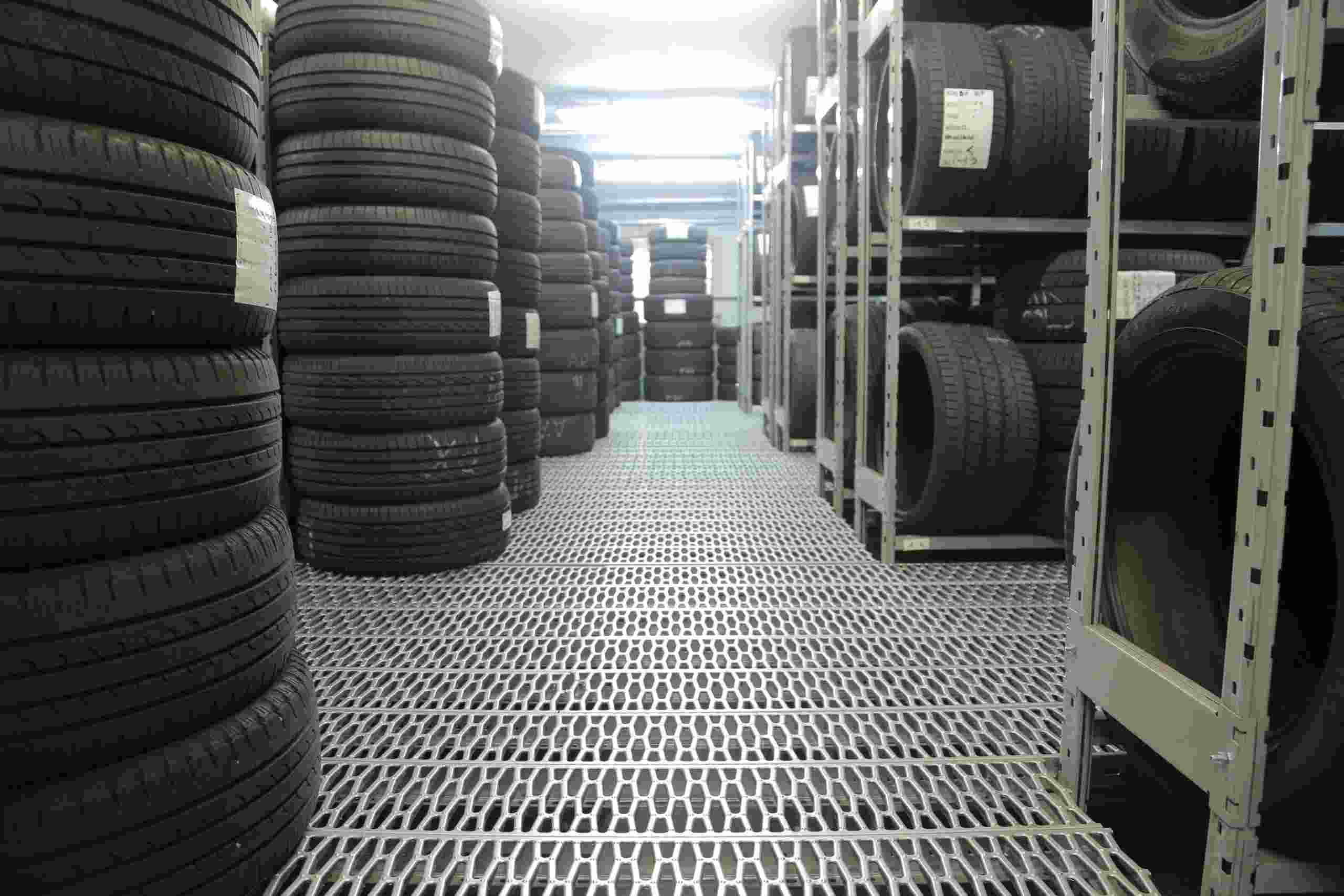
The challenge is that inventory is expensive. A high-volume tire operation may carry hundreds of thousands or even millions of dollars worth of product at any given time. Because few businesses want to tie up that much cash, many rely on tire inventory financing to maintain stock levels while preserving working capital.
This guide explains everything you need to know about inventory financing, how large tire companies use it, the costs involved, the risks and rewards, and how vehicle inspection equipment financing, Auto body equipment loans, tire service center financing, and tire machine financing often work together to support growth.
What Is Tire Inventory Financing?
Tire inventory financing is a funding solution that allows tire businesses to purchase inventory without paying the entire cost upfront.
Instead of using cash reserves, a lender or finance company provides capital for inventory purchases while the business repays the financing over time.
This allows companies to:
- Maintain larger inventories
- Improve product availability
- Take advantage of bulk purchasing discounts
- Preserve cash flow
- Support seasonal demand
For many tire retailers, tire inventory financing is one of the most important tools for growth.
Why Inventory Is So Expensive
Many consumers underestimate the cost of maintaining tire inventory.
A single tire can cost a retailer:
- $60 to $100 for economy tires
- $100 to $250 for mid-range tires
- $250 to $500 for premium tires
- $500 to $2,000+ for specialty tires
When multiplied across thousands of tires, inventory values increase rapidly.
Example: High-Volume Tire Company
Let’s look at a hypothetical regional tire company.
Company Profile
- 10 retail locations
- 50 service bays
- 80 employees
- 20,000 tires in inventory
Average wholesale tire cost:
$180
Inventory Value:
20,000 × $180 = $3.6 million
Few businesses want to keep $3.6 million tied up in inventory.
This is why tire inventory financing is commonly used throughout the industry.
Types of Inventory Carried
A large tire operation typically stocks:
Passenger Tires
The largest category.
Examples:
- All-season tires
- Touring tires
- Winter tires
Light Truck Tires
Popular with pickup owners.
Examples:
- All-terrain tires
- Mud-terrain tires
- Highway tires
Performance Tires
Designed for sports cars.
Examples:
- Summer tires
- Ultra-high-performance tires
Commercial Truck Tires
Used by:
- Delivery fleets
- Logistics companies
- Construction firms
Specialty Tires
Examples include:
- Agricultural tires
- Industrial tires
- Mining tires
The larger the selection, the greater the need for tire inventory financing.
Why Inventory Matters
Customers increasingly expect immediate availability.
When a shop lacks inventory:
- Sales are delayed
- Customers leave
- Competitors benefit
- Revenue suffers
Having product available immediately often determines whether a sale is won or lost.
This is one of the primary reasons companies utilize tire inventory financing.
Seasonal Inventory Demands
Inventory levels fluctuate throughout the year.
Spring
Increased demand for:
- Performance tires
- Summer tires
Fall
Increased demand for:
- Winter tires
- All-weather tires
Commercial Fleets
Demand remains relatively stable year-round.
Businesses often increase borrowing levels seasonally through tire inventory financing programs.
Advantages of Bulk Purchasing
Manufacturers frequently offer discounts for larger purchases.
Benefits include:
- Lower per-unit costs
- Better profit margins
- Improved supplier relationships
- Preferred allocation during shortages
Inventory financing often allows companies to capture these savings.
Typical Financing Structures
Several options are available.
Revolving Inventory Lines
Businesses borrow as inventory is purchased.
Benefits:
- Flexible access to capital
- Reusable credit availability
- Seasonal adaptability
Inventory Loans
Fixed-term financing.
Benefits:
- Predictable payments
- Fixed repayment schedules
Asset-Based Lending
Inventory serves as collateral.
Benefits:
- Larger borrowing limits
- Lower rates in some cases
How Lenders Evaluate Inventory
Lenders often consider:
Inventory Turnover
How quickly inventory sells.
Product Mix
Popular products reduce risk.
Sales History
Consistent revenue improves approval chances.
Storage Conditions
Proper warehousing protects collateral.
Supplier Relationships
Strong vendor partnerships strengthen applications.
Storage Requirements
Large inventory requires substantial warehouse space.
Example:
20,000 tires may require:
- 25,000 to 40,000 square feet
- Racking systems
- Inventory management software
- Material handling equipment
Warehouse improvements often accompany inventory growth.
Tire Service Center Expansion
Many inventory-focused businesses also expand service operations.
Examples include:
- Additional service bays
- New locations
- Alignment services
- Fleet service divisions
These projects frequently utilize tire service center financing alongside inventory funding.
Tire Service Center Financing and Inventory Growth
As inventory expands, service demand often increases.
Additional funding may support:
- Facility expansion
- Additional technicians
- New service lanes
- Customer waiting areas
Many lenders package tire service center financing with inventory lending to create comprehensive growth solutions.
Tire Machines and Equipment
More inventory usually means more installations.
Essential equipment includes:
- Tire changers
- Wheel balancers
- Road force balancers
- TPMS tools
These purchases commonly qualify for tire machine financing.
Cost of Tire Equipment
A modern tire department may require:
| Equipment | Cost |
|---|---|
| Tire Changer | $5,000-$15,000 |
| Wheel Balancer | $5,000-$20,000 |
| Road Force Balancer | $10,000-$30,000 |
| TPMS Equipment | $2,000-$10,000 |
Many companies utilize tire machine financing to spread these costs over time.
Inspection Services Create Additional Revenue
Large tire operations increasingly provide inspection services.
Common inspections include:
- Brake inspections
- Suspension inspections
- Alignment checks
- Tire wear analysis
To support these services, businesses often invest in diagnostic equipment through vehicle inspection equipment financing.
Why Inspection Equipment Matters
Inspection technology can uncover:
- Brake issues
- Suspension wear
- Alignment problems
- Steering concerns
These findings often lead to additional service revenue.
As operations grow, many businesses combine vehicle inspection equipment financing with inventory expansion strategies.
Auto Body Relationships
Many tire retailers partner with collision repair centers.
Common referrals include:
- Wheel replacements
- Tire replacements after accidents
- Alignment verification
Collision repair facilities often invest in technology through Auto body equipment loans, creating mutually beneficial relationships with tire providers.
How Auto Body Equipment Loans Connect to Tire Sales
After collision repairs, vehicles frequently require:
- Tire replacement
- Alignment services
- Wheel repairs
Facilities that utilize Auto body equipment loans often become valuable referral sources for tire businesses.
Cash Flow Considerations
Inventory growth creates additional expenses.
Examples include:
- Rent
- Payroll
- Insurance
- Transportation
- Warehouse labor
A successful financing strategy balances inventory growth with operating cash needs.
Common Inventory Mistakes
Overstocking Slow Sellers
Not all tires move at the same rate.
Ignoring Regional Demand
Product selection should reflect local needs.
Poor Inventory Management
Excess stock ties up capital.
Insufficient Warehouse Space
Storage limitations create inefficiencies.
Failing to Forecast Demand
Seasonal demand spikes can create shortages.
Example High-Volume Tire Budget
Regional Tire Chain:
| Category | Investment |
|---|---|
| Tire Inventory | $3,600,000 |
| Warehouse Equipment | $250,000 |
| Tire Equipment | $150,000 |
| Inspection Equipment | $100,000 |
| Working Capital | $500,000 |
Total Investment
$4.6 Million
Typical Investment Breakdown
Example costs for a regional tire company operating multiple locations.
Internal Links
Consider linking internally to:
- Tire Shop Business Loans
- Commercial Tire Equipment Financing
- Inventory Financing Solutions
- Fleet Tire Service Financing
- Automotive Working Capital Loans
External Resources
Helpful resources include:
- U.S. Small Business Administration (SBA)
- Tire Industry Association (TIA)
- Automotive Service Association (ASA)
- National Highway Traffic Safety Administration (NHTSA)
Final Thoughts
Inventory is the engine that drives every successful tire operation. Whether a company operates one location or a regional network of stores, maintaining adequate inventory is critical for customer satisfaction, revenue generation, and long-term growth. High-volume operators often carry millions of dollars in inventory, making financing a practical necessity rather than a luxury.
Strategic use of tire inventory financing, vehicle inspection equipment financing, Auto body equipment loans, tire service center financing, and tire machine financing can help tire businesses expand inventory, improve service capabilities, increase profitability, and remain competitive in an increasingly demanding marketplace. By balancing inventory levels with operational efficiency, tire companies can create sustainable growth while preserving the cash flow needed to support daily operations and future expansion.