

From new equipment and tire inventory to garage construction and business expansion, Auto Shop Lend helps automotive businesses find financing options to keep their shops running and growing.

Vehicle lift loans and shop compressor financing can help qualified automotive businesses purchase essential equipment for expanding service capacity and improving shop efficiency. Automotive business acquisition funding and performance shop financing can provide capital for purchasing or growing specialized automotive businesses, while shop compressor financing may help owners spread the cost of new compressed-air equipment over time.
Financing options designed around the needs of automotive repair and service businesses.
Get the funding you need to keep the parts, tires, and products your customers need in stock.
Upgrade the tools and equipment that help your technicians work efficiently and serve more customers.
Take your shop to the next level with financing options for improvements, expansion, and growth.
Whether you’re looking for equipment, inventory, construction, repairs, or expansion financing, start by telling us about your business and what you’re looking to accomplish.
Your shop is different from a typical business. Your financing needs can involve equipment, inventory, facilities, vehicles, tools, and expansion.
Whether you need inventory financing, construction financing, or funding for your next expansion, explore options for the needs that matter to your business.
When equipment needs replacing or inventory needs replenishing, access to the right financing can help you keep your business operating.
Opening another location? Expanding your garage? Adding services? Financing can help you turn your next business opportunity into a plan.
Whether you’re building a new garage, adding equipment, stocking up on inventory, or expanding your automotive business, Auto Shop Lend can help you explore financing options for your next move.
From everyday business needs to major expansion projects, explore financing options designed around automotive businesses and the work they do every day.
Affiliate Disclosure: We are an affiliate marketing website and may receive compensation from lending partners. We are not a lender, do not make credit decisions, and do not guarantee approval. Loan terms and rates are determined by individual lenders.
Auto Shop Lend focuses on financing for automotive businesses. The site helps shop owners explore financing options for business needs such as equipment, inventory, construction, expansion, and other shop-related expenses.
Depending on the financing option, funds may be used for business needs such as equipment, inventory, facility improvements, construction, expansion, and other qualified expenses.
Auto shops often need specialized equipment to operate and grow. Auto Shop Lend helps businesses explore financing options for equipment and other business needs.
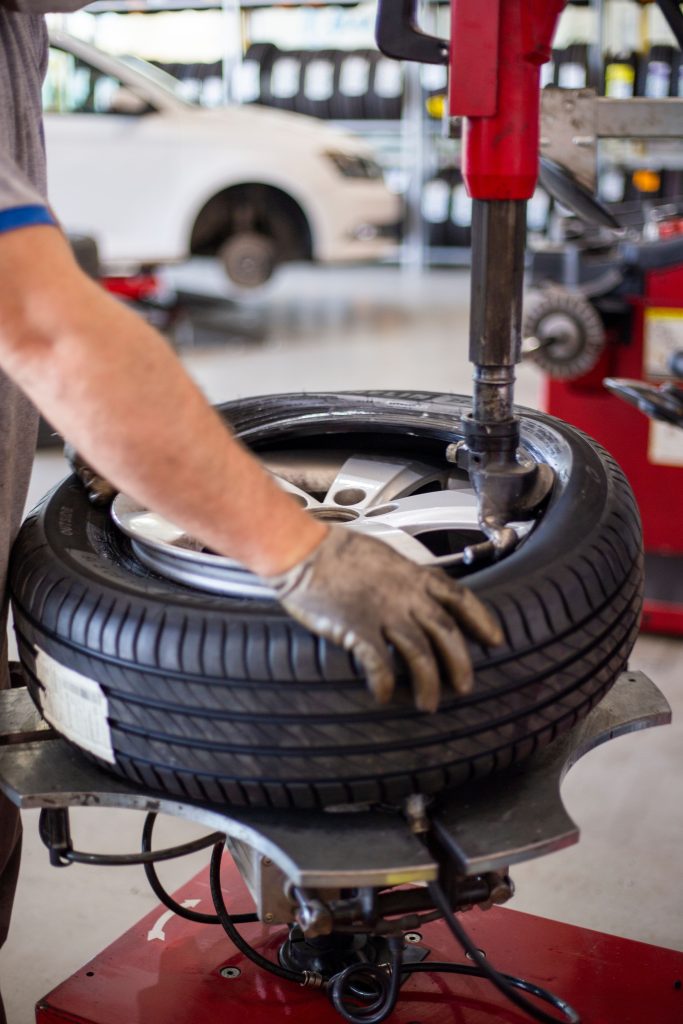
Tire inventory can represent a significant expense for tire dealers and automotive service businesses. Inventory financing can help eligible businesses explore funding for stocking the products they need.
Garage construction financing can help eligible automotive businesses explore funding for building, expanding, or improving their facilities.
Yes. Auto repair shop expansion may require additional space, equipment, inventory, or facility improvements. Auto Shop Lend helps businesses explore financing options for these types of growth projects.
Transmission shops have specialized equipment, tools, inventory, and operating needs. Auto Shop Lend provides financing-focused resources for automotive businesses looking for funding options.
Automotive businesses can require substantial amounts of capital to start, modernize, acquire, or expand. A repair facility may need new lifts, compressors, diagnostic scanners, alignment equipment, tire machines, specialty tools, inventory, software, facility improvements, and working capital. An owner purchasing an existing operation may face an entirely different set of financial requirements.
The key is matching the financing structure with the business purpose. Long-lived equipment, commercial property, acquisition costs, and everyday operating expenses should not automatically be treated as one financial need.
For owners researching financing through AutoShopLend.com, the following sections explain several common situations and how business owners can prepare for them.
Vehicle lift loans may help qualified businesses obtain two-post lifts, four-post lifts, alignment lifts, heavy-duty systems, or other equipment without paying the entire purchase price from available cash. Owners should consider equipment price, installation, electrical requirements, concrete work, inspection requirements, and maintenance when determining the project’s actual cost.
Shop compressor financing can serve a similar purpose for businesses replacing or installing compressed-air systems. A larger service facility may need considerably more than the compressor itself because piping, dryers, electrical work, storage tanks, installation, and related equipment can add to the project.
Owners considering automotive business acquisition funding have broader requirements. Purchasing an existing repair facility can involve equipment, inventory, real estate, goodwill, customer relationships, and other business assets. Buyers should understand exactly what is included in the proposed transaction.
Established businesses seeking mechanic shop growth financing may use capital for additional bays, equipment, employees, inventory, renovations, technology, or another location, depending on the financing arrangement.
Specialty operations can have different requirements. Performance shop financing might support qualifying investments in dynamometers, fabrication equipment, diagnostic systems, lifts, specialty tools, tuning technology, or facility improvements.
SBA’s 7(a) program currently allows eligible proceeds for machinery and equipment, real estate, working capital, supplies, and complete or partial changes of ownership.
When comparing Vehicle lift loans, owners should consider how long the equipment is expected to remain productive. Financing a durable piece of shop equipment is different from borrowing for an expense that produces only a short-term benefit.
The same principle applies to Shop compressor financing. Owners can obtain equipment quotations before seeking capital so they understand the complete installed cost rather than budgeting only for the primary machine.
With automotive business acquisition funding, buyers should evaluate the expected cash flow of the company being purchased. Historical revenue alone does not reveal profitability, debt obligations, required capital expenditures, or the amount of cash necessary to operate after closing.
Companies evaluating mechanic shop growth financing can compare the expected financial benefit of an expansion with its projected payments. Adding four service bays may increase capacity, but the company might also need additional technicians, equipment, utilities, insurance, inventory, and management resources.
Owners researching performance shop financing should make similar calculations. Expensive equipment should have a clear role in the services the company intends to sell.
SBA currently lists equipment purchases, facility expansion or renovation, permanent working capital, inventory, business acquisitions, and business startups among eligible uses of its 7(a) program.
Equipment-focused products such as Vehicle lift loans may address one component of a transaction, but buying an operating company is much broader. Buyers should determine the value and condition of every significant asset included in the purchase.
Existing compressor systems should also be evaluated before deciding whether Shop compressor financing will be necessary after the acquisition. An older facility may require substantial modernization soon after ownership changes.
When seeking automotive business acquisition funding, buyers should review financial statements, tax information, bank records, equipment lists, lease agreements, inventory, payroll, customer concentration, supplier relationships, existing obligations, and other relevant information with appropriate professional advisers.
SBA’s current 7(a) rules specifically permit complete and partial changes of ownership as qualifying uses, subject to program and provider requirements. The program’s maximum amount is currently $5 million.
After acquisition, mechanic shop growth financing may become relevant if the buyer wants to renovate the facility, add bays, modernize equipment, increase inventory, or expand services.
A buyer considering a specialty operation may also investigate performance shop financing when the acquisition strategy involves upgrading fabrication, tuning, engine-building, suspension, racing, or diagnostic capabilities.
Purchasing an existing company can reduce some startup uncertainties, but it introduces others. Due diligence should therefore be an important part of the acquisition process.
For an established garage, Vehicle lift loans may be part of a larger expansion project. A business growing from four bays to ten could need six additional lifts as well as electrical improvements, compressed-air lines, diagnostic systems, workbenches, lighting, and additional tools.
Expansion could also make Shop compressor financing necessary. The compressed-air system that adequately served four technicians may not be sized appropriately for a substantially larger facility.
If expansion involves purchasing another existing location rather than constructing one, automotive business acquisition funding may be more relevant than construction-oriented capital. Management should compare the economics of building, leasing, and acquiring before deciding.
The purpose of mechanic shop growth financing should be clearly documented. Owners can identify the project cost, estimate additional service capacity, calculate staffing requirements, forecast revenue, and determine whether projected cash flow can support the obligation.
For a specialty company, performance shop financing could support an expansion into additional services or a larger facility. The same financial discipline applies: additional equipment and floor space should support a realistic business objective.
For eligible major fixed-asset projects, SBA’s 504 program currently provides long-term, fixed-rate financing with a maximum of $5.5 million. Eligible uses include qualifying buildings, land, construction, renovations, and long-term machinery and equipment. Working capital and inventory are not eligible 504 uses.
Before applying for Vehicle lift loans, obtain written estimates covering equipment, freight, installation, electrical work, concrete requirements, inspections, and related expenses. This can reduce the risk of underestimating the project.
Do the same when evaluating Shop compressor financing. The installed system rather than the compressor’s advertised price should drive the budget.
For automotive business acquisition funding, the budget can be substantially more complicated. In addition to the purchase price, buyers may need professional fees, initial operating capital, inventory adjustments, equipment replacements, renovations, technology upgrades, and other expenses.
When considering mechanic shop growth financing, separate long-term investments from operating expenses. This makes it easier to compare financing structures designed for different purposes.
A company seeking performance shop financing should also distinguish between essential equipment and optional upgrades. Purchasing every available piece of technology at once can create unnecessary financial pressure.
The following graph is hypothetical and provided only to demonstrate project budgeting. It is not an industry average, financing quote, expected approval amount, or projection.
| Example project category | Amount | Share |
|---|---|---|
| Facility renovation/expansion | $225,000 | 30% |
| Lifts and service equipment | $150,000 | 20% |
| Working-capital reserve | $112,500 | 15% |
| Diagnostics/technology | $75,000 | 10% |
| Parts and inventory | $75,000 | 10% |
| Compressed-air system | $37,500 | 5% |
| Specialty equipment | $37,500 | 5% |
| Marketing/software/signage | $37,500 | 5% |
| Total | $750,000 | 100% |
Facility/expansion       ██████████████████████████████ 30%
Lifts/service equipment  ████████████████████           20%
Operating reserve        ███████████████                15%
Diagnostics/technology   ██████████                     10%
Parts/inventory          ██████████                     10%
Compressed-air system    █████                           5%
Specialty equipment      █████                           5%
Software/marketing       █████                           5%
Breaking a project into categories can also reveal that a business has multiple capital requirements rather than one.
Qualified businesses investigating Vehicle lift loans can compare conventional equipment products with broader commercial financing. SBA’s 7(a) program permits the purchase and installation of machinery and equipment as an eligible use.
Businesses seeking Shop compressor financing can make the same comparison. Whether a dedicated equipment structure or broader commercial product makes sense depends on the project and applicant.
For buyers seeking automotive business acquisition funding, 7(a) is particularly relevant to research because SBA currently permits financing for complete or partial ownership changes. SBA says borrowers apply through participating providers rather than directly to the agency.
Owners considering mechanic shop growth financing for major fixed assets may also investigate 504 financing. The program can be used for qualifying real estate and certain long-term equipment, but not operating capital or inventory.
Businesses researching performance shop financing should not assume that SBA-backed capital will automatically be preferable. Conventional banks, credit unions, equipment providers, and other commercial financing companies may have different requirements and structures.
The appropriate comparison depends on qualifications, project type, available collateral, repayment ability, financing amount, and other underwriting factors.
When evaluating Vehicle lift loans, look beyond the advertised payment. Consider the financed amount, interest or financing cost, fees, term, payment frequency, collateral requirements, personal guarantees when applicable, and total expected repayment.
Owners should take the same approach with Shop compressor financing. A seemingly affordable payment can produce a different overall result depending on the length and structure of the agreement.
Comparing automotive business acquisition funding requires additional attention because the business itself must produce sufficient cash flow after closing. The new owner may also inherit the need for equipment replacement, hiring, marketing, or facility improvements.
Applicants considering mechanic shop growth financing should test projected repayment against conservative revenue assumptions. Expansion does not guarantee that customer volume will immediately increase.
Similarly, performance shop financing should be supported by realistic demand for the services being added. A sophisticated piece of equipment has limited financial value if it remains underused.
SBA states that 7(a) rates are negotiated between the borrower and participating provider, subject to SBA maximums. Current eligibility requirements also include being creditworthy and demonstrating reasonable ability to repay.
A business should understand its obligation before signing—not after the first payment becomes due.
As an automotive company grows, Vehicle lift loans might become one component of a broader capital plan. A shop could eventually require additional property, more bays, alignment systems, EV equipment, ADAS technology, or another location.
Likewise, Shop compressor financing may become relevant when an older system reaches capacity or when expansion creates greater air requirements.
Future automotive business acquisition funding can allow an established operator to consider acquiring competitors or adding locations rather than building every operation from scratch. Each acquisition still requires independent financial analysis and due diligence.
Strategic mechanic shop growth financing can potentially support investments that increase capacity or improve efficiency, but additional debt should remain proportionate to the company’s ability to generate cash.
Specialized performance shop financing may help an established operation invest in advanced equipment as customer demand and technical capabilities develop.
Business owners should maintain accurate income statements, balance sheets, cash-flow statements, accounts receivable, accounts payable, inventory reports, debt schedules, and tax information. Strong financial records can help management understand the business and prepare for future financing applications.
Current SBA rules also give qualifying borrowers greater flexibility than before. Effective July 4, 2026, SBA changed its cumulative policy so qualified borrowers that secure a 7(a) loan first may access up to $5 million through 7(a) and up to $5 million through 504, for as much as $10 million in combined SBA-backed financing.
Capital can serve many purposes in an automotive company. One garage might need two replacement lifts and a larger compressor. Another may be purchasing an established repair facility. A growing company could be adding service bays, while a specialty operation might be investing in advanced diagnostic, fabrication, or tuning technology.
Start by defining the project. Determine the complete cost, collect written quotations, calculate available cash, estimate the expected financial benefit, and determine how much outside capital is actually necessary.
Next, compare structures. SBA’s 7(a) program currently supports eligible equipment purchases, working capital, real estate, refinancing, and changes of ownership, with a maximum amount of $5 million. SBA’s 504 program can support qualifying major fixed assets and currently has a maximum of $5.5 million, although it cannot finance operating capital or inventory.
Owners should compare those programs with conventional commercial products and carefully review rates, fees, repayment schedules, collateral, guarantees, and other contractual requirements.
For more automotive-industry financing information, visit AutoShopLend.com. AutoShopLend.com operates as an affiliate marketplace and does not independently make credit decisions. Approval, financing amounts, rates, fees, collateral requirements, guarantees, and repayment terms depend on the independent provider and applicant qualifications.