

From new equipment and tire inventory to garage construction and business expansion, Auto Shop Lend helps automotive businesses find financing options to keep their shops running and growing.

Collision center expansion financing and garage building loans can help qualified automotive businesses fund larger facilities, additional service bays, renovations, and other growth projects. Tire dealer financing, diesel repair shop financing, and mechanic shop operating capital can provide funding options for equipment, inventory, payroll, working capital, and other eligible business expenses.
Financing options designed around the needs of automotive repair and service businesses.
Get the funding you need to keep the parts, tires, and products your customers need in stock.
Upgrade the tools and equipment that help your technicians work efficiently and serve more customers.
Take your shop to the next level with financing options for improvements, expansion, and growth.
Whether you’re looking for equipment, inventory, construction, repairs, or expansion financing, start by telling us about your business and what you’re looking to accomplish.
Your shop is different from a typical business. Your financing needs can involve equipment, inventory, facilities, vehicles, tools, and expansion.
Whether you need inventory financing, construction financing, or funding for your next expansion, explore options for the needs that matter to your business.
When equipment needs replacing or inventory needs replenishing, access to the right financing can help you keep your business operating.
Opening another location? Expanding your garage? Adding services? Financing can help you turn your next business opportunity into a plan.
Whether you’re building a new garage, adding equipment, stocking up on inventory, or expanding your automotive business, Auto Shop Lend can help you explore financing options for your next move.
From everyday business needs to major expansion projects, explore financing options designed around automotive businesses and the work they do every day.
Affiliate Disclosure: We are an affiliate marketing website and may receive compensation from lending partners. We are not a lender, do not make credit decisions, and do not guarantee approval. Loan terms and rates are determined by individual lenders.
Auto Shop Lend focuses on financing for automotive businesses. The site helps shop owners explore financing options for business needs such as equipment, inventory, construction, expansion, and other shop-related expenses.
Depending on the financing option, funds may be used for business needs such as equipment, inventory, facility improvements, construction, expansion, and other qualified expenses.
Auto shops often need specialized equipment to operate and grow. Auto Shop Lend helps businesses explore financing options for equipment and other business needs.
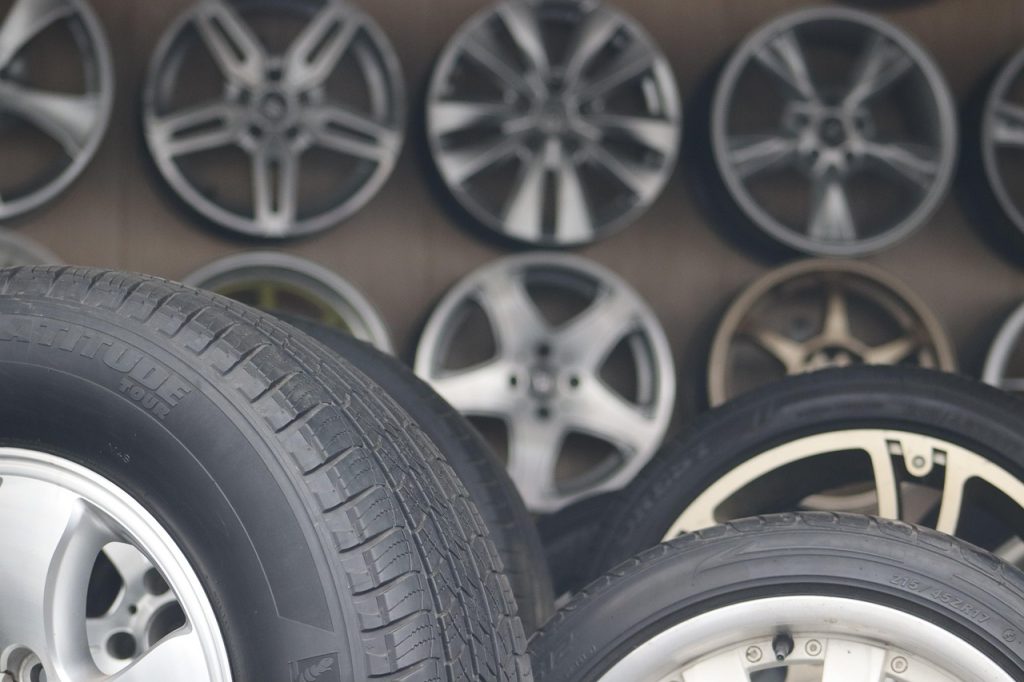
Tire inventory can represent a significant expense for tire dealers and automotive service businesses. Inventory financing can help eligible businesses explore funding for stocking the products they need.
Garage construction financing can help eligible automotive businesses explore funding for building, expanding, or improving their facilities.
Yes. Auto repair shop expansion may require additional space, equipment, inventory, or facility improvements. Auto Shop Lend helps businesses explore financing options for these types of growth projects.
Transmission shops have specialized equipment, tools, inventory, and operating needs. Auto Shop Lend provides financing-focused resources for automotive businesses looking for funding options.
Growing an automotive business often requires more than increased customer demand. Owners may need additional service bays, specialized equipment, inventory, employees, commercial property, or enough working capital to handle expenses while the business expands. Understanding financing options can help owners determine how to fund those investments without unnecessarily draining cash reserves.
For automotive businesses, Collision center expansion financing, tire dealer financing, diesel repair shop financing, mechanic shop operating capital, and garage building loans can address very different financial needs. The right approach depends on the project, the financial condition of the business, lender requirements, and the owner’s ability to repay the obligation.
This guide explains how these financing categories may be used, what owners should consider before borrowing, and how to create a realistic funding plan.
Automotive businesses can require significant investments throughout their operating lives. A collision center may need another paint booth. A tire dealer might need additional inventory before a busy season. A diesel facility could require expensive diagnostic equipment, while an independent mechanic may simply need additional liquidity to cover payroll and parts purchases.
Collision center expansion financing may help qualified businesses address the costs associated with increasing collision-repair capacity. Tire dealer financing can potentially support eligible inventory, equipment, or expansion expenses. Diesel repair shop financing may be useful when a commercial vehicle repair operation needs specialized machinery or additional capacity.
Meanwhile, mechanic shop operating capital focuses more directly on the money required to keep a business functioning, while garage building loans may be considered when an owner is planning a major construction or real-estate project.
Borrowing should always have a defined purpose. Financing can provide capital, but it cannot make an unprofitable project profitable.
Collision repair facilities can be expensive to expand because adding production capacity may involve much more than constructing another room.
Collision center expansion financing could potentially support eligible investments involving additional service bays, paint and refinishing areas, equipment, facility improvements, or related growth expenses.
Before expanding, owners should identify why their current operation cannot accommodate additional business. If technicians are consistently working at capacity and customers are waiting for appointments, physical expansion might address a legitimate constraint.
However, if existing bays regularly sit empty, constructing additional space may not solve the actual problem.
The bottleneck could instead be insufficient technicians, weak marketing, scheduling problems, or inadequate equipment.
Tire dealerships have a unique combination of inventory and equipment needs.
Tire dealer financing may provide qualified businesses with funding for eligible expenses such as inventory, tire-changing machines, wheel balancers, alignment systems, lifts, facility improvements, or other business investments.
Inventory planning deserves particular attention.
Unlike a service business that primarily sells labor, tire dealers may need substantial quantities of physical products available for customers. Carrying too little inventory can result in missed sales, while carrying excessive inventory can trap valuable cash in products that move slowly.
Owners should monitor inventory turnover and sales patterns before borrowing substantial amounts for additional stock.
Commercial diesel operations often need heavy-duty equipment capable of servicing trucks, buses, trailers, construction vehicles, and other large equipment.
Diesel repair shop financing may potentially support qualified businesses investing in equipment, property, expansion, or other eligible business needs.
The cost of equipment can be substantial. Heavy-duty lifts, diagnostic computers, tire equipment, welding systems, compressors, cranes, specialty tools, and service vehicles can all contribute to the capital required to operate the facility.
Before financing equipment, owners should determine how frequently it will be used and what economic benefit it is expected to generate.
Equipment that increases technician productivity or allows a shop to perform profitable work currently being outsourced may have a stronger financial justification than equipment purchased simply because it is available.
Not every financing need involves a major asset.
Mechanic shop operating capital can be important because an automotive business has ongoing expenses regardless of when customers pay their invoices.
Payroll, parts, utilities, insurance, rent, software, advertising, waste disposal, taxes, and equipment maintenance can create substantial cash requirements.
Working capital can provide a financial cushion, but owners should understand why additional liquidity is necessary. Using borrowed money to bridge predictable timing differences is different from continually borrowing to compensate for chronic operating losses.
Owners should investigate the underlying cause of repeated cash shortages before taking on additional debt.
Constructing or acquiring a commercial automotive facility is fundamentally different from financing several months of operating expenses.
Garage building loans may potentially be appropriate for qualified businesses purchasing, constructing, renovating, or improving commercial facilities, depending on the lender and financing program.
A building project should account for more than land and construction.
Owners may also encounter architectural expenses, engineering, permits, utility connections, environmental assessments, drainage requirements, paving, signage, security systems, office construction, equipment installation, and other costs.
A contingency reserve can also be important because construction expenses do not always match the original estimate.
Consider a hypothetical automotive company planning a $750,000 expansion. The following graph demonstrates one possible allocation.
Building/Facility Improvements   $300,000 | ██████████████████████████████
Shop Equipment                   $160,000 | ████████████████
Inventory                        $110,000 | ███████████
Working Capital                   $90,000 | █████████
Technology                        $50,000 | █████
Marketing/Launch $40,000 | ████| Project Category | Illustrative Amount | Share |
|---|---|---|
| Building/facility | $300,000 | 40.0% |
| Equipment | $160,000 | 21.3% |
| Inventory | $110,000 | 14.7% |
| Working capital | $90,000 | 12.0% |
| Technology | $50,000 | 6.7% |
| Marketing/launch | $40,000 | 5.3% |
| Total | $750,000 | 100% |
These numbers are illustrative only. They are not industry averages, lender requirements, recommended borrowing amounts, or promises of available financing.
Before seeking Collision center expansion financing, management should prepare realistic projections.
Start by determining current production capacity. How many vehicles can the facility process each month? How frequently are technicians waiting for bays? How much profitable work is being declined because the shop lacks space?
Then estimate the additional capacity an expansion would create.
The owner should calculate expected additional gross profit rather than focusing solely on projected sales. Additional revenue will also bring parts expenses, technician wages, insurance, utilities, supplies, and other costs.
A financially sound expansion should ideally produce enough additional cash flow to support those expenses and the proposed debt payments.
Businesses considering tire dealer financing should examine historical sales before increasing inventory.
Tire demand varies by vehicle type, size, geography, customer base, and season. Inventory that sells rapidly can support revenue, while slow-moving products consume storage space and working capital.
A dealer can analyze sales by SKU, manufacturer, tire size, gross margin, and turnover.
The objective is not necessarily to carry the largest inventory possible. It is to maintain an appropriate product mix while protecting liquidity.
Financing should support an inventory strategy rather than replace one.
A shop researching diesel repair shop financing should create an equipment schedule identifying what will be purchased, its expected cost, and its intended use.
Owners should also consider installation and training expenses.
A $75,000 machine can cost substantially more once shipping, electrical upgrades, facility modifications, software, employee training, and maintenance are included.
The IRS notes that businesses should maintain records regarding assets such as machinery, including acquisition information, purchase price, improvements, depreciation deductions, and eventual disposition.
IRS guidance on records for business assets
Businesses considering mechanic shop operating capital should first build a cash-flow forecast.
The forecast should identify expected cash coming into the business and expenses leaving it each week or month.
This can reveal whether the business has temporary cash-flow gaps or a larger profitability problem.
The IRS notes that accurate records help businesses monitor progress and prepare financial statements such as income statements and balance sheets, which can also be useful when dealing with banks and creditors.
IRS small-business recordkeeping guidance
Good bookkeeping cannot guarantee financing approval, but it can provide both owners and potential financing providers with a clearer understanding of business performance.
Owners investigating garage building loans should develop a comprehensive construction budget before applying.
A realistic plan could include land acquisition, site preparation, construction, electrical service, plumbing, HVAC, vehicle lifts, compressors, parking areas, signage, offices, customer waiting areas, and technology infrastructure.
Automotive properties can also present specialized considerations that an ordinary retail property does not.
Professional contractors, architects, attorneys, accountants, environmental professionals, and commercial real-estate advisers may be appropriate depending on the project.
The SBA 7(a) program is one potential option worth researching for eligible automotive businesses. The SBA currently states that 7(a) proceeds can be used for purposes including acquiring or improving real estate and buildings, short- and long-term working capital, machinery and equipment, supplies, refinancing certain business debt, and complete or partial changes of ownership. The maximum amount for an individual 7(a) loan is $5 million.
U.S. Small Business Administration 7(a) program
That flexibility means the program may be worth investigating alongside conventional financing when businesses are considering Collision center expansion financing, tire dealer financing, diesel repair shop financing, mechanic shop operating capital, or garage building loans.
Importantly, SBA does not ordinarily make 7(a) loans directly to small-business borrowers. Participating lenders provide the loans, with the SBA providing a government guarantee. Eligibility and approval still depend on applicable program and lender requirements.
Owners should compare financing offers based on the complete cost and structure rather than simply looking for the lowest monthly payment.
Relevant considerations can include the interest rate, fees, repayment term, payment frequency, collateral requirements, guarantees, prepayment provisions, and total repayment.
For Collision center expansion financing, a longer repayment structure may be appropriate for a long-lived facility improvement, depending on the available product.
The same logic applies to tire dealer financing. Financing a long-lived piece of equipment and financing rapidly selling inventory are different transactions and may justify different structures.
Owners should attempt to match the financing structure to the asset or business purpose whenever practical.
With diesel repair shop financing, the expected useful life of equipment deserves careful consideration.
A durable asset expected to remain productive for years is different from a short-term operating expense.
The IRS explains that most qualifying tangible business property other than land—including buildings, machinery, vehicles, furniture, and equipment—can potentially be depreciated when applicable requirements are met.
IRS Publication 946: How to Depreciate Property
Tax treatment varies by asset and taxpayer, so business owners should obtain professional tax advice rather than assuming a particular deduction applies.
Before accepting mechanic shop operating capital, owners should decide precisely how the money will be deployed.
A shop might need additional liquidity to purchase parts for a major fleet contract, hire technicians ahead of an expansion, support seasonal inventory, or bridge the timing between completing commercial work and receiving payment.
Those are identifiable business needs.
Repeatedly borrowing to make payroll because the shop consistently operates at a loss is a different situation. Additional financing could merely postpone the underlying problem while increasing debt.
Understanding the distinction is essential.
Businesses considering garage building loans should stress-test their budgets.
What happens if construction costs are 10% higher than expected? What if the project opens several months late? What if equipment installation costs more than estimated?
Owners should also consider what happens after construction ends.
A new facility may require additional employees, inventory, insurance, marketing, utilities, and equipment before it reaches its intended production level.
The building itself is only part of the investment.
One useful way to think about automotive financing is to separate long-term assets from short-term operating needs.
A collision center expansion or new garage building can create assets with useful lives measured in years. Inventory and operating expenses turn over much faster.
When evaluating Collision center expansion financing, owners should therefore consider whether the proposed repayment period aligns with the expected benefit of the expansion.
With tire dealer financing, the analysis may differ depending on whether the money purchases durable equipment or tire inventory.
Likewise, diesel repair shop financing used for heavy equipment should be evaluated differently from financing used for ordinary shop expenses.
Separating these purposes can make financial planning clearer.
Owners using mechanic shop operating capital should establish measurable objectives.
For example, management might determine that the business needs enough liquidity to cover a specified period of payroll, rent, utilities, insurance, and critical supplier obligations.
That provides a more defensible target than simply borrowing the maximum amount offered.
Owners should continue monitoring cash after financing is received. If the reserve continually declines without recovering, management should investigate why.
Before pursuing garage building loans, businesses should compare owning commercial property with leasing.
Ownership can provide long-term control of a location and the potential to build equity, but it can also require a significant financial commitment.
Leasing may require less upfront capital and provide flexibility, although the business does not own the property.
There is no universal answer.
The decision can depend on local property prices, available facilities, anticipated growth, financing terms, how specialized the building must be, and how long the business expects to remain at the location.
Financial preparation can improve an owner’s understanding of what the business can reasonably afford.
A collision center considering Collision center expansion financing should organize historical financial statements and expansion projections. A business researching tire dealer financing should understand inventory turnover and margins.
Likewise, an owner seeking diesel repair shop financing should document the cost and purpose of planned equipment, while an applicant needing mechanic shop operating capital should have a clear picture of monthly cash requirements.
Businesses pursuing garage building loans should prepare detailed project budgets and supporting construction or property documentation.
Requirements vary significantly among financing providers, so applicants should verify exactly what a particular lender requires.
Good records are important long before a business applies for financing.
The IRS recommends maintaining documentation for income, expenses, payroll, purchases, inventory, and business assets. It also notes that records can help owners prepare financial statements and monitor how their businesses are performing.
For automotive companies, that may include sales records, repair orders, payroll reports, parts purchases, equipment invoices, bank statements, tax records, and debt information.
Accurate records allow owners to make decisions using actual performance instead of assumptions.
Owners can use internal resources to research financing categories before comparing actual lender offers. Remember that advertised information does not constitute a financing approval, and actual terms depend on the provider and applicant.
Automotive businesses can have very different capital requirements, which is why financing should be matched carefully to the project.
Collision center expansion financing may help qualified collision businesses increase capacity, but expansion should be supported by demonstrated demand. Tire dealer financing can potentially address inventory, equipment, and other eligible needs, but dealers should monitor inventory turnover carefully.
Diesel repair shop financing may support substantial equipment and facility investments, making careful equipment planning especially important. Mechanic shop operating capital can help address legitimate short-term liquidity needs, but it should not be viewed as a permanent substitute for profitability. Finally, garage building loans may support major property and construction projects when owners have realistic budgets and repayment plans.
Whatever the financing purpose, owners should compare multiple options, review the complete cost of borrowing, maintain accurate records, and make decisions based on conservative financial projections rather than best-case assumptions.