
GARAGE EQUIPMENT FINANCING IS AVAILABLE
AUTO REPAIR FINANCING MATCHING SERVICE
Get matched with lenders that specialize
in auto shop financing
- Soft credit pull
- No cost to you
- Private & secure
Soft Credit Pull
No Cost to You
Industry Specialists
One Application
Loan Programs
Financing for every shop need
Affiliate Disclosure: We are an affiliate marketing website and may receive compensation from lending partners. We are not a lender, do not make credit decisions, and do not guarantee approval. Loan terms and rates are determined by individual lenders.
Equipment Financing
Working Capital
Shop Build-Out & Expansion
Acquisition Loans
Fast Cash Advances
Commercial Real Estate
How It Works
A simple, confidential four-step
process
Apply once. We connect you with specialty lenders. You compare offers privately. You decide.
Tell Us About Your Shop
Get Matched
Compare Offers
Fund & Get Back to Work
Estimate Your Monthly Payment
Move the sliders to see how loan amount, term, and rate shape your monthly cost. Illustrative estimates only — your actual offer depends on your matched lender.
Rate slider is for illustration only. Actual rates vary by shop type, time in business, monthly revenue, lender, and credit profile.
Illustrative estimates only. Not an offer of credit. Actual terms determined by lender.
Who We Serve
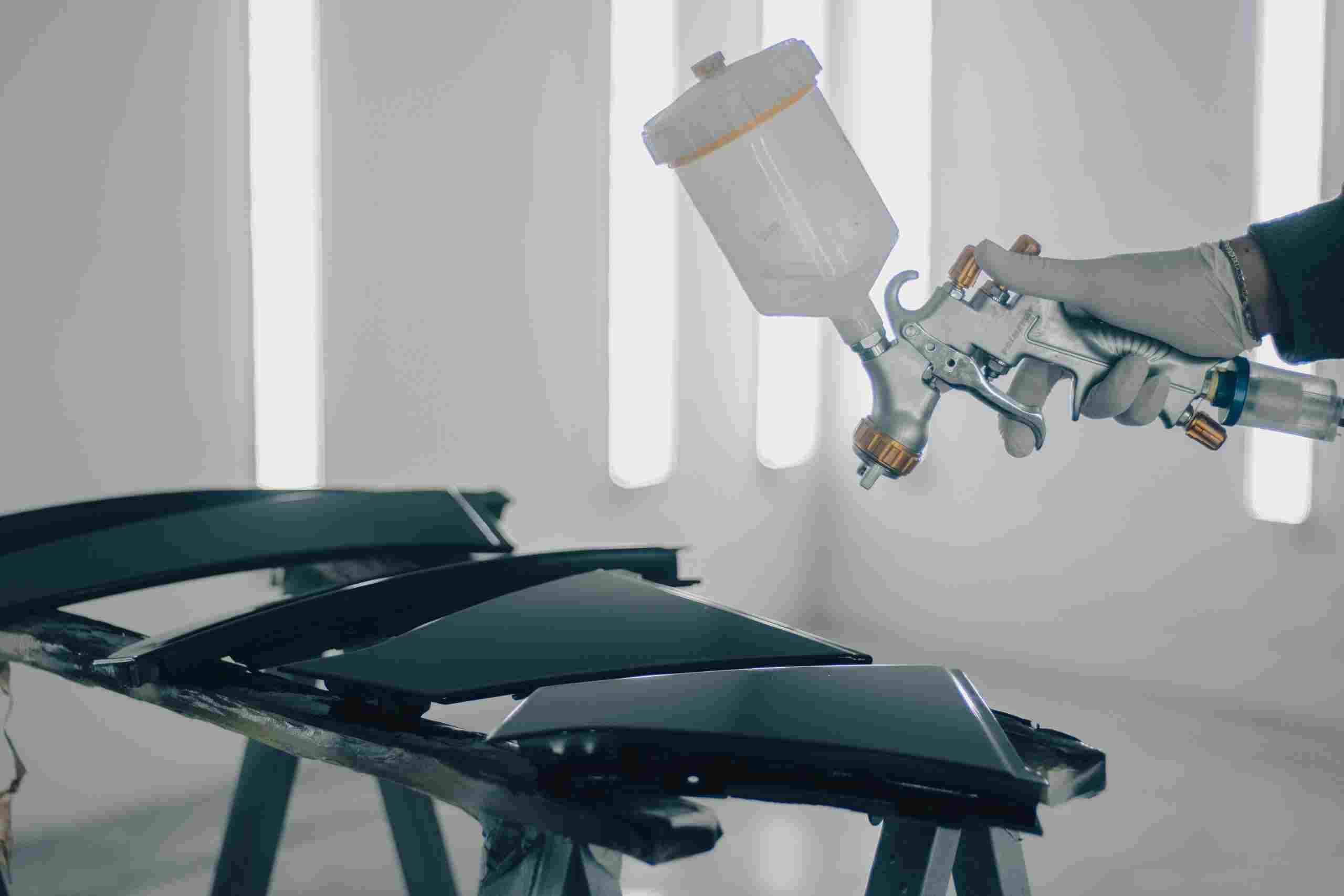
Financing for every shop type
General Auto Repair
Body & Collision
Tire Shops
Quick Lube
Transmission
Auto Detailing
Fleet Service
Multi-Location
A lending network built for
auto shops
Shop-Specific Underwriting
One Profile, Multiple Offers
No Cost. No Commitment.
Confidential & Discreet
Ready to grow your shop?
Body Shop Technology Financing: A Complete Guide to Modern Collision Repair Investments
The collision repair industry has changed dramatically over the last two decades. Today’s body shops are no longer simply replacing bumpers and applying paint. Modern vehicles contain advanced driver assistance systems (ADAS), dozens of onboard computers, cameras, radar sensors, and sophisticated safety technologies that require specialized equipment to diagnose, repair, and recalibrate properly.
As a result, many collision repair businesses are making substantial investments in technology. These upgrades often cost hundreds of thousands of dollars, creating the need for body shop technology financing. Whether you own a small independent repair center or a multi-location collision repair operation, understanding how technology financing works can help you remain competitive while preserving working capital.
What Is Body Shop Technology Financing?
Body shop technology financing is a funding solution designed specifically to help collision repair facilities acquire advanced equipment, software, and technology without paying the entire cost upfront.
Rather than spending large amounts of cash on new systems, a repair facility can spread payments over several years while immediately benefiting from upgraded capabilities.
Technology financing can cover:
- Frame measuring systems
- Paint matching equipment
- ADAS calibration systems
- Vehicle diagnostic scanners
- Digital estimating platforms
- Shop management software
- Welding systems
- Alignment equipment
- Paint booth technology
- Robotics and automation systems
Many businesses utilize body shop technology financing to improve productivity while maintaining healthy cash flow.
Why Technology Matters More Than Ever
Modern vehicles are significantly more complex than vehicles produced just ten years ago.
Today’s cars often contain:
- Blind spot monitoring
- Adaptive cruise control
- Lane departure systems
- Collision avoidance systems
- Parking sensors
- Multiple cameras
- Radar units
- LiDAR technologies
After an accident, these systems often require recalibration.
Without the proper equipment, repair facilities risk:
- Liability exposure
- Customer dissatisfaction
- Insurance claim disputes
- Safety concerns
- Lost business opportunities
This is one reason why body shop technology financing has become increasingly popular among collision repair operators.
Common Technology Investments
ADAS Calibration Equipment
One of the fastest-growing investments involves ADAS calibration.
Many vehicles now require calibration after:
- Windshield replacement
- Suspension repairs
- Collision damage
- Alignment work
Estimated costs:
| Equipment | Cost Range |
|---|---|
| Static Calibration Systems | $15,000 – $60,000 |
| Dynamic Calibration Systems | $20,000 – $100,000 |
| Target Systems | $5,000 – $50,000 |
Digital Measuring Systems
Frame measurement systems help verify structural repairs.
Cost estimates:
- Entry-level systems: $15,000-$30,000
- Mid-range systems: $30,000-$75,000
- Advanced systems: $75,000-$200,000+
Paint Matching Technology
Modern paint systems use computerized color matching.
Typical investments include:
- Spectrophotometers
- Mixing systems
- Color software
- Digital scales
Costs often range from:
$10,000 to $100,000+
Diagnostic Scanning Equipment
Collision centers increasingly rely on OEM-level diagnostic tools.
Common costs:
| Scanner Type | Estimated Cost |
| Basic Scanner | $2,000-$5,000 |
| Professional Scanner | $5,000-$25,000 |
| OEM Platform | $10,000-$50,000+ |
How Insurance Companies Drive Technology Adoption
Insurance carriers increasingly require:
- Electronic estimates
- Digital documentation
- Calibration verification
- Repair procedure compliance
- Before-and-after scans
Facilities that lack modern equipment may struggle to participate in direct repair programs.
As a result, many shops view body shop technology financing as a necessity rather than a luxury.
The Cost of Opening a High-Tech Collision Center
A modern body shop may require:
| Category | Estimated Cost |
| Building Improvements | $100,000-$1,000,000 |
| Paint Booths | $50,000-$500,000 |
| Frame Equipment | $25,000-$250,000 |
| ADAS Systems | $25,000-$150,000 |
| Diagnostic Tools | $10,000-$100,000 |
| Software | $5,000-$50,000 |
| Working Capital | $50,000-$500,000 |
Total startup costs can easily exceed:
$500,000 to $3 million+
Estimated Technology Investment Breakdown
Financing Structures Available
Several financing options exist for collision repair businesses.
Equipment Loans
Equipment loans typically provide:
- Fixed monthly payments
- Terms from 2 to 7 years
- Ownership at completion
Equipment Leasing
Leasing may offer:
- Lower monthly payments
- Flexible upgrades
- Potential tax advantages
SBA Financing
The U.S. Small Business Administration offers programs that can support larger projects involving equipment and facility improvements.
Working Capital Financing
Working capital can help cover:
- Labor expenses
- Software subscriptions
- Training programs
- Inventory purchases
Relationship to Garage Equipment Financing
Collision repair facilities often require more than technology alone.
Many shops also invest in:
- Vehicle lifts
- Compressors
- Tire equipment
- Alignment racks
- Welding systems
These purchases frequently fall under Garage equipment financing, allowing owners to build a complete repair operation while preserving liquidity.
As technology grows more advanced, Garage equipment financing often complements larger equipment acquisition strategies.
Facility Expansion and Real Estate Ownership
Many successful collision centers eventually outgrow leased space.
Expansion projects may involve:
- Additional repair bays
- Larger paint facilities
- Customer waiting areas
- Storage buildings
- Training centers
Some owners purchase commercial real estate through repair facility purchase loans.
Benefits include:
- Equity accumulation
- Fixed occupancy costs
- Long-term appreciation
- Greater operational control
Many expanding businesses use repair facility purchase loans when transitioning from leased properties to owner-occupied facilities.
In larger markets, repair facility purchase loans can also support acquisitions of competing repair centers.
For growing collision businesses, repair facility purchase loans often become a critical component of expansion planning.
Managing Existing Vehicle Assets
Many repair facilities operate service vehicles and mobile repair units.
These fleets require:
- Routine maintenance
- Tire replacement
- Fuel management
- Mechanical repairs
Operators frequently utilize fleet maintenance financing to manage ongoing maintenance costs.
Benefits include:
- Predictable budgeting
- Reduced downtime
- Improved cash flow
As fleets expand, fleet maintenance financing can become increasingly valuable.
Larger operations often combine fleet maintenance financing with technology investments to maintain efficiency across multiple locations.
For businesses operating several mobile units, fleet maintenance financing can help support consistent service quality.
Preparing for the Electric Vehicle Future
Electric vehicles are rapidly becoming more common.
Major manufacturers continue increasing EV production.
Repairing EVs requires specialized capabilities including:
- Battery diagnostics
- High-voltage safety equipment
- Specialized lifts
- Thermal monitoring systems
- Charging infrastructure
Many facilities are turning to EV repair shop financing to prepare for future demand.
EV Technology Requirements
Common EV-related investments include:
| Equipment | Cost Range |
| Charging Stations | $10,000-$250,000 |
| Battery Diagnostic Equipment | $10,000-$100,000 |
| High Voltage Tools | $5,000-$50,000 |
| Technician Training | $2,000-$20,000 |
Because these costs can be substantial, EV repair shop financing provides an attractive solution.
Forward-looking operators frequently utilize EV repair shop financing to establish competitive advantages.
As EV adoption continues increasing, EV repair shop financing may become one of the most important funding tools available to collision repair businesses.
Training and Certification Costs
Technology is only effective when technicians understand how to use it.
Training investments often include:
- OEM certifications
- I-CAR programs
- ADAS certification
- EV safety training
- Diagnostic education
Annual training budgets can range from:
$5,000 to $100,000+
depending on shop size.
Common Technology Financing Mistakes
Buying Too Cheap
Low-cost equipment often lacks OEM approval.
Ignoring Future Compatibility
Technology should support future vehicle generations.
Underestimating Training Costs
Training is frequently overlooked during budgeting.
Delaying Upgrades
Waiting too long can result in lost insurance relationships.
Failing to Plan for EV Growth
Many facilities underestimate the impact of electric vehicle adoption.
Internal Links
Consider linking internally to:
- Garage Equipment Financing
- Fleet Maintenance Financing
- EV Repair Shop Financing
- Repair Facility Purchase Loans
- Commercial Auto Repair Financing
External Resources
Helpful resources include:
- I-CAR
- U.S. Small Business Administration (SBA)
- Occupational Safety and Health Administration (OSHA)
- National Institute for Automotive Service Excellence (ASE)
Final Thoughts
The modern collision repair industry depends on advanced technology more than ever before. From ADAS calibration systems and digital diagnostics to paint-matching software and electric vehicle repair tools, technology investments are becoming essential for long-term success. Businesses that invest strategically often improve repair quality, increase insurance partnerships, reduce liability, and create new revenue opportunities.
Whether combined with Garage equipment financing, supported by fleet maintenance financing, expanded through repair facility purchase loans, or enhanced using EV repair shop financing, technology investments can position a collision repair business for sustainable growth. For many operators, body shop technology financing provides the bridge between today’s operational needs and tomorrow’s competitive advantages.
Garage Equipment Financing for Transmission Repair Shops: A Complete Guide to Building and Expanding a Profitable Transmission Business
Transmission repair is one of the most specialized and equipment-intensive segments of the automotive repair industry. Unlike general repair facilities that perform oil changes, brakes, and routine maintenance, transmission shops require highly specialized tools, diagnostic systems, lifts, rebuilding equipment, and trained technicians capable of handling increasingly complex drivetrains.
As transmission technology continues evolving with 8-speed, 10-speed, continuously variable transmissions (CVTs), hybrid drivetrains, and electric vehicles, repair facilities face growing pressure to invest in advanced equipment. These investments often require substantial capital, making Garage equipment financing an essential growth tool for many transmission repair businesses.
This guide explores everything transmission shop owners need to know about financing equipment, managing growth, purchasing facilities, adapting to new technology, and preparing for the future of vehicle repair.
Understanding Garage Equipment Financing
Garage equipment financing allows automotive repair facilities to acquire necessary equipment without paying the entire cost upfront.
Instead of spending hundreds of thousands of dollars in cash, shop owners can spread costs over several years while immediately utilizing the equipment to generate revenue.
Common financing structures include:
- Equipment loans
- Equipment leases
- SBA-backed financing
- Working capital loans
- Commercial equipment lines of credit
For transmission specialists, Garage equipment financing often becomes a critical part of both startup planning and long-term expansion strategies.
Why Transmission Shops Require Specialized Equipment
Modern transmissions are significantly more complicated than those found in vehicles twenty years ago.
Today’s repair facilities routinely encounter:
- 8-speed automatic transmissions
- 10-speed automatic transmissions
- Dual-clutch transmissions
- CVT systems
- Hybrid drivetrains
- Electric drive units
- All-wheel-drive systems
Repairing these systems requires far more than hand tools.
Specialized equipment is necessary for:
- Diagnostics
- Disassembly
- Cleaning
- Rebuilding
- Testing
- Programming
This growing complexity continues driving demand for Garage equipment financing throughout the automotive service industry.
Starting a Transmission Shop
A startup transmission shop typically requires:
| Category | Estimated Cost |
|---|---|
| Building Lease Deposit | $5,000-$50,000 |
| Renovations | $10,000-$250,000 |
| Equipment | $75,000-$500,000 |
| Inventory | $25,000-$150,000 |
| Software | $5,000-$50,000 |
| Working Capital | $50,000-$250,000 |
Total startup costs often range between:
$200,000 and $1 million+
depending on location and business model.
Essential Equipment for a Transmission Repair Facility
Vehicle Lifts
Lifts are among the most important investments.
Common lift types include:
- Two-post lifts
- Four-post lifts
- Heavy-duty lifts
- Alignment lifts
Typical costs:
$5,000 to $25,000 per lift
A six-bay transmission facility may invest over $100,000 in lifting equipment alone.
Transmission Jacks
Transmission removals require specialized lifting systems.
Costs generally range from:
$500 to $5,000 per unit
Diagnostic Equipment
Modern transmissions rely heavily on computer controls.
Shops frequently purchase:
- OEM scan tools
- Programming systems
- Diagnostic software
- Reflash equipment
Investment range:
$5,000 to $100,000+
Transmission Dynos
Some advanced facilities install dynamometers capable of testing rebuilt transmissions.
Typical costs:
$25,000 to $150,000+
Cleaning Equipment
Transmission rebuilding requires meticulous cleaning.
Common systems include:
- Parts washers
- Ultrasonic cleaners
- Solvent tanks
- Drying systems
Costs may range from:
$2,000 to $50,000
Sample Equipment Budget
| Equipment | Estimated Cost |
| Vehicle Lifts | $120,000 |
| Diagnostics | $60,000 |
| Transmission Jacks | $10,000 |
| Parts Cleaning | $20,000 |
| Air Compressors | $15,000 |
| Shop Tools | $50,000 |
| Software | $25,000 |
Total Equipment Investment:
$300,000
Typical Transmission Shop Equipment Allocation
Transmission Lifts $120,000
Diagnostics $60,000
Shop Tools $50,000
Software $25,000
Cleaning Equipment $20,000
Air Compressors $15,000
Transmission Jacks $10,000
The Role of Technology in Modern Transmission Repair
Transmission repair increasingly relies on technology.
Modern vehicles require:
- Computer diagnostics
- Software updates
- Module programming
- Adaptive learning resets
- Electronic calibration
These technologies create overlap with body shop technology financing because many software platforms, scanning systems, and calibration tools serve both industries.
Advanced repair centers often use body shop technology financing to acquire diagnostic platforms that support multiple service departments.
How Much Revenue Can a Transmission Shop Generate?
Transmission repairs are among the highest-ticket services in automotive repair.
Common repair values:
| Service | Average Ticket |
| Fluid Service | $200-$500 |
| Minor Repair | $500-$2,000 |
| Valve Body Repair | $1,500-$4,000 |
| Transmission Replacement | $3,000-$10,000 |
| Full Rebuild | $4,000-$12,000 |
A six-bay transmission shop may generate:
$1 million to $5 million annually
depending on location and volume.
Staffing Requirements
A medium-sized transmission shop may employ:
- 4-8 technicians
- 1 service advisor
- 1 manager
- 1 office administrator
Annual payroll often ranges from:
$300,000 to $1 million+
Purchasing a Commercial Facility
Many transmission shop owners eventually purchase their own property.
Benefits include:
- Fixed occupancy costs
- Property appreciation
- Equity accumulation
- Expansion flexibility
Facilities commonly include:
- Multiple repair bays
- Warehouse space
- Customer waiting areas
- Parking lots
- Storage facilities
These purchases are frequently funded using repair facility purchase loans.
Understanding Repair Facility Purchase Loans
Repair facility purchase loans are designed to help business owners acquire commercial automotive properties.
Eligible property types include:
- Transmission shops
- Auto repair centers
- Fleet maintenance facilities
- Industrial buildings
- Mixed-use automotive properties
Many successful operators use repair facility purchase loans when transitioning from leased facilities to owner-occupied buildings.
Larger companies frequently utilize repair facility purchase loans to acquire additional locations and expand market share.
For long-term growth, repair facility purchase loans often provide both operational and financial advantages.
Fleet Customers Create New Opportunities
Many transmission repair facilities eventually service commercial fleets.
Potential clients include:
- Delivery companies
- Utility fleets
- Municipal vehicles
- Construction fleets
- Towing companies
Fleet customers create recurring repair opportunities but also generate ongoing maintenance demands.
Many operators leverage fleet maintenance financing solutions to support large commercial service contracts.
Fleet Maintenance Financing Benefits
Commercial fleet work often requires:
- Additional technicians
- Larger inventories
- Faster turnaround times
- Expanded equipment capacity
Businesses may utilize fleet maintenance financing to support:
- Parts purchases
- Labor expenses
- Service contracts
- Working capital needs
As fleet accounts grow, fleet maintenance financing can help smooth cash flow and improve operational stability.
Larger commercial operations frequently combine fleet maintenance financing with facility expansion initiatives.
Electric Vehicles and Transmission Shops
Electric vehicles are changing the automotive landscape.
While EVs do not contain traditional automatic transmissions, they do utilize:
- Reduction gear systems
- Electric drive units
- Hybrid transaxles
- Integrated power systems
Repair facilities must adapt to these technologies.
This shift has increased demand for EV repair shop financing across the automotive service sector.
Equipment Needed for EV Repairs
Common EV-related investments include:
| Equipment | Estimated Cost |
| High Voltage Tools | $5,000-$50,000 |
| Battery Diagnostic Equipment | $10,000-$100,000 |
| Charging Stations | $10,000-$250,000 |
| Safety Equipment | $2,000-$20,000 |
| Technician Training | $2,000-$25,000 |
These upgrades frequently qualify under EV repair shop financing programs.
Forward-thinking operators often use EV repair shop financing to position their businesses for future vehicle technologies.
As EV adoption increases, EV repair shop financing may become one of the most important funding tools available to transmission specialists.
Combining Multiple Financing Strategies
Many successful transmission facilities utilize multiple financing solutions simultaneously.
Examples include:
- Garage equipment financing for lifts and diagnostics
- body shop technology financing for advanced scanning platforms
- repair facility purchase loans for commercial real estate
- fleet maintenance financing for commercial fleet contracts
- EV repair shop financing for electric vehicle upgrades
Using multiple financing sources often allows businesses to preserve cash while continuing to grow.
Common Mistakes to Avoid
Buying Cheap Equipment
Low-cost equipment often fails sooner and creates downtime.
Ignoring Technology
Vehicle systems continue becoming more computerized.
Underestimating Staffing Costs
Technician shortages remain a major challenge.
Leasing Forever
At some point ownership may become more cost-effective.
Waiting Too Long to Prepare for EVs
Electric vehicles continue gaining market share each year.
Internal Links
Consider linking internally to:
- Garage Equipment Financing
- Body Shop Technology Financing
- Fleet Maintenance Financing
- Repair Facility Purchase Loans
- EV Repair Shop Financing
External Resources
Useful resources include:
- National Institute for Automotive Service Excellence (ASE)
- Automotive Service Association (ASA)
- Occupational Safety and Health Administration (OSHA)
- U.S. Small Business Administration (SBA)
- Federal Motor Carrier Safety Administration (FMCSA)
Final Thoughts
Transmission repair remains one of the most specialized and profitable sectors within the automotive industry. However, success requires significant investment in equipment, technology, training, facilities, and future-ready repair capabilities. From lifts and diagnostic systems to software and electric vehicle tools, the capital requirements can be substantial.
Strategic use of Garage equipment financing, body shop technology financing, repair facility purchase loans, fleet maintenance financing, and EV repair shop financing can help transmission shop owners acquire the resources necessary to compete in an increasingly sophisticated marketplace. Businesses that invest in technology, infrastructure, and technician development today are often best positioned to thrive as vehicle technology continues evolving over the next decade.