
FLEET VEHICLE REPAIR FINANCING
AUTO REPAIR FINANCING MATCHING SERVICE
Get matched with lenders that specialize
in auto shop financing
- Soft credit pull
- No cost to you
- Private & secure
Soft Credit Pull
No Cost to You
Industry Specialists
One Application
Loan Programs
Financing for every shop need
Affiliate Disclosure: We are an affiliate marketing website and may receive compensation from lending partners. We are not a lender, do not make credit decisions, and do not guarantee approval. Loan terms and rates are determined by individual lenders.
Equipment Financing
Working Capital
Shop Build-Out & Expansion
Acquisition Loans
Fast Cash Advances
Commercial Real Estate
How It Works
A simple, confidential four-step
process
Apply once. We connect you with specialty lenders. You compare offers privately. You decide.
Tell Us About Your Shop
Get Matched
Compare Offers
Fund & Get Back to Work
Estimate Your Monthly Payment
Move the sliders to see how loan amount, term, and rate shape your monthly cost. Illustrative estimates only — your actual offer depends on your matched lender.
Rate slider is for illustration only. Actual rates vary by shop type, time in business, monthly revenue, lender, and credit profile.
Illustrative estimates only. Not an offer of credit. Actual terms determined by lender.
Who We Serve
Financing for every shop type
General Auto Repair
Body & Collision
Tire Shops
Quick Lube
Transmission
Auto Detailing
Fleet Service
Multi-Location
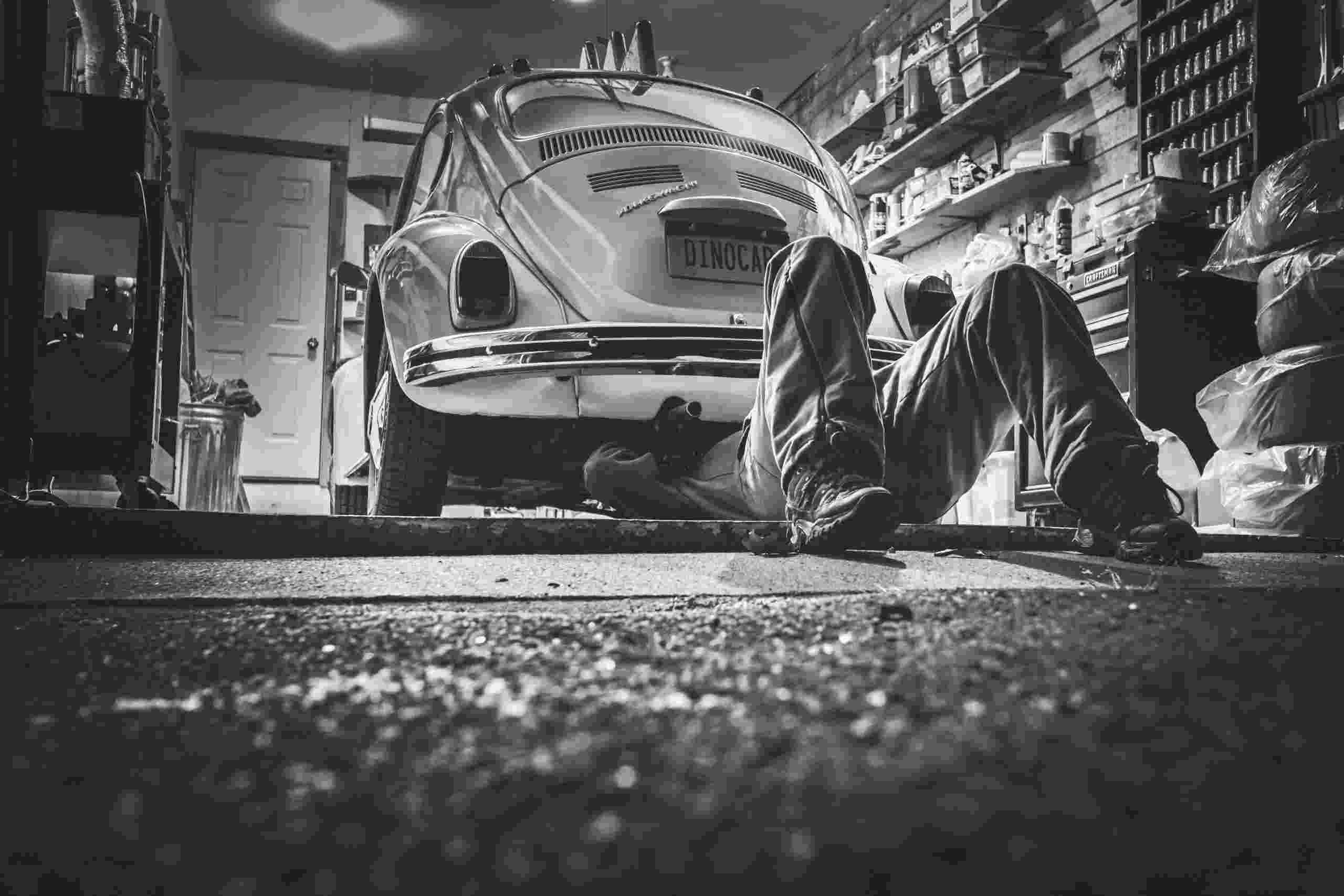
A lending network built for
auto shops
Shop-Specific Underwriting
One Profile, Multiple Offers
No Cost. No Commitment.
Confidential & Discreet
Ready to grow your shop?
Paint Booth Financing: Complete Guide to Costs, Equipment, Installation, and Return on Investment
For collision repair facilities, automotive restoration shops, custom vehicle builders, dealerships, and fleet repair operations, few pieces of equipment are more important than a professional paint booth. A properly designed paint booth improves paint quality, increases productivity, enhances safety, and helps shops meet environmental regulations.
Because paint booths are among the most expensive investments an automotive business can make, many owners utilize paint booth financing to spread costs over time while preserving working capital. Whether you’re considering a basic booth for a startup body shop or a state-of-the-art downdraft system for a large collision center, understanding the true costs involved is critical before making a purchase.
This guide covers everything you need to know about paint booths, including low-end and high-end pricing, installation costs, financing options, maintenance requirements, and profitability considerations.
Why Paint Booths Matter
Paint booths provide a controlled environment for vehicle refinishing.
Their primary purposes include:
- Controlling dust contamination
- Improving paint quality
- Enhancing technician safety
- Meeting environmental regulations
- Increasing production speed
- Improving customer satisfaction
Without a quality booth, achieving consistent paint finishes becomes extremely difficult.
For this reason, paint booth financing is one of the most common funding requests among collision repair businesses.
What Is a Paint Booth?
A paint booth is an enclosed workspace that controls airflow, temperature, humidity, and contaminants during the painting process.
Most systems include:
- Ventilation fans
- Filtration systems
- Lighting systems
- Heating units
- Air makeup systems
- Exhaust systems
- Fire suppression equipment
The sophistication of these components largely determines the overall cost.
Low-End Paint Booth Costs
Entry-level paint booths are commonly used by:
- Startup body shops
- Restoration garages
- Small independent repair facilities
Crossdraft Paint Booth
Cost:
$15,000 – $40,000
Features:
- Basic airflow design
- Lower installation costs
- Simpler operation
Advantages:
- Affordable
- Easier maintenance
- Suitable for lower production volume
Disadvantages:
- Less efficient airflow
- Increased overspray risk
- Lower productivity
Many small businesses use paint booth financing to purchase these systems while reserving cash for other equipment.
Mid-Level Paint Booth Costs
Mid-sized collision centers often choose:
Semi-Downdraft Booths
Cost:
$40,000 – $100,000
Features:
- Improved airflow control
- Better paint quality
- Faster drying times
Benefits:
- Higher throughput
- Better finish consistency
- Improved technician comfort
These systems are commonly found in growing body shops.
High-End Paint Booth Costs
Large collision centers and OEM-certified repair facilities frequently install:
Full Downdraft Booths
Cost:
$100,000 – $300,000+
Premium Downdraft Systems
Cost:
$300,000 – $750,000+
Features:
- Superior airflow
- Advanced heating systems
- Automated controls
- Energy-efficient operation
- Faster cycle times
High-end facilities often utilize paint booth financing because even profitable businesses prefer preserving liquidity rather than making large cash purchases.
Installation Costs
Many buyers focus only on booth pricing and overlook installation expenses.
Installation may include:
Concrete Work
Cost:
$5,000 – $50,000
Electrical Upgrades
Cost:
$10,000 – $100,000
Ventilation Systems
Cost:
$5,000 – $50,000
Permits and Inspections
Cost:
$1,000 – $20,000
Fire Suppression Systems
Cost:
$5,000 – $50,000
Installation costs can sometimes equal 50% or more of the booth purchase price.
Paint Booth Investment Comparison
Shop Sizes and Booth Requirements
Small Body Shop
Characteristics:
- 3–5 bays
- 3,000–6,000 square feet
- One booth
Typical booth investment:
$25,000 – $100,000
Medium Collision Center
Characteristics:
- 8–12 bays
- 8,000–15,000 square feet
- One or two booths
Investment:
$100,000 – $300,000
Large Collision Facility
Characteristics:
- 20+ bays
- Multiple paint teams
- Several booths
Investment:
$500,000 – $2 million+
Heating Systems
Paint booths often include curing systems.
Options include:
Direct-Fired Heat
Advantages:
- Faster curing
- Lower operating costs
Indirect-Fired Heat
Advantages:
- Cleaner airflow
- Improved temperature control
Heating systems significantly affect both productivity and operating expenses.
Environmental Regulations
Paint operations face substantial regulatory oversight.
Requirements may involve:
- Air quality compliance
- VOC management
- Hazardous waste disposal
- Worker safety standards
Failure to comply can result in:
- Fines
- Shutdowns
- Insurance complications
Owners should consult local authorities before installation.
Staffing Requirements
Paint departments generally require:
Small Shop
- 1 Painter
- 1 Prep Technician
Medium Shop
- 2–4 Painters
- 2–4 Prep Technicians
Large Shop
- Dedicated paint teams
- Production managers
- Quality control personnel
Labor efficiency often improves significantly after installing modern booths.
Fleet Repair Opportunities
Commercial fleets frequently require:
- Accident repairs
- Repainting
- Branding updates
Many fleet operators work with collision centers that have high-capacity paint operations.
Some repair facilities utilize Fleet vehicle repair financing to expand fleet-focused services alongside paint department growth.
Fleet work can provide steady, recurring revenue.
Facility Acquisition Considerations
Many shop owners purchase existing body shops rather than building from scratch.
An existing paint booth may significantly increase property value.
Buyers often seek loans for purchasing a repair facility when acquiring collision centers that already have paint operations installed.
This can reduce startup risk and shorten time to profitability.
EV Repair and Paint Operations
Electric vehicles continue to gain market share.
Body shops repairing EVs often require:
- High-voltage safety procedures
- Battery protection protocols
- Specialized technician education
Many collision centers invest in EV technician training financing to prepare employees for evolving repair requirements.
EV repairs frequently involve refinishing work, making paint departments an important part of the repair process.
Lift Requirements
Paint departments rely heavily on vehicle movement throughout the repair process.
Many facilities invest in:
- Two-post lifts
- Scissor lifts
- Mobile lift systems
Owners frequently utilize automotive lift financing when expanding collision operations because lifts improve productivity throughout the repair workflow.
Maintenance Costs
Paint booths require ongoing maintenance.
Common expenses include:
- Filter replacements
- Fan repairs
- Burner maintenance
- Lighting upgrades
- Control system servicing
Annual maintenance costs often range from:
$2,000 to $25,000+
Regular maintenance protects paint quality and reduces downtime.
Revenue Potential
Paint operations can generate significant revenue.
Example repair tickets:
| Service Type | Typical Revenue |
|---|---|
| Panel Repaint | $500 – $1,500 |
| Bumper Refinish | $750 – $2,000 |
| Collision Repair Paint Work | $2,000 – $10,000 |
| Complete Repaint | $5,000 – $25,000+ |
High-volume facilities often recover booth investments relatively quickly.
Internal Links
Suggested internal links for AutoShopLend.com:
- Fleet Vehicle Repair Financing
- Automotive Lift Financing
- Loans for Purchasing a Repair Facility
- EV Technician Training Financing
- Frame Machine Financing
- Collision Repair Equipment Financing
- Auto Shop Real Estate Financing
External Links
Helpful industry resources:
- I-CAR Training Organization
- Automotive Service Association (ASA)
- National Institute for Automotive Service Excellence (ASE)
- U.S. Environmental Protection Agency (EPA)
Final Thoughts
A paint booth is one of the most important investments a collision repair business can make. Costs can range from approximately $15,000 for an entry-level booth to well over $750,000 for premium downdraft systems, with installation costs potentially adding hundreds of thousands of dollars to the project.
Strategic use of paint booth financing allows businesses to acquire this critical equipment while maintaining healthy cash flow. As collision centers grow, they often combine paint department investments with Fleet vehicle repair financing for commercial accounts, automotive lift financing for workflow improvements, EV technician training financing for future-ready technicians, and loans for purchasing a repair facility to expand operations. Together, these financing solutions can help transform a small body shop into a highly profitable collision repair enterprise capable of serving customers for decades.
EV Technician Training Financing: Building an Electric Vehicle Training School from the Ground Up
The automotive industry is undergoing its largest transformation in more than a century. As electric vehicles become increasingly common, the demand for trained EV technicians continues to grow. Dealerships, repair shops, fleet operators, municipalities, and manufacturers are all competing for qualified technicians who understand high-voltage systems, battery diagnostics, charging infrastructure, and electric drivetrains.
For educational institutions, technical schools, community colleges, and private training centers, creating an EV technician training facility represents a significant opportunity. However, developing a modern EV training center requires substantial investment in facilities, equipment, curriculum development, instructor training, and safety systems. This is where EV technician training financing becomes an essential tool for schools seeking to prepare students for the future of transportation.
This guide explores everything required to build and operate a professional EV technician training school, from startup costs and facility requirements to equipment needs and long-term revenue opportunities.
Why EV Technician Training Is Needed
Traditional automotive technicians possess many transferable skills, but electric vehicles introduce entirely new systems and safety requirements.
EV technicians must understand:
- High-voltage battery systems
- Battery management systems
- Electric drive motors
- Inverters and converters
- Regenerative braking systems
- Charging systems
- Vehicle software diagnostics
- Thermal management systems
The shortage of qualified technicians has created tremendous demand for specialized training programs.
Because of this demand, many educational institutions are investing in EV technician training financing to build dedicated EV training facilities.
The Size of an EV Training Facility
A dedicated EV training center should generally occupy between 10,000 and 30,000 square feet depending on student enrollment.
Small Training Center
- 10,000 square feet
- 50 students annually
- 4 training bays
Medium Training Center
- 20,000 square feet
- 150 students annually
- 10 training bays
Large Regional Training Academy
- 30,000+ square feet
- 300+ students annually
- 20 training bays
The size of the facility directly impacts startup costs and financing requirements.
Facility Layout
A professional EV training school often includes:
Classroom Space
Used for:
- Electrical theory
- Battery technology
- Safety training
- Diagnostic procedures
Laboratory Space
Hands-on instruction for:
- Battery disassembly
- Electrical testing
- Component replacement
Vehicle Service Bays
Students learn:
- EV maintenance
- Diagnostics
- Repair procedures
Battery Storage Area
Dedicated space for:
- Battery packs
- Safety containment
- Thermal monitoring
Instructor Offices
Administrative and educational support functions.
Many schools utilize loans for purchasing a repair facility when converting existing automotive buildings into training centers.
Real Estate Requirements
A school can either:
- Lease a facility
- Purchase a facility
- Build a facility
Purchasing often provides:
- Long-term stability
- Asset appreciation
- Greater customization
Typical facility costs:
| Facility Type | Estimated Cost |
|---|---|
| Small | $500,000 – $2 Million |
| Medium | $2 Million – $5 Million |
| Large | $5 Million – $15 Million+ |
Many institutions rely on loans for purchasing a repair facility because acquiring an existing automotive facility is often less expensive than constructing a new building.
EV Vehicles for Training
Students need real vehicles for hands-on instruction.
Typical training fleet:
Small School
4–8 vehicles
Medium School
10–20 vehicles
Large Academy
20–50 vehicles
Popular training vehicles include:
- Tesla Model 3
- Chevrolet Bolt
- Ford Mustang Mach-E
- Hyundai Ioniq
- Nissan Leaf
Vehicle acquisition costs may range from:
$100,000 to over $2 million.
High-Voltage Safety Equipment
Safety is the most important component of any EV training program.
Required equipment includes:
Insulated Tools
Cost:
$2,000 – $15,000
High-Voltage Gloves
Cost:
$200 – $1,000 per set
Arc Flash Equipment
Cost:
$500 – $5,000
Lockout/Tagout Systems
Cost:
$500 – $10,000
Many schools include these expenses within their EV technician training financing package.
Diagnostic Equipment
Modern EV diagnostics require sophisticated tools.
Equipment often includes:
- OEM scan tools
- Battery analyzers
- Oscilloscopes
- Charging system analyzers
- Thermal imaging equipment
Diagnostic investments may range from:
$25,000 to $500,000.
Vehicle Lift Systems
Training facilities require multiple lifts.
Common lift types include:
Two-Post Lifts
Cost:
$5,000 – $10,000
Four-Post Lifts
Cost:
$10,000 – $25,000
Heavy-Duty EV Lifts
Cost:
$20,000 – $50,000
Many schools use automotive lift financing to equip training bays without exhausting available capital.
Battery Training Equipment
Battery systems represent the most expensive training category.
Required equipment may include:
Battery Lift Tables
Cost:
$10,000 – $30,000
Battery Storage Cabinets
Cost:
$5,000 – $25,000
Thermal Monitoring Systems
Cost:
$5,000 – $50,000
Battery Simulation Systems
Cost:
$20,000 – $100,000
These systems allow students to safely practice battery servicing procedures.
Paint and Body Training Opportunities
Many EV repair programs eventually expand into collision repair training.
Facilities may add:
- Structural repair programs
- Paint and refinishing instruction
- ADAS calibration training
As programs grow, schools often obtain paint booth financing to build complete collision repair training departments.
Paint booth investments may range from:
$50,000 to $500,000+.
Fleet Maintenance Training
Commercial fleets are rapidly adopting electric vehicles.
Examples include:
- Delivery companies
- Municipal fleets
- Transit authorities
- Utility companies
Schools that offer fleet-specific training may benefit from partnerships supported by Fleet vehicle repair financing programs available to fleet operators upgrading their service capabilities.
This creates internship and employment opportunities for graduates.
Instructor Requirements
Qualified instructors are among the most valuable assets in the program.
Instructors typically possess:
- ASE certifications
- EV manufacturer training
- High-voltage certifications
- Real-world repair experience
Annual instructor compensation may range from:
$60,000 to $150,000+.
Revenue Sources
An EV training school may generate revenue from:
Student Tuition
Primary revenue source.
Manufacturer Partnerships
Training contracts with manufacturers.
Corporate Training
Upskilling existing technicians.
Government Grants
Workforce development funding.
Fleet Training Contracts
Commercial training programs.
Diversified revenue streams improve long-term sustainability.
Estimated Startup Budget
| Category | Cost |
| Facility Purchase | $3,000,000 |
| Renovations | $500,000 |
| EV Vehicles | $750,000 |
| Diagnostic Equipment | $250,000 |
| Battery Equipment | $200,000 |
| Lift Systems | $150,000 |
| Classroom Technology | $100,000 |
| Working Capital | $500,000 |
| Total | $5,450,000 |
Startup Investment Allocation
A typical medium-sized EV training center may allocate funding approximately as follows:
- Facility Purchase: 55%
- Vehicle Fleet: 14%
- Equipment: 11%
- Renovations: 9%
- Working Capital: 9%
- Classroom Technology: 2%
Workforce Demand
Industry forecasts suggest technician shortages will continue for years.
Employers seeking EV technicians include:
- Dealerships
- Independent repair shops
- Fleet operators
- Municipal governments
- Manufacturers
- Utility companies
Many schools justify investments in EV technician training financing because demand for graduates remains exceptionally strong.
Internal Links
Suggested internal links for AutoShopLend.com:
- Fleet Vehicle Repair Financing
- Automotive Lift Financing
- Paint Booth Financing
- Loans for Purchasing a Repair Facility
- Vehicle Repair Shop Financing
- Auto Shop Real Estate Financing
- EV Service Center Financing
External Links
Helpful resources:
- ASE Education Foundation
- National Institute for Automotive Service Excellence (ASE)
- U.S. Department of Energy Alternative Fuels Data Center
- U.S. Small Business Administration (SBA)
Final Thoughts
Building an EV technician training school requires significant planning, capital, and industry expertise. However, the growing demand for qualified electric vehicle technicians creates a unique opportunity for educational institutions to become essential workforce development partners.
Strategic use of EV technician training financing allows schools to acquire facilities, vehicles, equipment, and educational resources needed to train the next generation of technicians. Many institutions complement these investments with automotive lift financing for training bays, paint booth financing for collision repair programs, Fleet vehicle repair financing partnerships for workforce placement opportunities, and loans for purchasing a repair facility when acquiring specialized automotive properties. Together, these investments can create a premier EV training center capable of serving students, employers, and the automotive industry for decades to come.